
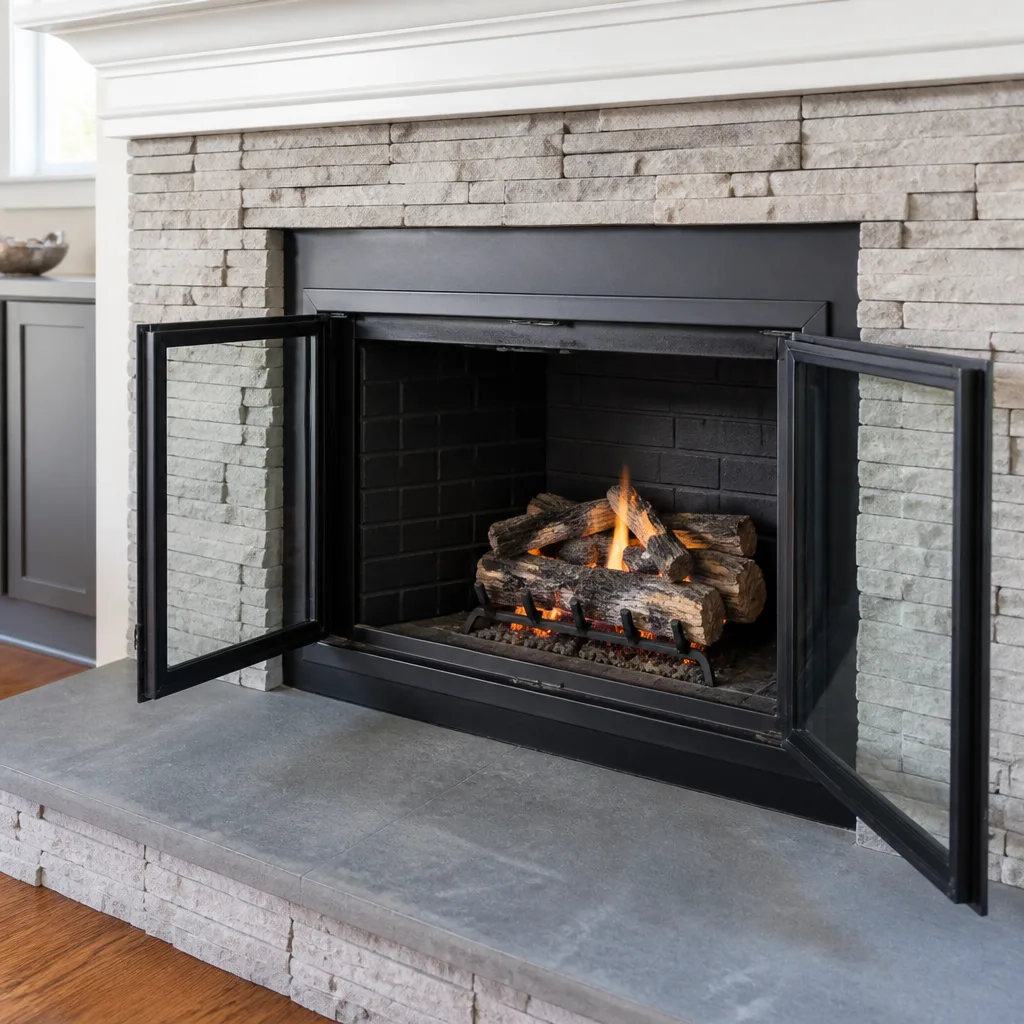
 Gas fireplace service
 Sweep & inspection
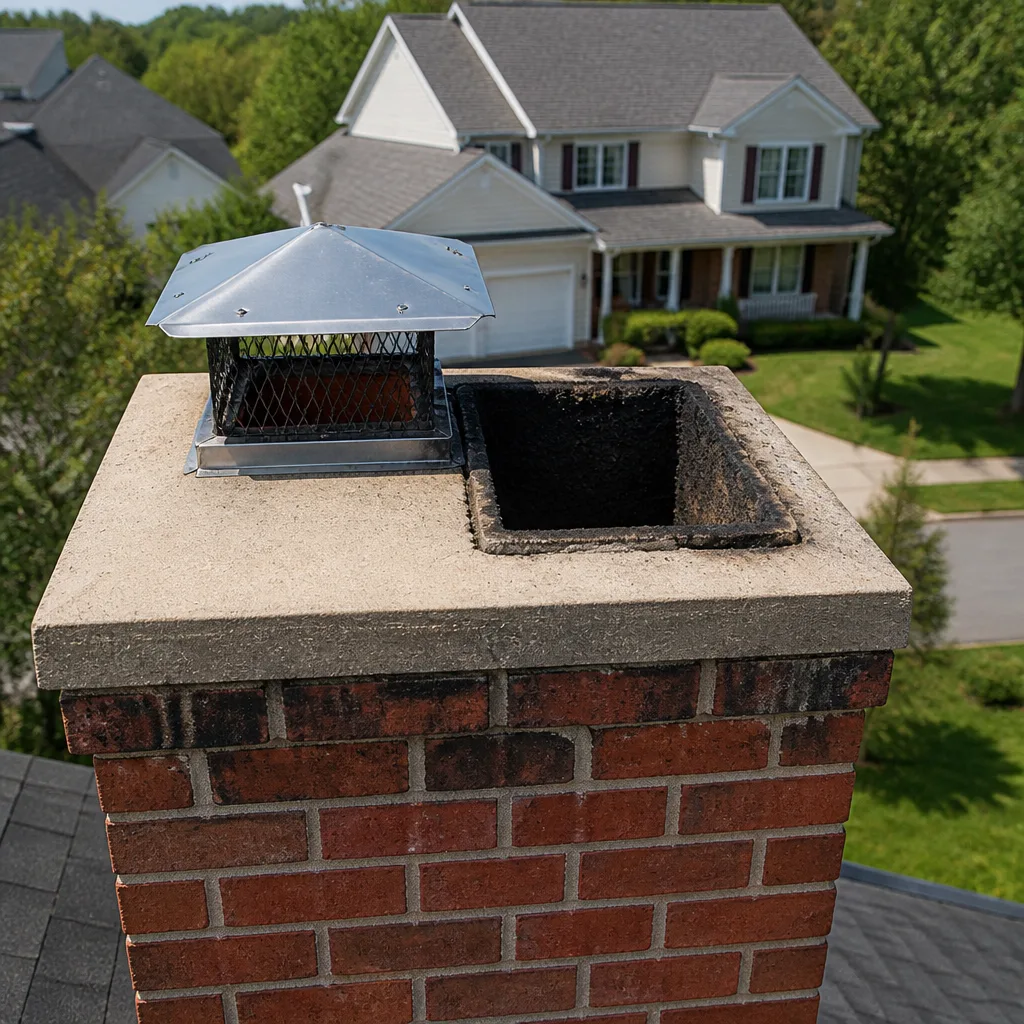
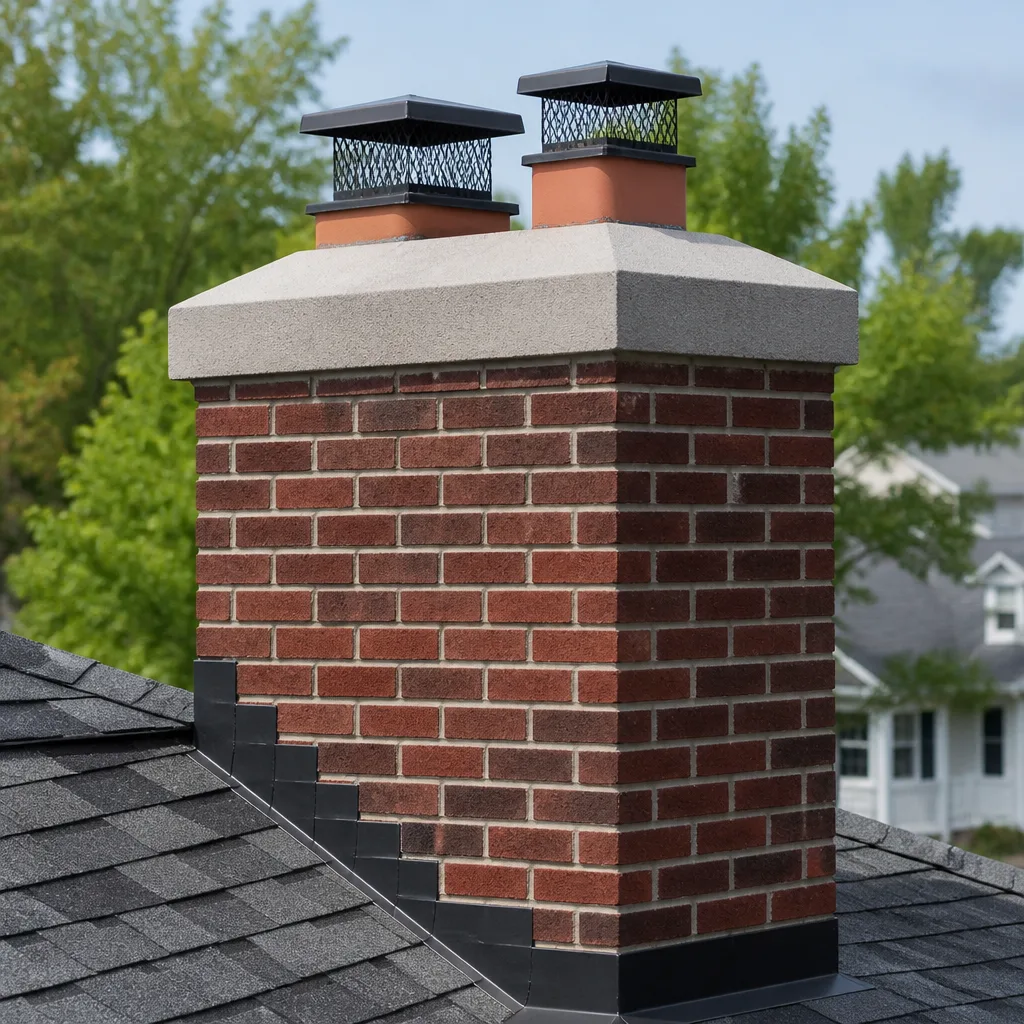 Caps & crowns
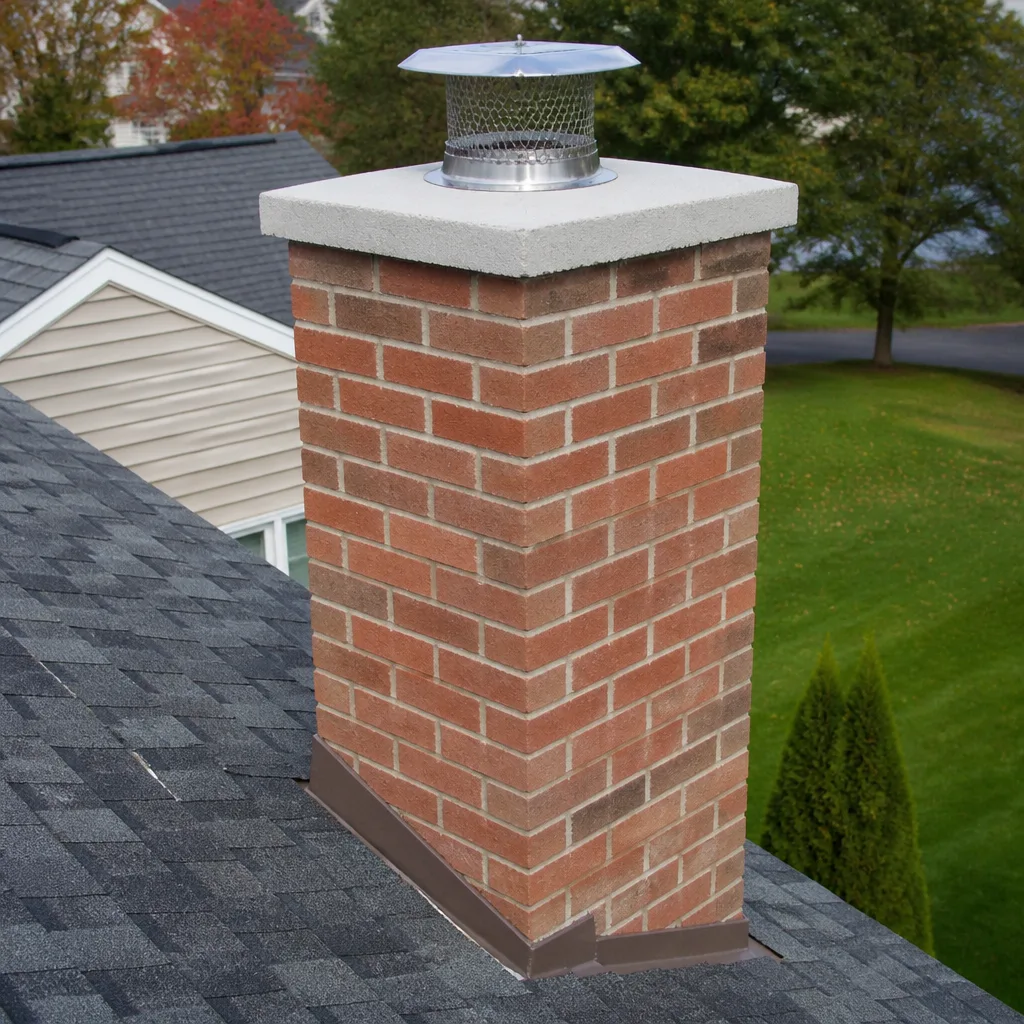 Flue relining
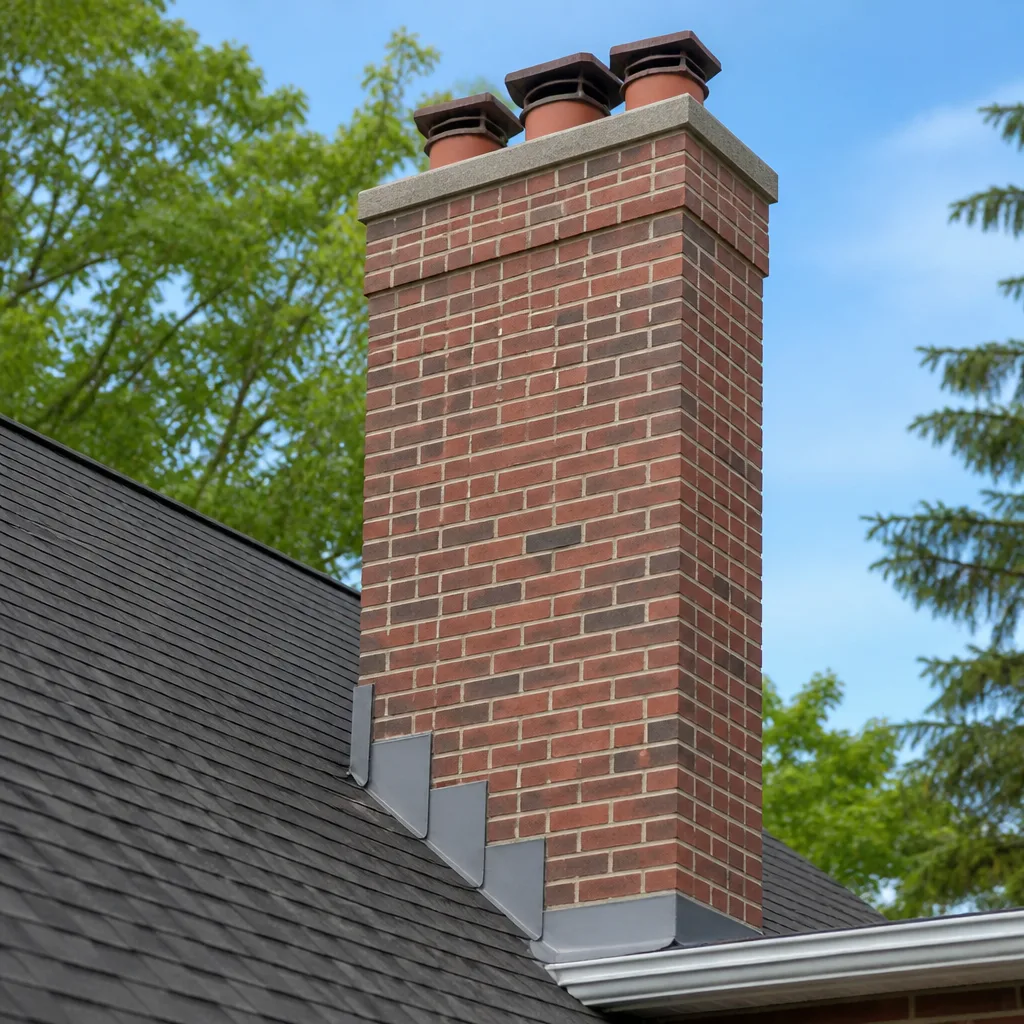 Masonry repair
Level 1 sweep and inspection to the NFPA 211 annual standard - flue, crown, cap, and flashing checked and photographed
Chimney sweep logs do not sweep chimneys. They loosen some creosote - which then falls where a brush and vacuum still have to collect it.
Why Boulder Homeowners Choose HeatShield Chimney Cleaning
We provide independent HeatShield chimney cleaning and service in Boulder, and we diagnose before we touch anything. HeatShield isn’t a cap or a cleaning chemical – it’s a cast-in-place refractory liner system, so our work starts by scoping the flue and reading the ceramic surface to see whether it needs a sweep, a recoat, or replacement. We evaluate the liner’s thickness, its bond to the masonry, and how the finished flue size is feeding draft.
We’re an independent HeatShield service provider. We’re not affiliated with, authorized by, or sponsored by HeatShield. That independence is deliberate: we sell you an honest read on what’s in your flue, not a factory script.
Our technicians have up to 15 years of experience reading heat-damaged masonry and refractory liners, and they work across Boulder’s older brick homes in Mapleton Hill, Whittier, and University Hill, along with the 1960s-80s ranches and split-levels on the edges of town. We inspect before we recommend, and every recommendation comes with camera evidence you can see for yourself. Call (877) 820-8761 for a free estimate.
Why Trust Boulder Chimney Sweep Pros for Your HeatShield Chimney Cleaning?
HeatShield work is material-system work, not bolt-on hardware. A cast-in-place refractory liner has to match the flue it sits in, the appliance it vents, and the crown above it. Getting that wrong is how liners fail early. Our technicians have handled enough HeatShield-lined flues to know the difference between a system that just needs a sweep and one that was poured too thin and is already spalling at the smoke chamber transition.
We use HeatShield’s own refractory and crown formulations for HeatShield jobs rather than generic furnace cement or hardware-store patching compound that won’t match the liner’s expansion. That’s a warranty-safe practice: mismatched material is one of the fastest ways to void coverage, and manufacturers can tell.
We inspect before we recommend. Every HeatShield job in Boulder starts with a Level 2 Inspection and a camera walk of the flue, so you see the failed section on screen before we quote anything. If the sound parts just need cleaning and a recoat, that’s what we’ll tell you. If the liner has lost thickness, we’ll say so plainly. One call handles the inspection, the sweep, and any repair, so you’re not coordinating separate trades across Boulder.
Styles & brands we work with
- Sweep & inspection
- Caps & crowns
- Flue relining
- Masonry repair
- Gas fireplace service
Common HeatShield Chimney Cleaning Problems We Fix in Boulder
Cast-in-place refractory liners fail in a handful of recognizable ways. When homeowners in Boulder call us about a HeatShield flue, these are the causes we find most often:
- Too-thin cerfractory pour over a deteriorated flue. A HeatShield Cerfractory Flue Sealant liner needs proper thickness and a sound, parged substrate behind it. Applied thin over an unparged or spalling chimney, it cracks and spalls right where heat and turbulence are greatest: the smoke chamber transition. Once that section opens, creosote collects fast.
- Uncured refractory and map-cracking. A liner that’s fired too hot before it finishes curing develops a web of shallow cracks and can shed chunks of refractory during the next sweep. Map-cracking itself isn’t always a failure, but loose aggregate on the smoke shelf means the bond is breaking down.
- Crown and wash failure from freeze-thaw cycling. HeatShield Crown Repair and CrownSeal systems are built to protect the top of the chimney, but Boulder’s freeze-thaw swings stress a crown. When it hairline-cracks, meltwater gets behind the liner and undermines the ceramic bond from the outside in.
- Voids in offset and ovalized flues. When the inflatable form doesn’t fully fill an offset or ovalized cross-section, the liner ends up with thin spots and voids. The finished flue can end up the wrong size for the appliance’s draft requirements, which shows up as smoke rollback.
- Delamination over unlined masonry. Older chimneys that were originally built for coal and never lined are the hardest case. A HeatShield liner applied over unlined, crumbling masonry can delaminate when the substrate moves, and no coating will hold if the masonry behind it is giving way.
HeatShield Parts & Our Repair-vs-Replace Approach
HeatShield jobs are mostly material-system work, so there are few bolt-on parts to swap. The right choice is HeatShield’s own refractory and crown formulations rather than generic furnace cement, and quality parts that actually fit the equipment. We don’t claim to stock OEM or genuine HeatShield parts. What we will tell you is whether the material on hand is correct for your flue.
The repair-versus-replace call comes down to thickness and bond. Minor cracking across an otherwise sound liner can usually be resurfaced, then crowned to shed water. A liner that has lost cross-sectional thickness, or delaminated over unlined masonry, needs replacement. Patching it twice costs more than doing it once, and a straight answer on that beats a patched-to-pass fix every time.
Call (877) 820-8761 and we’ll scope the flue before we talk price.
Our HeatShield Service Process – Step by Step
- 1
Diagnosis. We run a Level 2 Inspection with a camera through the full flue, checking liner thickness, bond to the masonry, smoke chamber, and crown. We document the extent of any failed section and show you the footage.
- 2
Repair or install. We repoint or resurface what’s sound, then recoat the liner per HeatShield’s specification or recommend relining if the remaining thickness won’t hold. Crown and wash get recast or coated with HeatShield CrownSeal where freeze-thaw has opened them.
- 3
Test. We check draft against the appliance and confirm the flue is sized correctly, then run a smoke test to catch any voids a form left behind.
- 4
Warranty. We document the materials used and the cure schedule so your records line up with HeatShield’s warranty terms. That documentation matters if a claim ever comes up.
See the difference
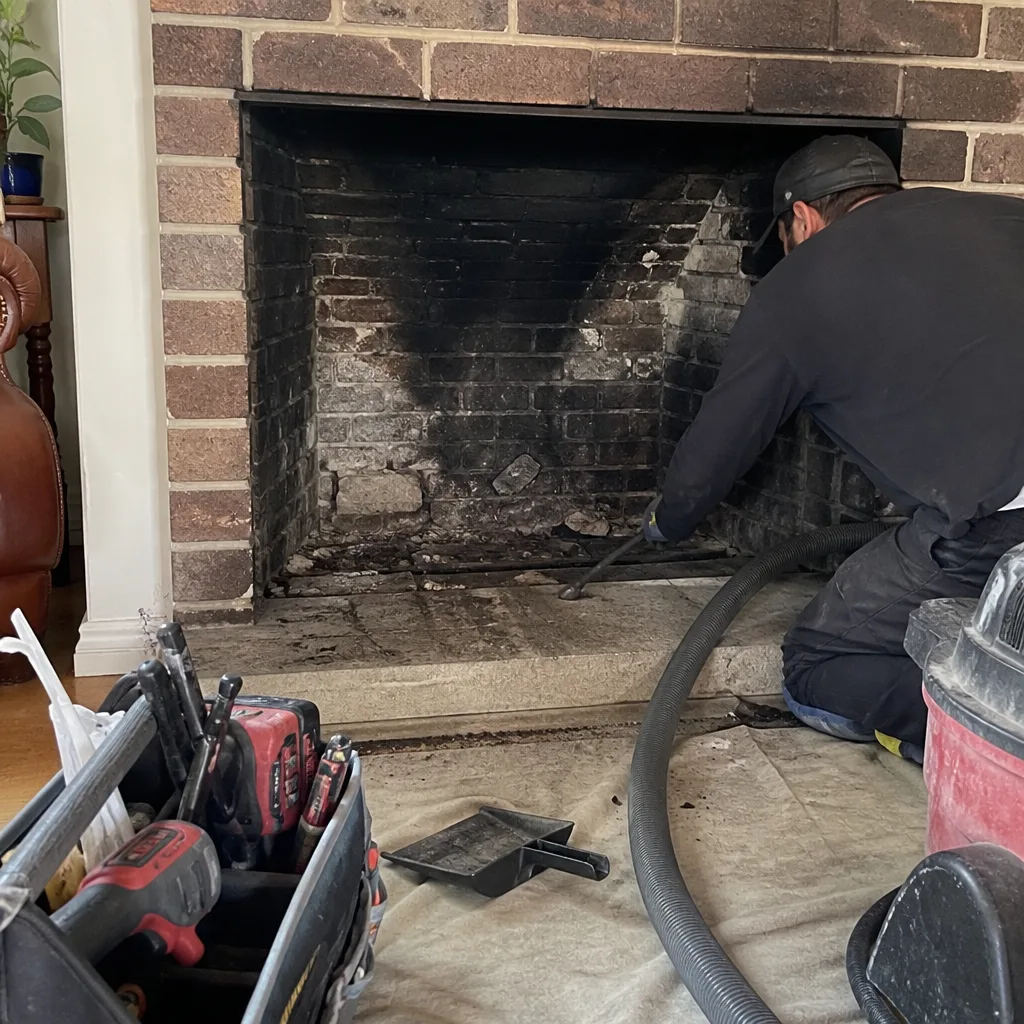 Before
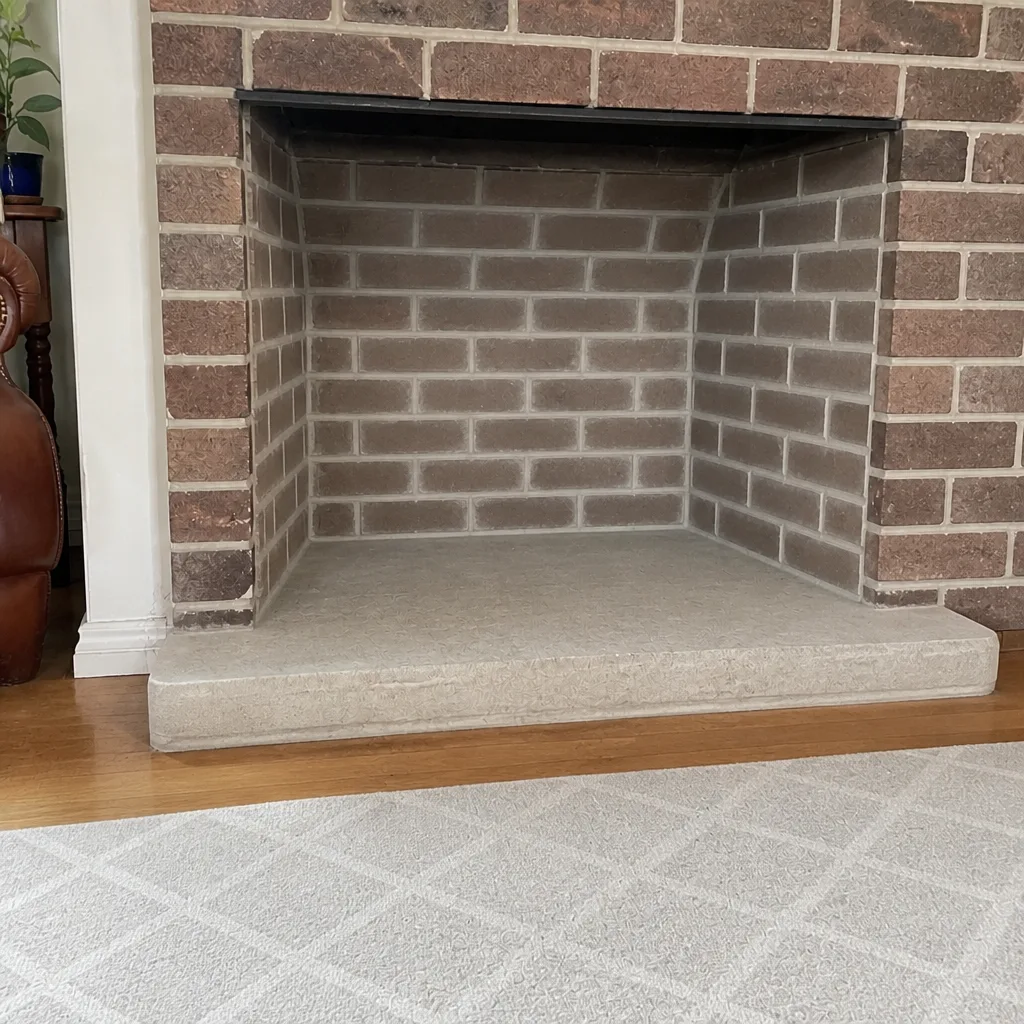 After
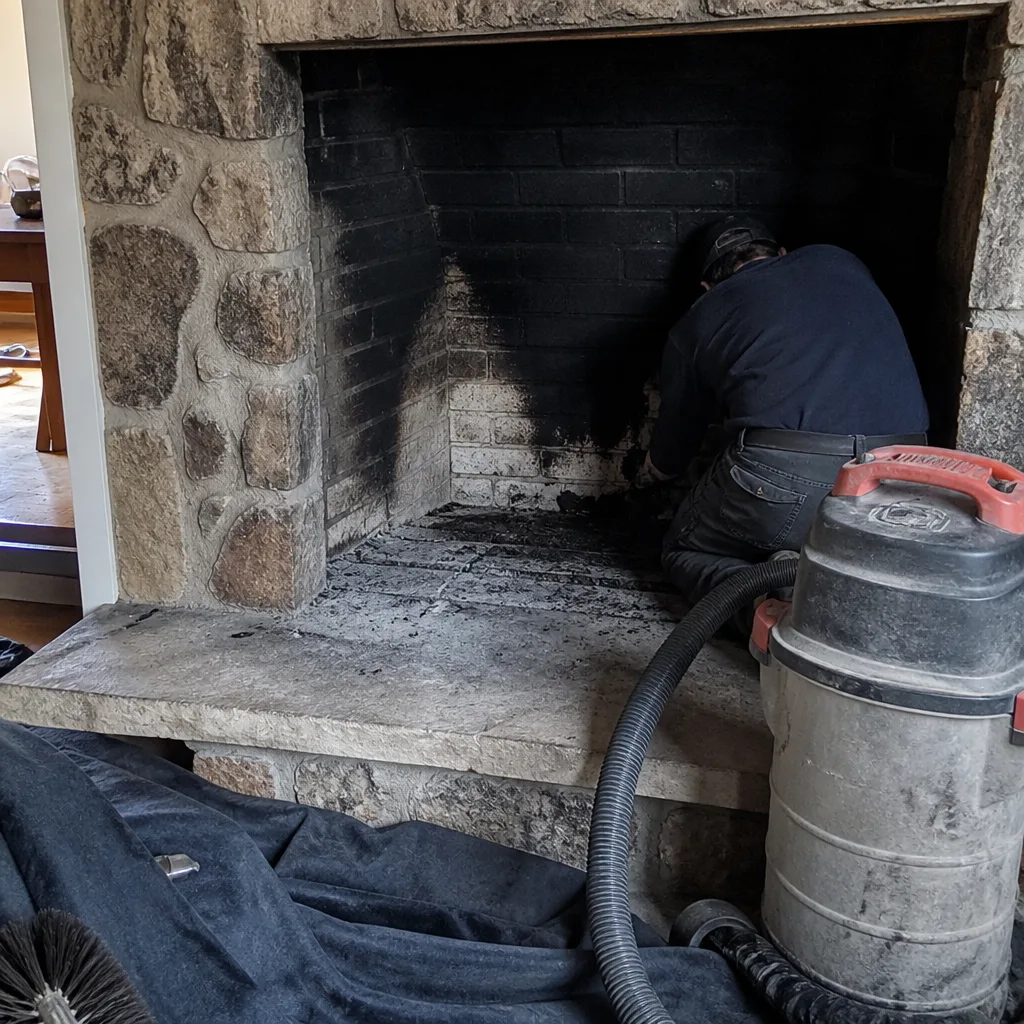 Before
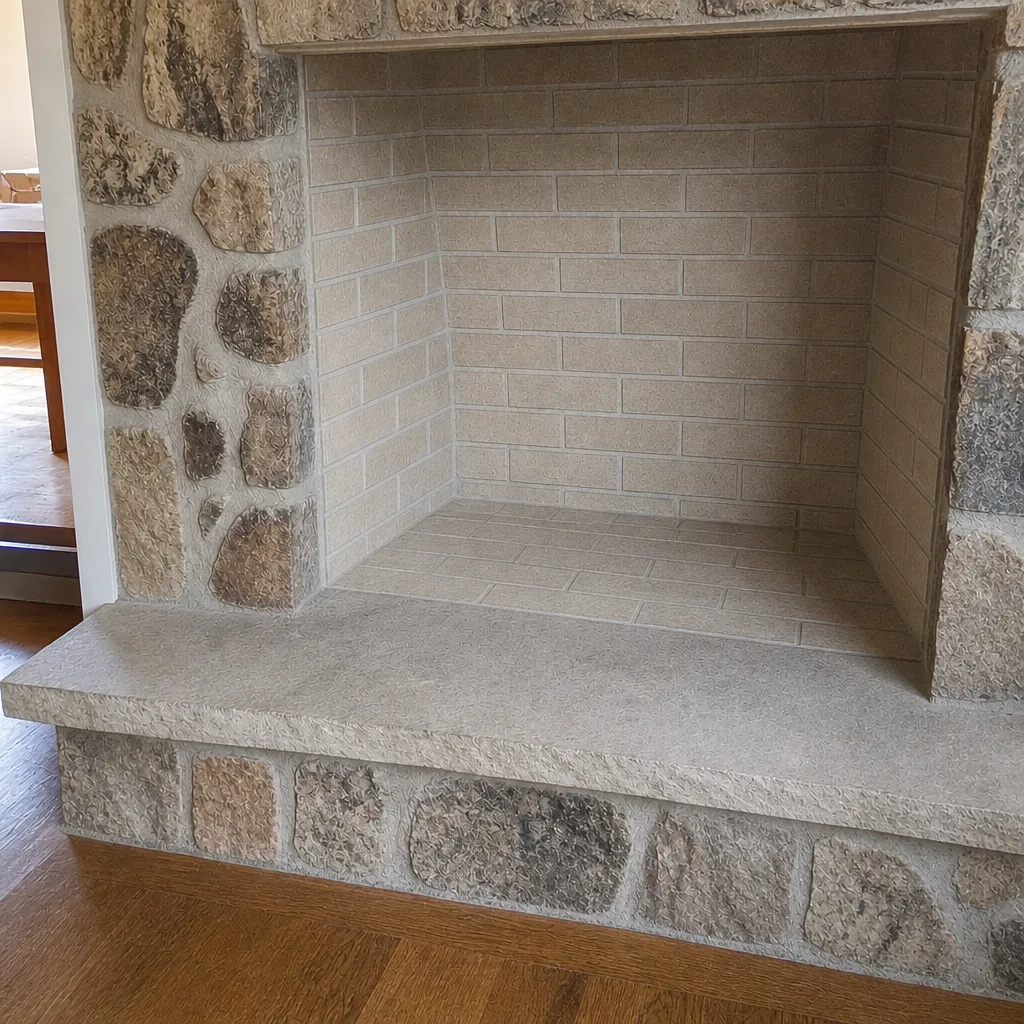 After
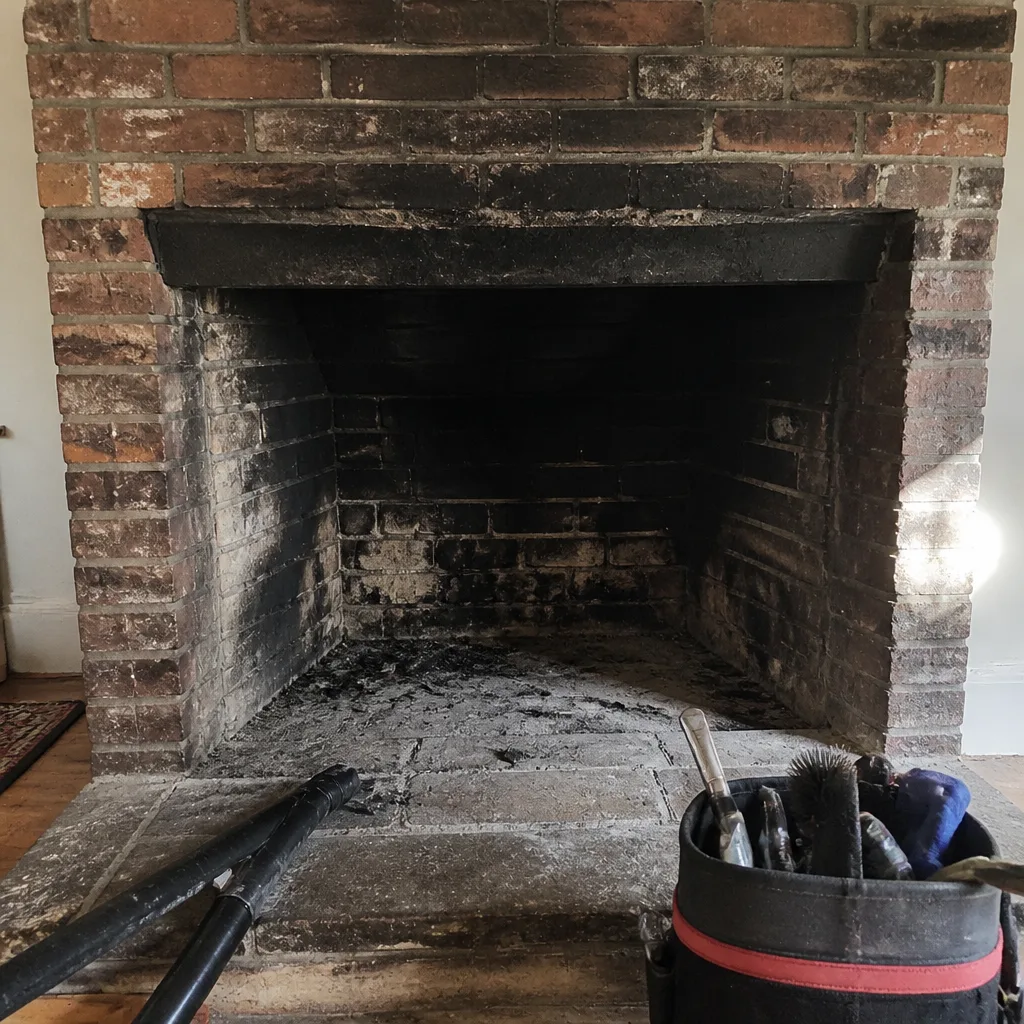 Before
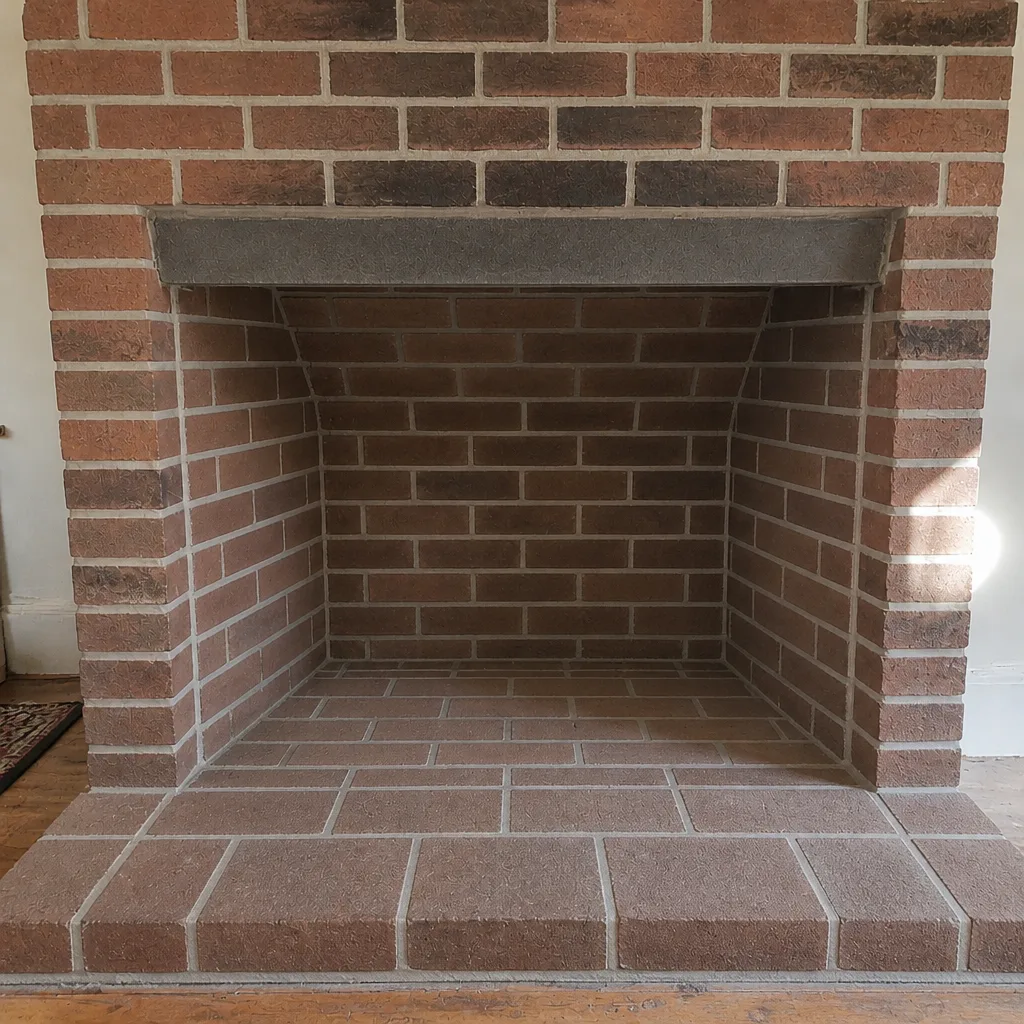 After
HeatShield Products We Service & Install in Boulder
We work across the HeatShield line as it applies to residential masonry fireplaces and flues:
- HeatShield Cerfractory Flue Sealant – the original cast-in-place liner for unlined or damaged masonry flues.
- HeatShield Resurfacing System – for ovalized and offset flues where a rigid system won’t fit cleanly.
- HeatShield Crown Repair / CrownSeal – refractory crown products that stop meltwater before it reaches the liner.
- HeatShield Custom Flue Lining – for fireplaces being converted to gas inserts.
For Boulder homeowners making the move to gas or pellet under the city’s burn rules, the Custom Flue Lining option is often the right fit.
We Also Service These Brands
HeatShield is one system in a wider toolkit. We also work with DuraFlex flexible stainless-steel liner systems for chimneys that need a mechanical reline, and Gelco sealants and hardware where a coating job calls for it. If your flue is better served by DuraFlex than by a cast-in-place liner, we’ll say so. That range is why we can give you a straight read on repair versus replace instead of steering every job toward one product.
FAQs – HeatShield Chimney Cleaning Service in Boulder
No. HeatShield is a cast-in-place refractory liner system applied inside the existing flue, while a stainless steel liner is a metal tube inserted into the chimney. A cast-in-place liner can insulate the flue and fit irregular shapes; a steel liner is a mechanical insert. The right choice depends on your flue’s condition and appliance.
Gritty refractory debris on the smoke shelf, a faint crack running up from the damper frame, or smoke rollback when you light a fire are the usual signs. On a typical HeatShield-lined masonry fireplace, that pattern often traces to a liner applied over a spalling flue or cured too fast, with the crown above letting meltwater in. A camera inspection confirms it. Call (877) 820-8761 for a free estimate.
Yes. We use HeatShield’s own refractory and crown formulations for HeatShield jobs, not generic patching compound that won’t match the liner’s expansion. We don’t claim to stock OEM parts. What we will guarantee is that the material matches the flue before we apply it.
Yes, mainly that the sweep avoids aggressive mechanical action on a refractory surface. A cast-in-place liner is more damage-prone to scraping than steel, so the technician needs to know it’s HeatShield before starting. Our technicians have up to 15 years of experience with this kind of liner and sweep it with the surface in mind.
In many cases HeatShield Crown Repair and CrownSeal can recast or coat a cracked crown without rebuilding the chimney. The decision depends on how far the freeze-thaw damage has spread and whether water has already reached the liner. We inspect first and show you the evidence. Call (877) 820-8761 for a free estimate.
There’s no fixed price, because HeatShield work ranges from a routine sweep to a full recoat with crown repair. Every price is set per job by a written estimate after we inspect the flue, and the estimate is free. Nothing is recommended without camera evidence you can see. Call (877) 820-8761 for an exact quote.
Book Your HeatShield Service in Boulder, CO
Whether your HeatShield-lined flue just needs a careful sweep or a failing liner needs a straight answer, we’ll inspect before we recommend anything. Call (877) 820-8761 for a free estimate. We answer 24/7. Fast dispatch from 7am to 7pm, Sunday through Friday. We’re an independent HeatShield service provider in Boulder, and we’d be glad to take a look.
Written by the team at Boulder Chimney Sweep Pros.