
Last updated November 25, 2026
 Sweep & inspection
 Caps & crowns
 Flue relining
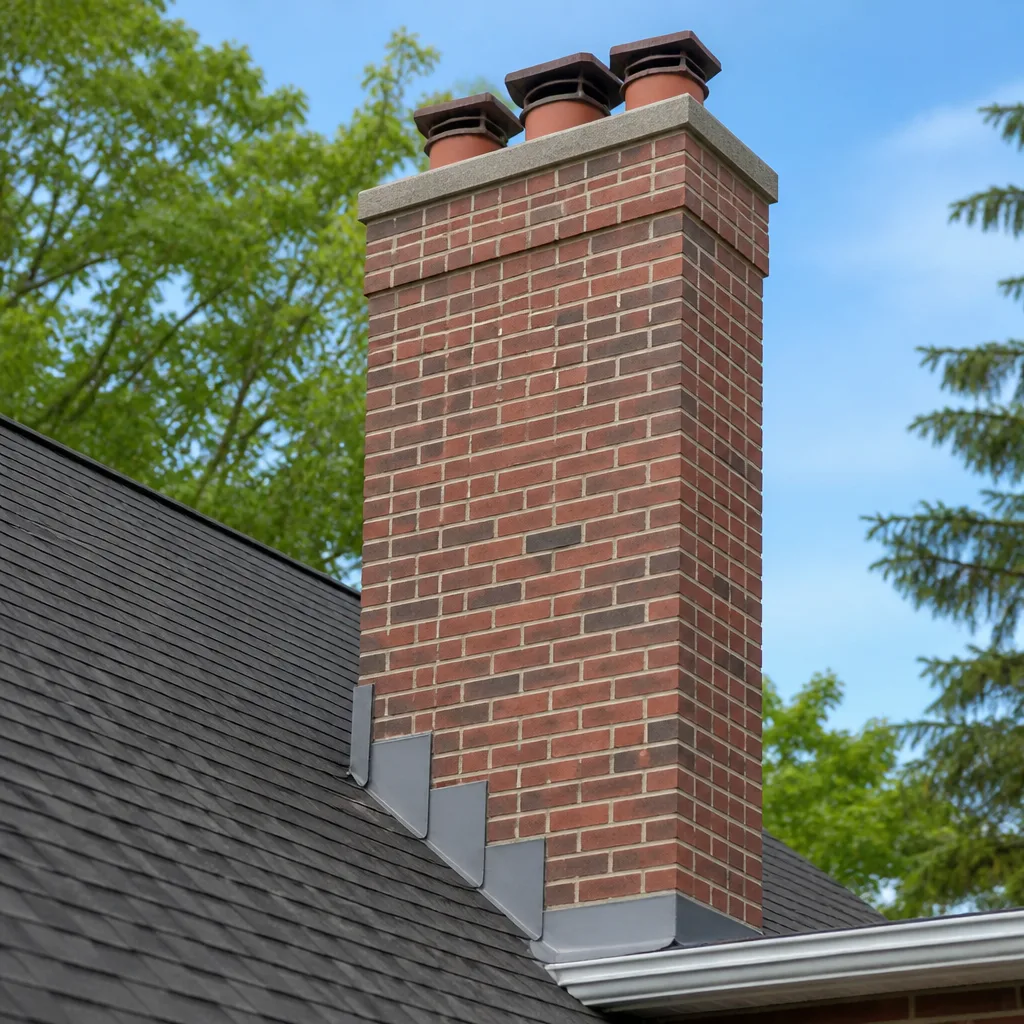 Masonry repair
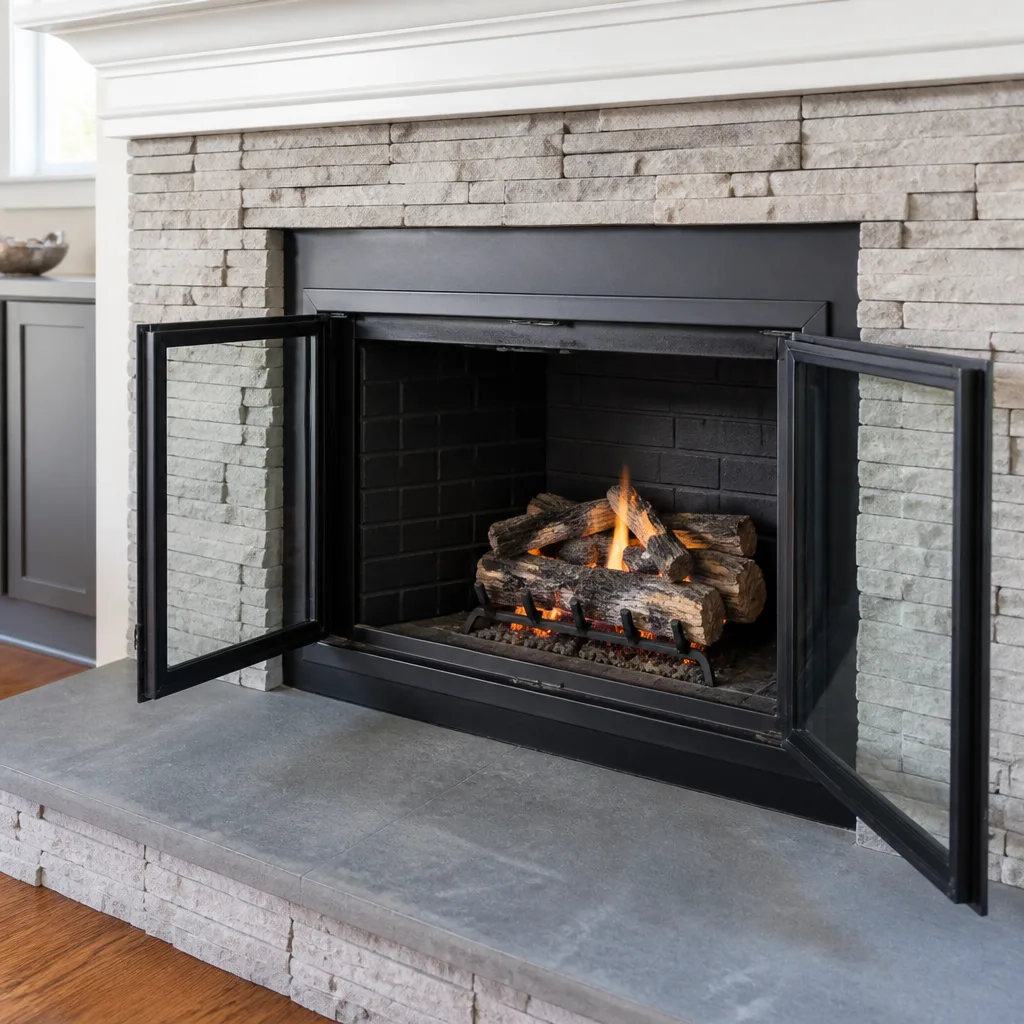 Gas fireplace service
Level 1 sweep and inspection to the NFPA 211 annual standard - flue, crown, cap, and flashing checked and photographed
Chimney sweep logs do not sweep chimneys. They loosen some creosote - which then falls where a brush and vacuum still have to collect it.
Seasonal Chimney Cleaning Care for Boulder: Year-Round Homeowner’s Guide
Most homeowners treat the chimney like a seasonal appliance: light a fire in October, forget about it in April. That habit is what causes chimney problems in Boulder. The worst time to discover your cap was damaged is the first cold night in October when you light a fire. Boulder’s late-spring hailstorms and early-fall temperature swings create a narrow maintenance window most homeowners consistently miss, and once it’s gone, the damage has already started. This guide walks through all four seasons of chimney care in Boulder, from what the spring thaw does to your mortar joints to the summer tasks that protect your fall readiness. Read it once and you’ll have a maintenance calendar you can actually follow.
Quick Answer
The chimney needs attention in every season, not just before you burn. In Boulder, spring and fall are the shoulder seasons that matter most: spring inspection catches freeze-thaw damage before it spreads, and a September cleaning beats the October rush because early cold snaps are common along the Front Range. Year-round care means spring inspection, summer cap and animal checks, pre-season cleaning, and tracking winter burn patterns so your next spring cleaning is scoped correctly. The payoff is a fire-safe, water-tight chimney that lasts.
Styles & brands we work with
- Sweep & inspection
- Caps & crowns
- Flue relining
- Masonry repair
- Gas fireplace service
Table of Contents
- The Seasonal Cycle of a Boulder Chimney
- Spring Thaw and Mortar Joints: Why May Is Inspection Month
- Summer Chimney Tasks: Animals, Caps, and Hail Damage
- Fall Pre-Season Cleaning: Why September Beats October
- Winter Burn Patterns: What to Track and Why
- Low Humidity Summers and Clay Flue Tile Cracking
- How Often Should a Chimney Be Swept and Inspected?
- Common Mistakes to Avoid
The Seasonal Cycle of a Boulder Chimney
A chimney is a masonry structure that expands, contracts, absorbs moisture, and dries out on a cycle tied to the seasons. In Boulder that cycle is pronounced: hard freezes in winter, wet spring snow, dry summer air, and sharp temperature swings in fall. Each season leaves its own signature on the chimney, and each season offers a specific window to catch problems before they get expensive.
The pattern runs roughly like this:
- Winter – the burn season. Heat stresses masonry and flue tiles, and creosote accumulates inside the flue. Weather drives moisture into any crack or gap.
- Spring – the thaw. Frozen moisture in masonry expands, then melts and refreezes, widening mortar joints and cracking the crown.
- Summer – drying and hazards season. Low humidity pulls moisture out of masonry, which accelerates flue tile cracking. This is also when hailstorms and animals do their damage.
- Fall – the reset. Cleaning, inspection, and any repairs that need to happen before you burn again.
Skip a season and the problem compounds. A crack that would be a five-minute seal in May can become a rebuilt crown by fall. When we talk with Boulder homeowners about their maintenance schedule, the ones who call us for a sweep are usually already beyond seasonal care. A single diagnostic visit that spans cleaning through Boulder Chimney Sweep Pros services resolves the full checklist rather than waiting for one problem to escalate.
Spring Thaw and Mortar Joints: Why May Is Inspection Month
May is the right month for a Boulder chimney inspection because it sits just after the last hard freeze and just before the summer drying season. By May, the freeze-thaw damage from winter and early spring is visible, but the masonry hasn’t yet dried and shrunk, which masks fine cracks later in the season. An inspector looking at the chimney in May can see exactly what the thaw did.
Here’s what spring thaw actually does to a chimney in Boulder:
- Mortar joints widen. Moisture that entered through a hairline crack in fall freezes overnight in March and April, expands, and pushes the mortar apart. By May, the joints may look chalky or crumbly.
- Sealant cracks at the crown edge. The crown is the concrete cap at the very top of the chimney. Its flexible sealant can separate from the masonry during the freeze-thaw cycle, opening a channel for water.
- Flue tile cracks open. Clay tiles crack and spall when moisture works into them and freezes.
- Brick faces spall. The front face of a brick can pop off, leaving a pitted surface that holds water and worsens over time.
The spring inspection focuses on the crown, the mortar joints, the flashing where the chimney meets the roof, and the flue liner. We inspect before we recommend, which means a May inspection should be mostly diagnostic. If everything is sound, you get a written report and a green light for the season. If the crown sealant is failing, resealing now is a small job compared to rebuilding the crown after a second winter of water intrusion. This is also the moment for a professional chimney sweep to clear out the winter’s soot and creosote before summer humidity can bind it to the flue walls.
Summer Chimney Tasks: Animals, Caps, and Hail Damage
Summer is the season most homeowners forget the chimney exists, which is exactly why summer is when small problems turn into fall emergencies. Two forces are at work: wildlife looking for a cool, dry cavity, and weather, particularly hail.
Animal intrusion checks
Birds, squirrels, and raccoons treat an uncapped chimney as prime real estate during dry summer months. A chimney cap with a proper spark screen is the front-line defense. During a summer walkthrough, check that:
- The cap is still attached and the spark screen is intact.
- No nesting material has collected on top of the flue.
- No animal has found a gap around the cap’s base or between the cap and the flue tile.
- No debris on the chimney top is blocking airflow.
Nesting material inside a flue is a fire hazard, and birds can also introduce parasites. If you hear scratching or notice soot falling into the firebox in summer, stop using the fireplace and get the chimney inspected before you burn again.
Hail damage to caps and crowns
Boulder sits in one of the most active hail corridors in the country. Late-spring hailstorms can dent a metal cap, crack a masonry crown, or knock a cap out of alignment. A cap that no longer sits flush lets rain run down the inside of the flue. A cap that’s rattled loose lets animals in. Copperfield and Famco caps and crown materials are our go-to product lines for replacing damaged units because they hold up to Front Range weather; these are professional-grade materials, not off-the-shelf hardware-store parts. The cap and crown work together to address the two most common sources of water intrusion, which is why we treat summer as the season for preventive care, not just reactive repair.
Fall Pre-Season Cleaning: Why September Beats October
September is the right month for a pre-season cleaning in Boulder because late September and early October often bring the season’s first cold snap. Homeowners who wait until the first cold night to call a sweep are competing with everyone else in the city for a slot. Book the sweep in September and you’ve cleared creosote, verified the flue, and confirmed the cap and crown before the first fire is even a thought.
A proper pre-season visit includes:
- Sweep the flue. Mechanical brushes remove soot and creosote from the flue walls; a camera check confirms the flue is clean top to bottom.
- Inspect the firebox and damper. Confirm the damper opens, closes, and seals, and that the firebox masonry has no cracks.
- Check the cap and crown. Reconfirm the summer inspection findings and reseal anything that opened up since May.
- Check the smoke chamber and smoke shelf. Confirm the smoke chamber is smooth and the shelf isn’t obstructed by debris.
- Document the flue condition. Note any cracks or gaps so you know what to watch during the burn season.
If the flue has cracks or separations, September also gives you time to schedule a proper repair before winter. The HeatShield ceramic resurfacing system is one option for restoring a cracked clay liner without demolishing the chimney, and in our experience it’s a repair method sweep-only competitors simply don’t offer. A September inspection leaves time for that fix. An October inspection often means burning in a compromised flue or not burning at all.
While the flue is being cleared, a fall visit is also the right moment to spot-check the fireplace itself. If the damper is dragging, the firebox has cracked joints, or the grate is deformed, book fireplace repair before the burn season rather than putting the fire out mid-winter.
Winter Burn Patterns: What to Track and Why
Winter is the season you actually use the fireplace, and what you do during the burn season determines how big a job spring cleaning will be. The pattern to track is creosote: it builds up differently depending on how you burn.
Here’s what to note as you use the fireplace in Boulder:
- How hot the fire burns. Smoldering, low-oxygen fires produce more creosote than hot, efficient ones. Cool flue gases condense on the flue walls and harden.
- How often the chimney is used. Daily use in cold snaps loads creosote faster than occasional weekend fires.
- The color of the creosote. Soot is dark and powdery. Brittle, flaky, or glazed creosote is progressively harder to remove and more of a fire risk.
- Signs of weak draft. Smoke rolling into the room, a sluggish damper feel, or puffing at startup suggest a draft problem to address in spring.
- Any unusual smells. A sour or smoky smell with the fireplace off may point to a blocked flue or animal debris.
Don’t try to inspect the flue interior yourself. There’s a reason that habit earns a safety caveat: creosote can ignite, and a hot chimney fire can damage the masonry from the inside out. The safe routine is to log your observations as a homeowner, keep your smoke and carbon monoxide detectors working, and hand the diagnosis to a trained professional. When you call us in spring, a simple note like “burned daily for two months, drafted slow in late February” lets us scope the cleaning correctly. In winter, if you notice draft problems that persist, a chimney repair inspection is the right call rather than waiting for spring.
Low Humidity Summers and Clay Flue Tile Cracking
Boulder’s dry summer air is hard on clay flue tiles in a way homeowners don’t expect. Clay absorbs some moisture in wet conditions and gives it off in dry conditions, so the tiles move. Add the overnight temperature swings that show up along the Front Range even in summer, and the tiles go through a small but repeated expansion and contraction cycle that can run hairline cracks around the flue over time.
Cracks that would not matter in a humid climate are more consequential here because summer storm moisture can enter a cracked tile during a quick downpour and then dry out fast, stressing the crack further. What to watch for:
- Visible cracks or chips in the flue tile during a professional inspection.
- Liner pieces or flakes visible in the firebox or on the smoke shelf.
- Soot streaks on the exterior brickwork, suggesting a leak into the flue.
- Uneven color in the flue tile during a camera check, which can indicate spalling.
A camera check is the only reliable way to see the whole flue, and a photo report shows you what the technician saw. If the liner is cracked, the two repair paths are ceramic resurfacing through HeatShield or a flexible stainless reline. DuraFlex flexible liner systems are what we turn to when a chimney has complex offsets or older masonry that rigid systems can’t follow. Both are durable repairs, not patches to pass the season.
How Often Should a Chimney Be Swept and Inspected?
Most homeowners should sweep the chimney once a year and inspect it annually, with extra attention whenever the burn season is heavy. The variable is how much you burn. If you use the wood-burning fireplace as a primary heat source in winter, plan on an annual sweep and consider a mid-winter look at the flue if you notice draft issues. If you light a fire a few times a week in cold months, the annual sweep plus a spring inspection is usually the right rhythm. Gas fireplaces usually need inspection rather than a full sweep, but the annual check-up still matters.
The check-in cadence that works for most Boulder households:
- Annual sweep. Once a year, in September or just before the burn season.
- Annual inspection. Once a year, ideally in May to catch the thaw damage.
- Post-weather inspection. After a major hail event or wind storm, a quick check of the cap and crown.
- Post-purchase inspection. Whenever you move into an older home and the prior owner’s maintenance record is unclear.
- Post-any-event inspection. If you’ve had a chimney fire, a partial flue blockage, or animal debris, do not wait for the annual cycle.
For a deeper walk-through of what each service does, our chimney sweep page covers exactly what a Baltimore-style full sweep and inspection looks like end to end. If you’re facing a larger repair scope, the step-by-step on chimney repair shows what a proper job should include.
Common Mistakes to Avoid
- Skipping the spring inspection because the fire burned fine in winter. A chimney can work well in winter and still be quietly filling with water damage behind the crown. The thaw-driven damage is invisible from outside.
- Waiting until October to call for the pre-season sweep. Boulder’s early cold snaps cluster in late September and early October. Booking in September makes the whole season smoother.
- Assuming the cap is fine after summer. A late-spring hailstorm can dent a metal cap or crack the crown, and it can happen weeks before you look at the roof.
- Ignoring a faint smoky smell in summer. That smell often points to a blocked flue or animal debris, not a harmless odor.
- Burning low and slow to “save wood.” Cool, smoldering fires deposit more creosote than hot fires. Burn hotter, less often, and the flue is cleaner.
- Treating a cracked flue tile as a small problem. A cracked liner lets combustion gases into the chimney cavity, and it worsens each freeze-thaw cycle until it becomes a full reline or rebuild.
- Accepting a repair quote from a general handyman. A generalist with a brush cannot restore a flue liner. HeatShield, DuraFlex, Olympia Chimney, and similar systems are specialist products used by chimney professionals for a reason.
See the difference
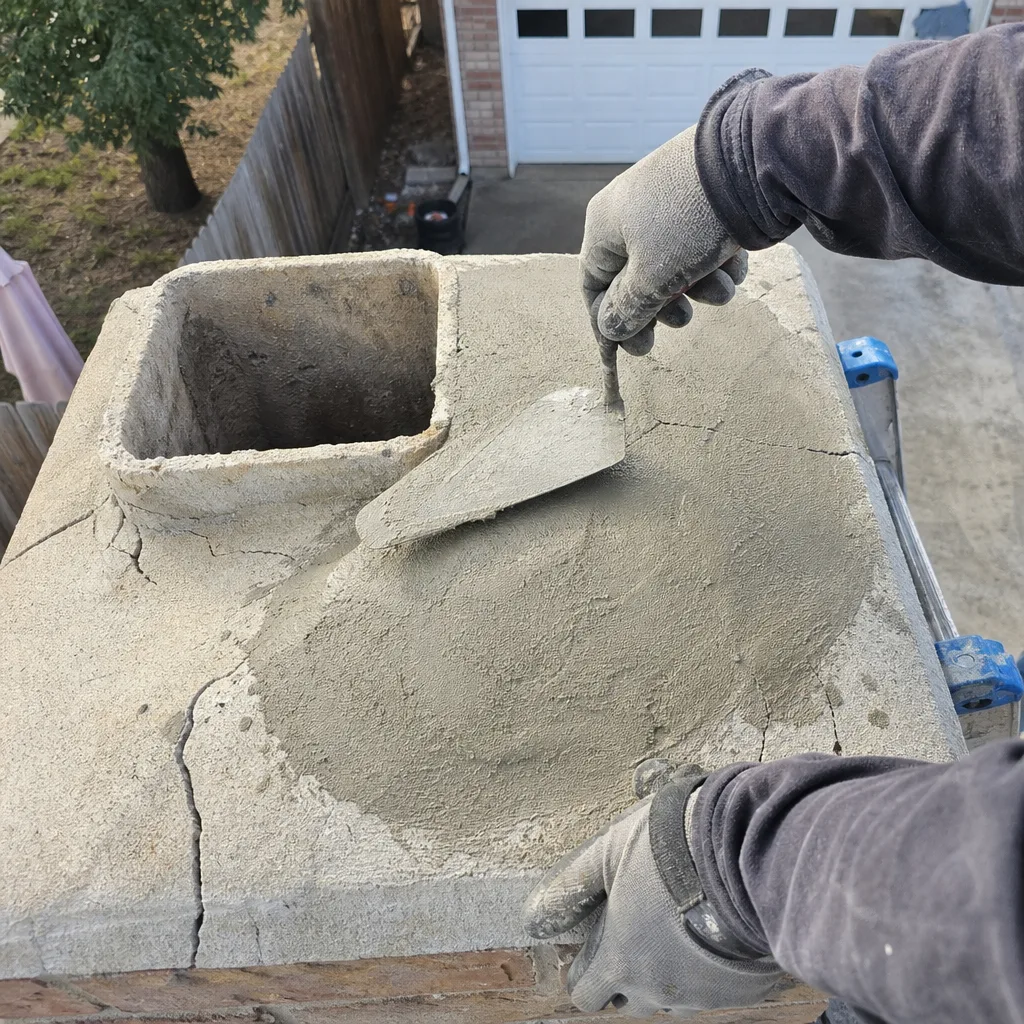
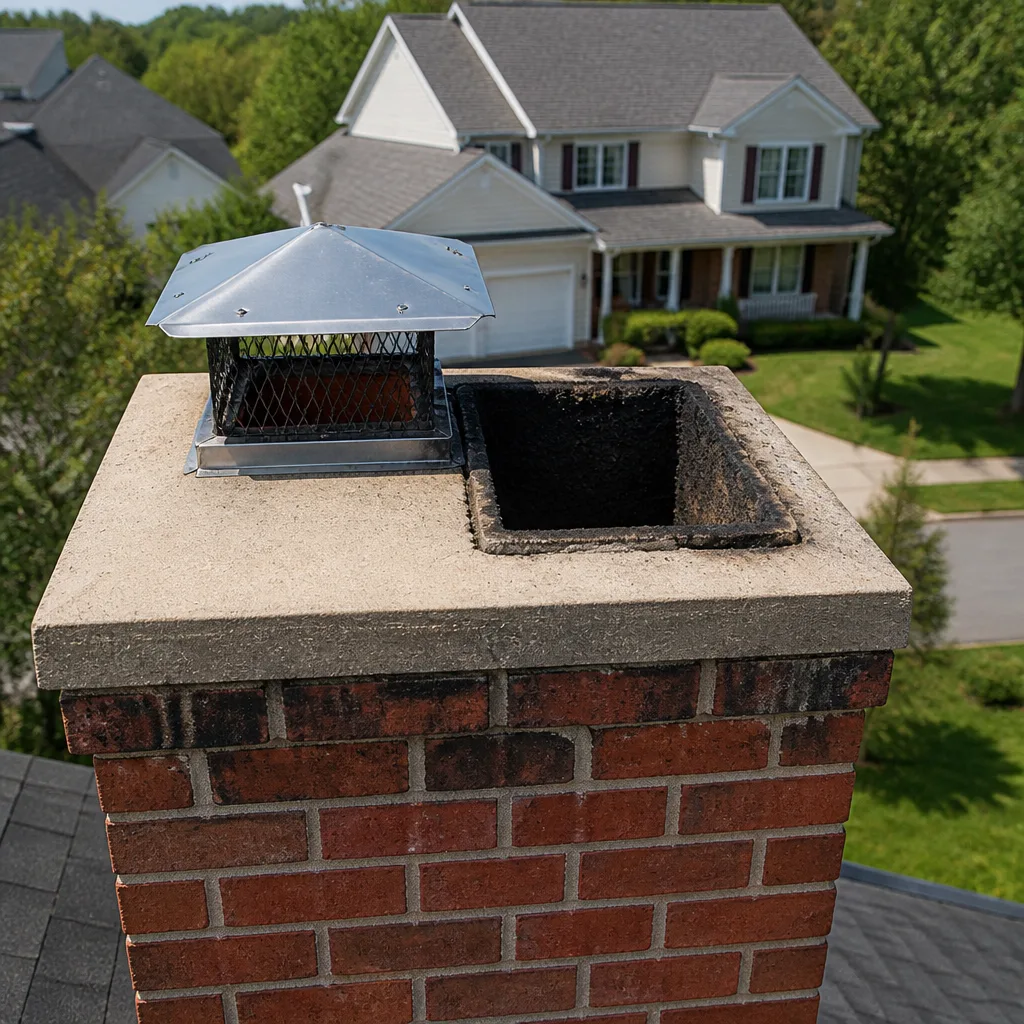
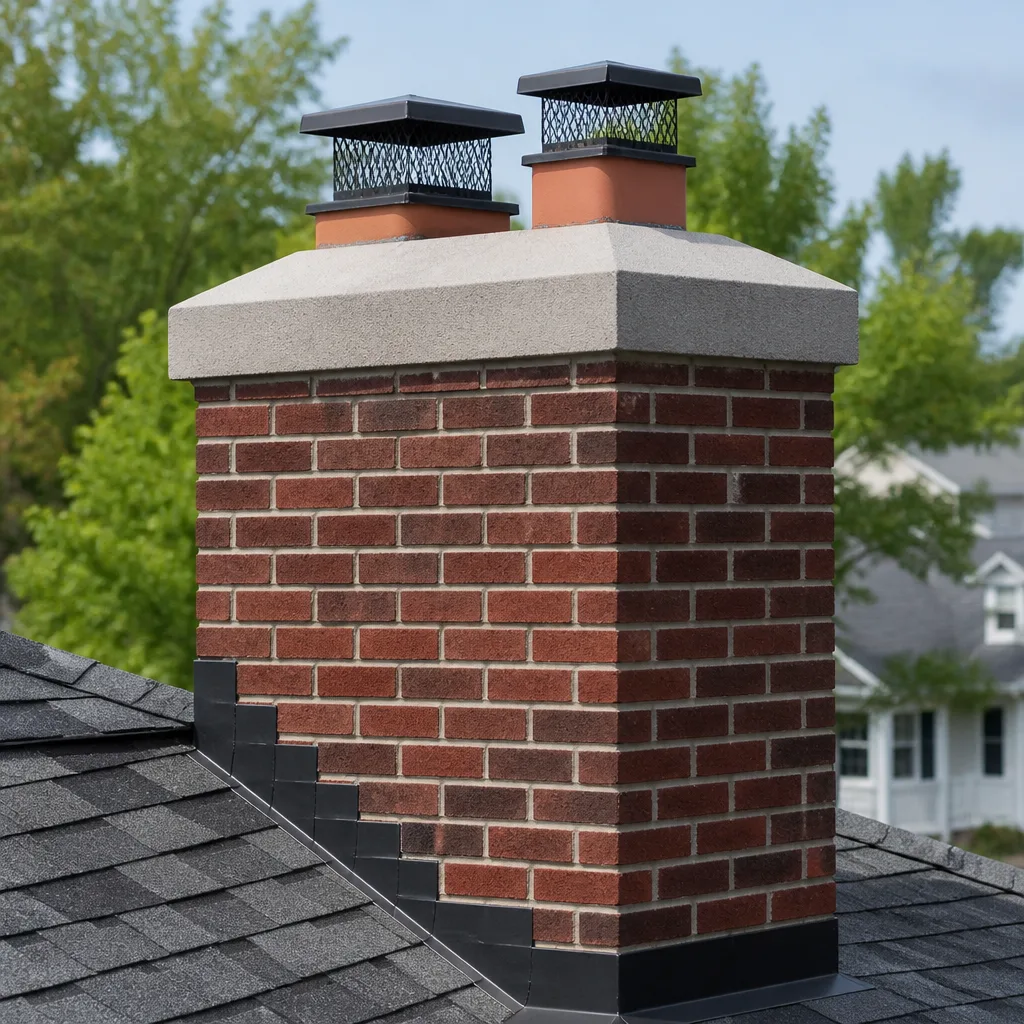
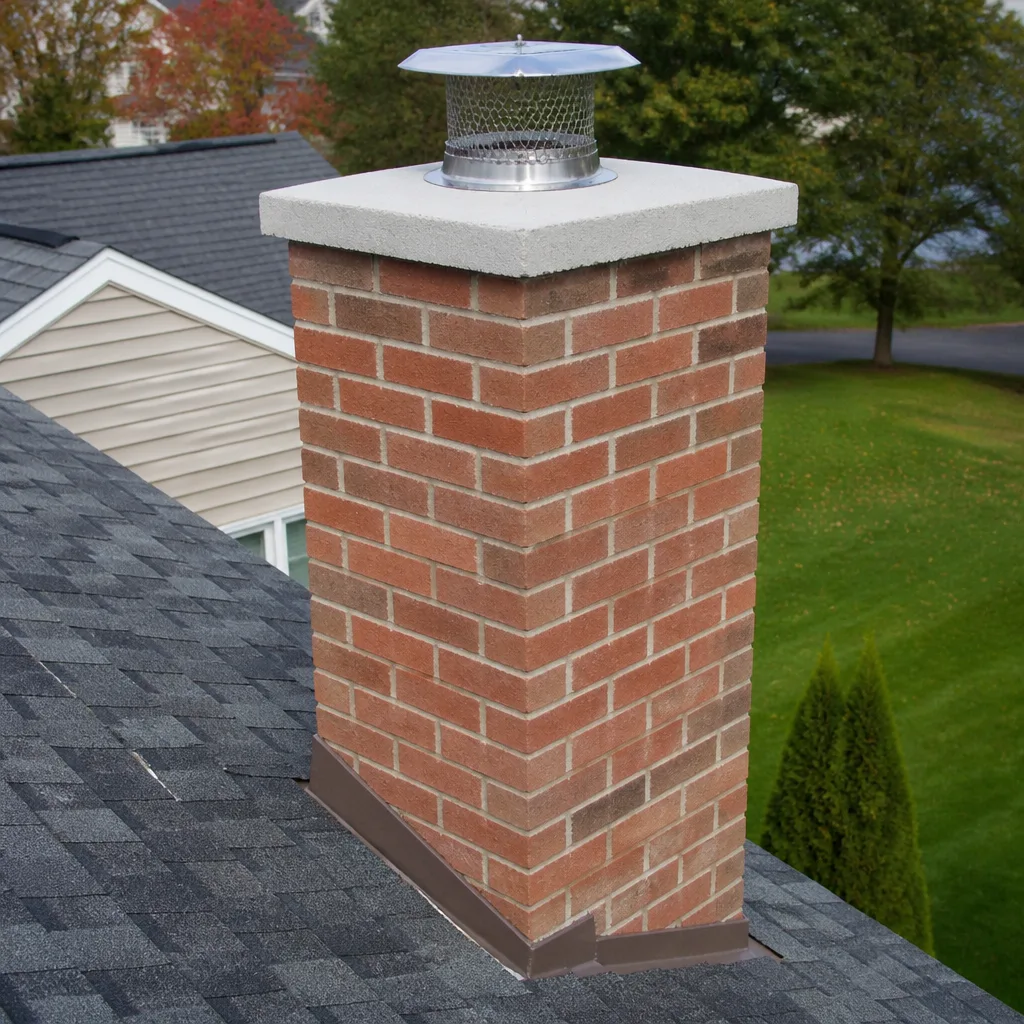
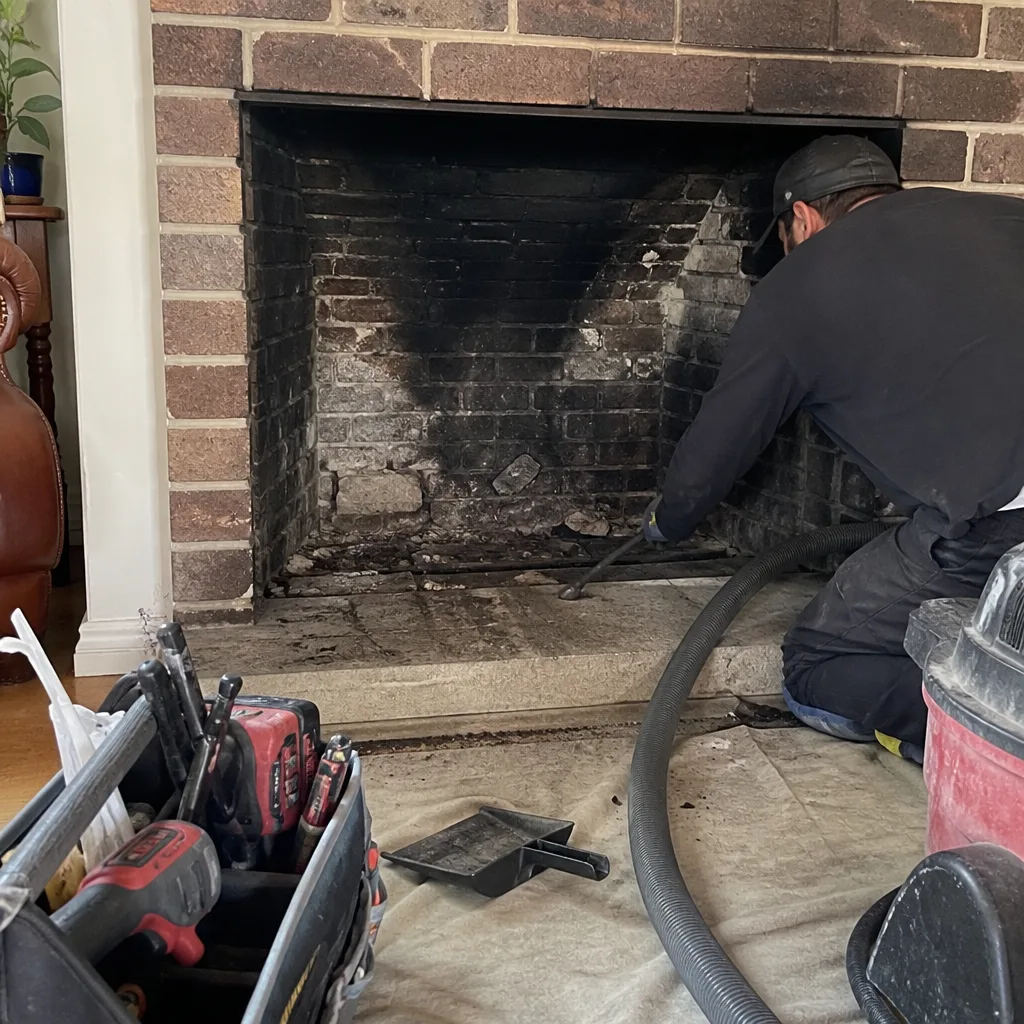 Before
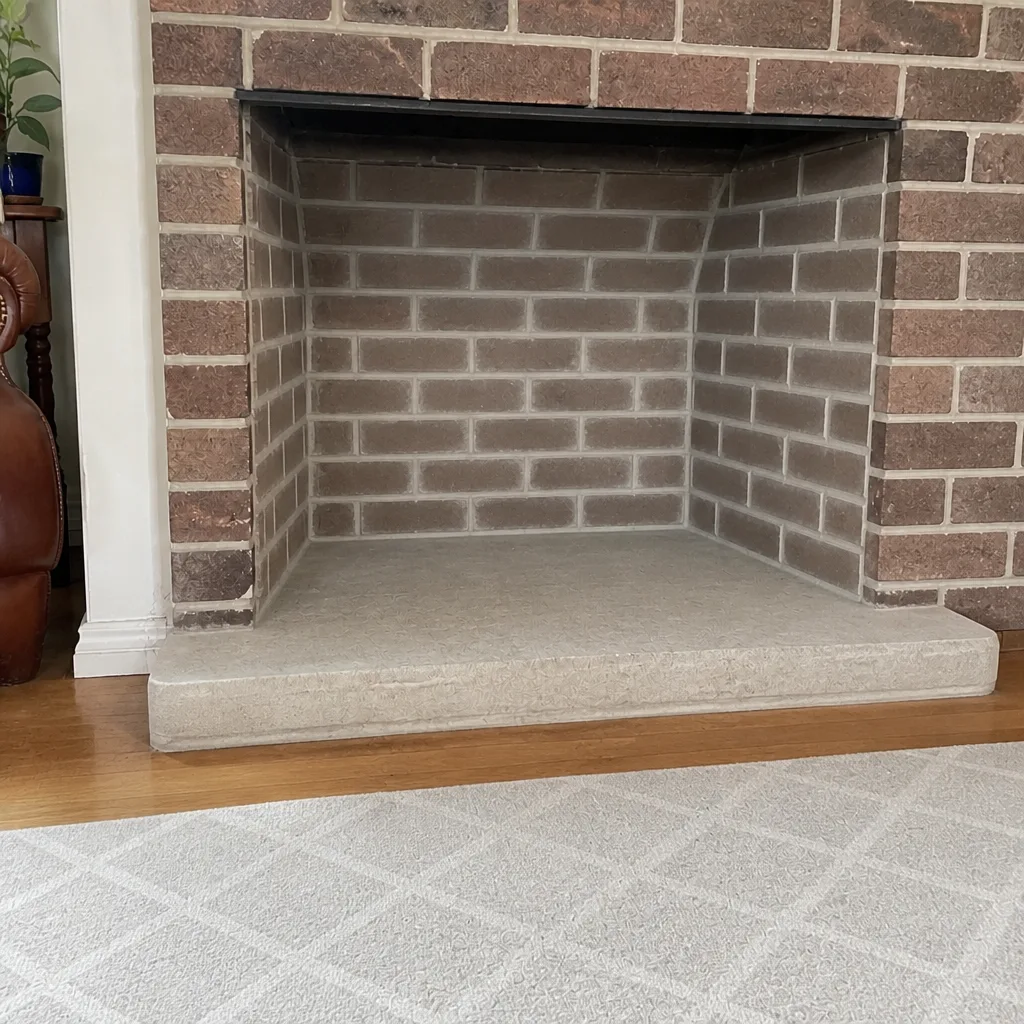 After
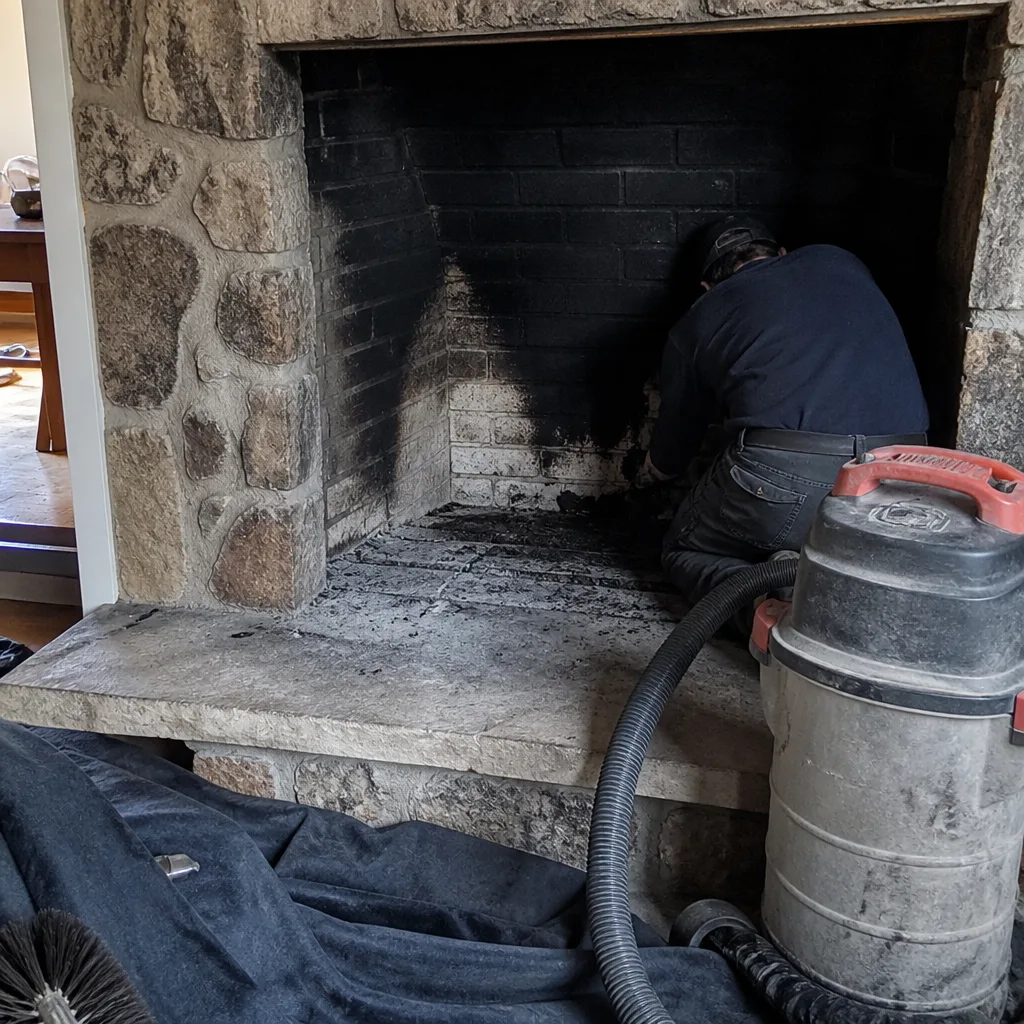 Before
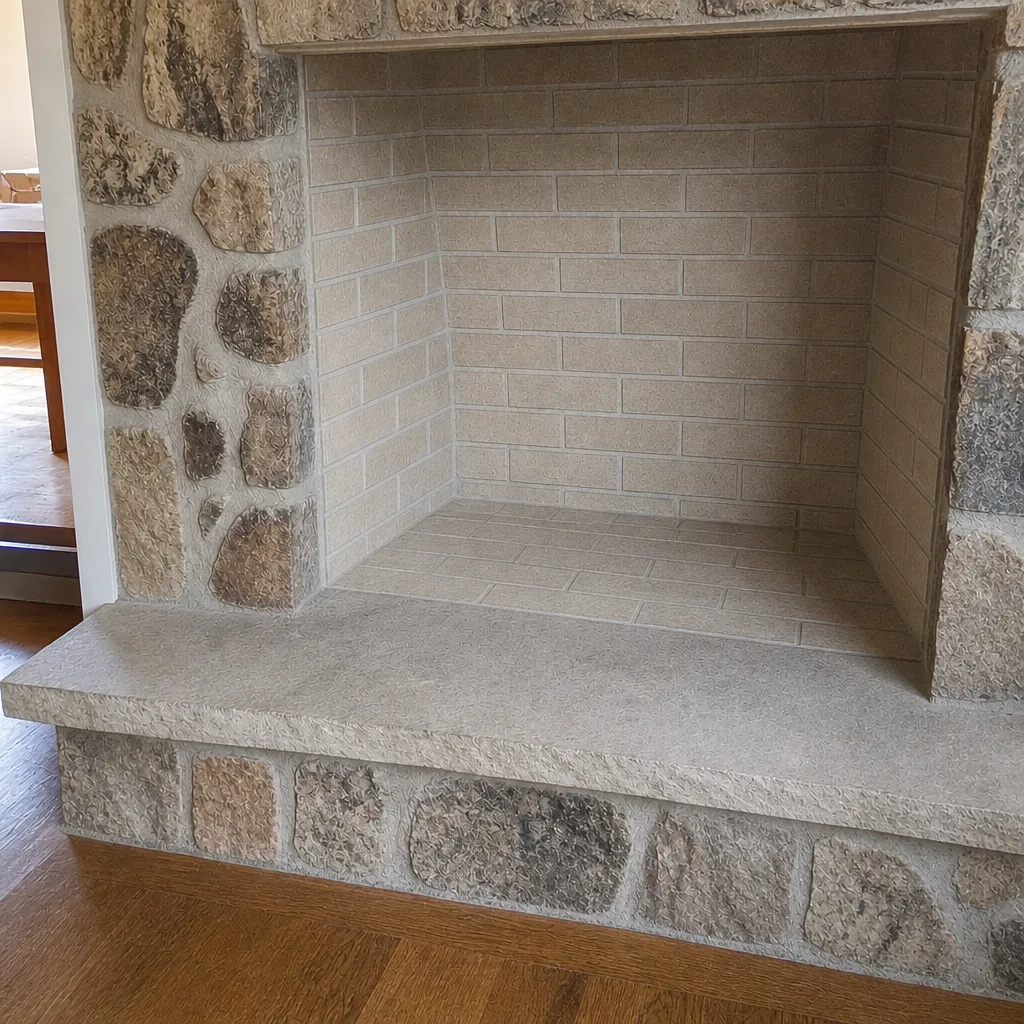 After
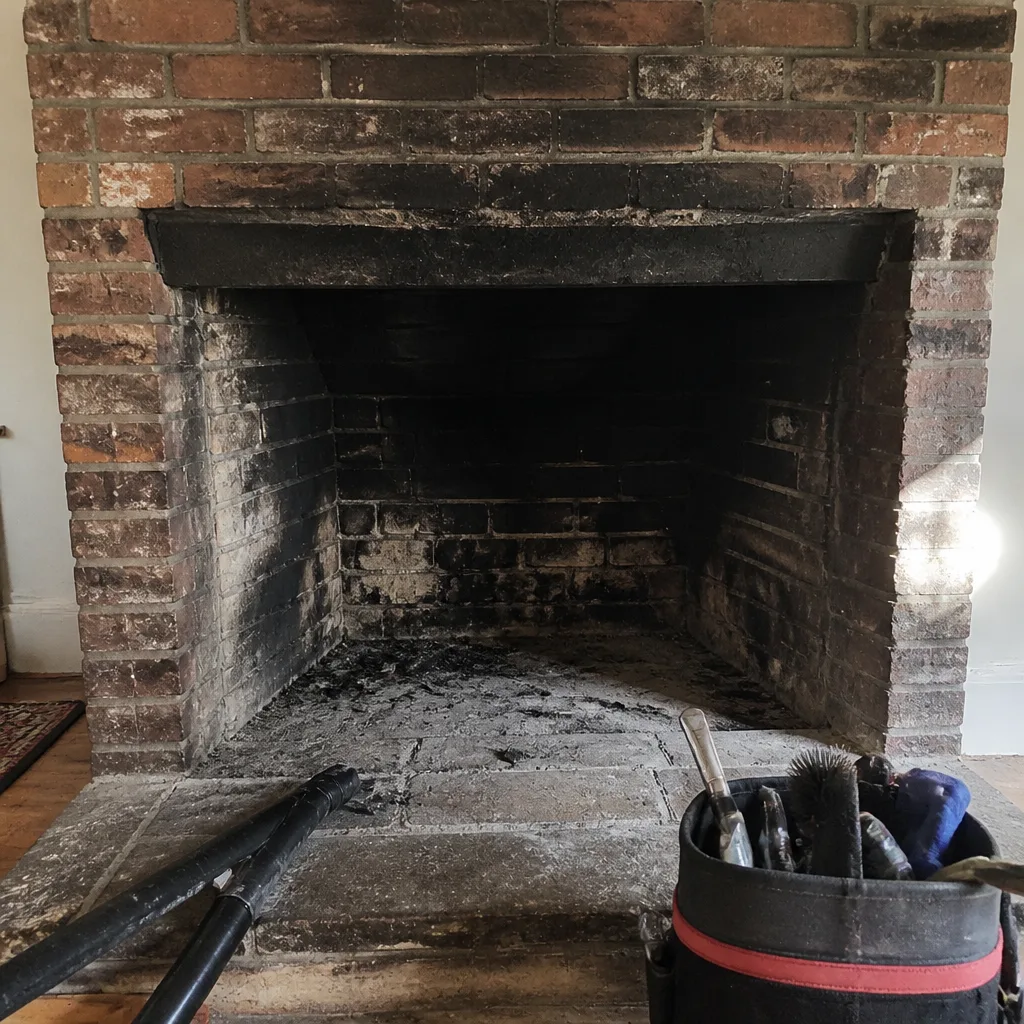 Before
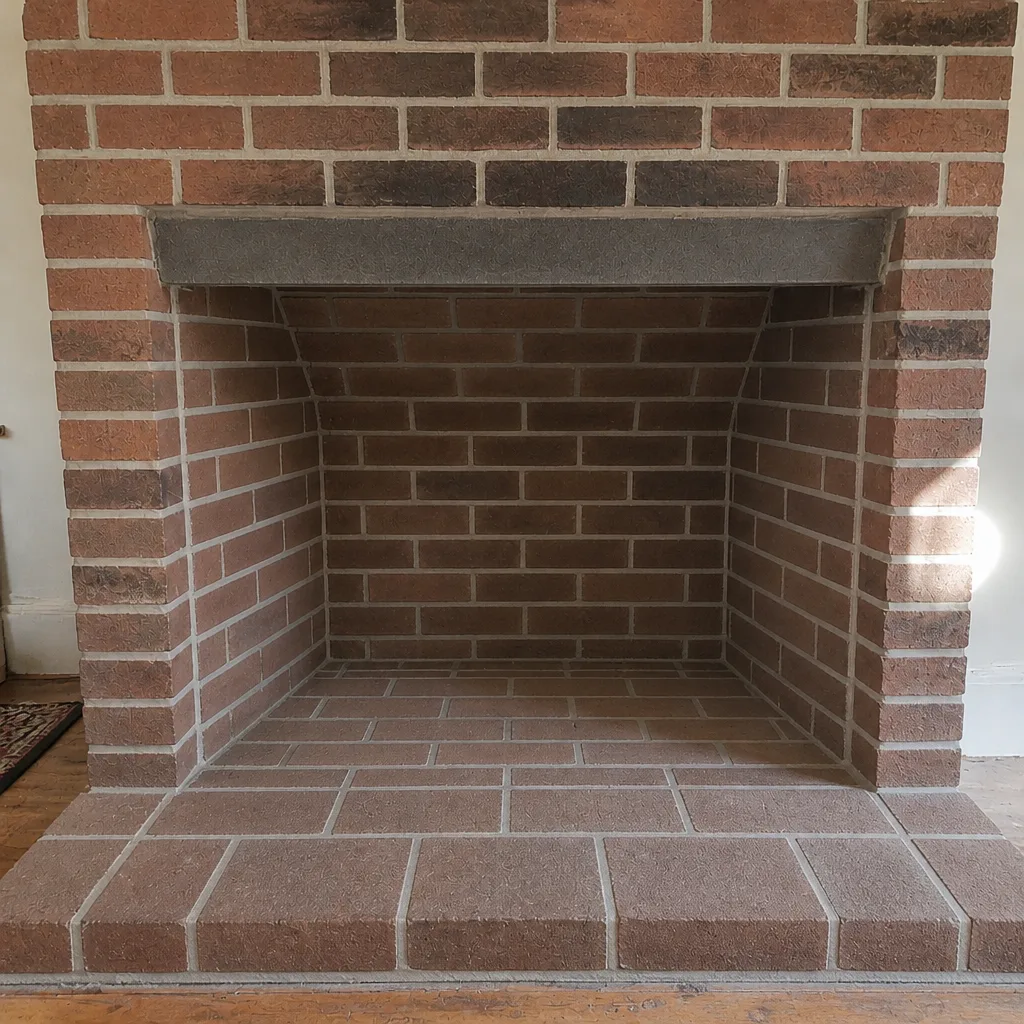 After
When to Call a Professional
Call us for any of the following: you’re moving into an older home in Boulder and haven’t seen a recent inspection report; you notice soot falling into the firebox; the fireplace smokes into the room at startup; you hear animals in the chimney; you’ve had a chimney fire; the cap or crown looks damaged after a hail event; or it’s simply the annual sweep. If you’re facing a larger structural issue, say a cracked crown and a cracked flue liner together, one diagnostic visit is the right start because the full service span from sweep to chimney repair and cap work happens under one roof without coordinating separate contractors. Boulder Chimney Sweep Pros offers free estimates in Boulder, and our technicians have up to 15 years of experience. Call (877) 820-8761.
Frequently Asked Questions
Once a year for most households, timed for September or just before the burn season. Homes that use wood as a primary heat source may benefit from a mid-winter check on the flue if draft issues show up. Annual cleaning plus an annual inspection is the routine that protects both fire safety and the long-term life of the chimney.
Only if the inspection shows a cracked, deteriorated, or separated clay liner. A common scenario for a Boulder home is a flue tile with multiple hairline cracks after years of freeze-thaw cycles; in that case a HeatShield ceramic resurfacing or a DuraFlex flexible reline is the honest recommendation. We show you the camera footage so you can see exactly what the technician saw, and we’ll tell you plainly when the liner can safely wait.
Creosote builds up on the flue walls, and the more it builds up, the more of a fire risk the flue becomes and the harder it is to remove. Skipping the spring inspection also means freeze-thaw damage can deepen across a second winter. The compounding pattern – creosote inside, moisture damage outside – is the most common reason a small annual maintenance item becomes a repair project.
May sits just after the last spring freeze and before the summer drying season. The freeze-thaw damage from winter has already shown up in the mortar joints, sealant, and flue tiles, but the masonry hasn’t dried and shrunk enough to mask fine cracks. A spring inspection is the clearest look at the chimney all year.
In many cases, yes. The company works across the full chimney lifecycle, from cleaning through inspection, fireplace and chimney repair, and cap and crown work. One diagnostic call can resolve multiple chimney issues without coordinating separate contractors, and we use Copperfield, Famco, and other professional-grade product lines for cap and crown materials.
The cap and crown. Hail can dent a metal cap, crack the crown, or knock the cap out of alignment. Get on the roof only if you’re comfortable and safe; otherwise a quick inspection by a technician is the practical check. A loose cap lets animals in and lets rain run down the flue.
Call (877) 820-8761 for an exact quote on any seasonal chimney task – estimates are free.
The Bottom Line
Boulder’s seasonal swings make chimney care a year-round responsibility, not a fall checklist item. The spring thaw is when mortar and sealant damage surfaces, so May is the inspection month. Summer is when hail and wildlife threaten caps and flues. September beats October for the pre-season clean because early cold snaps arrive fast. And winter burn patterns are the note that makes your next spring cleaning specific. Put the four seasons together and the result is a fire-safe, water-tight chimney, an annual sweep you can plan for, and no surprises on the first cold night. Boulder Chimney Sweep Pros handles the full span, from cleaning through inspection, fireplace and chimney repair, and cap and crown work with professional-grade brands. Call us for a free estimate when you’re ready.
Ready to schedule your seasonal inspection or pre-season sweep in Boulder? Call (877) 820-8761 for a free estimate. We answer 24/7. Fast dispatch from 7am to 7pm, Sunday through Friday.
Written by the team at Boulder Chimney Sweep Pros.