
Last updated November 25, 2026
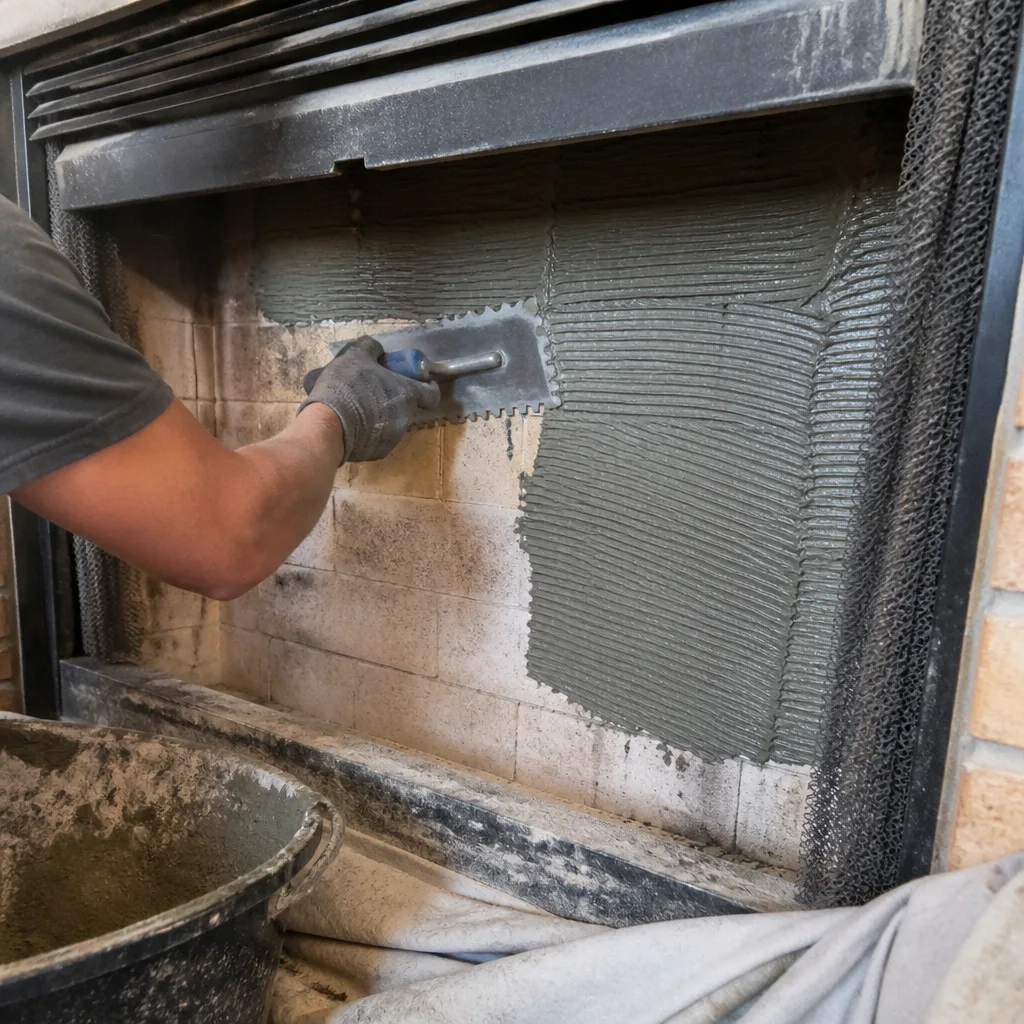
 Sweep & inspection
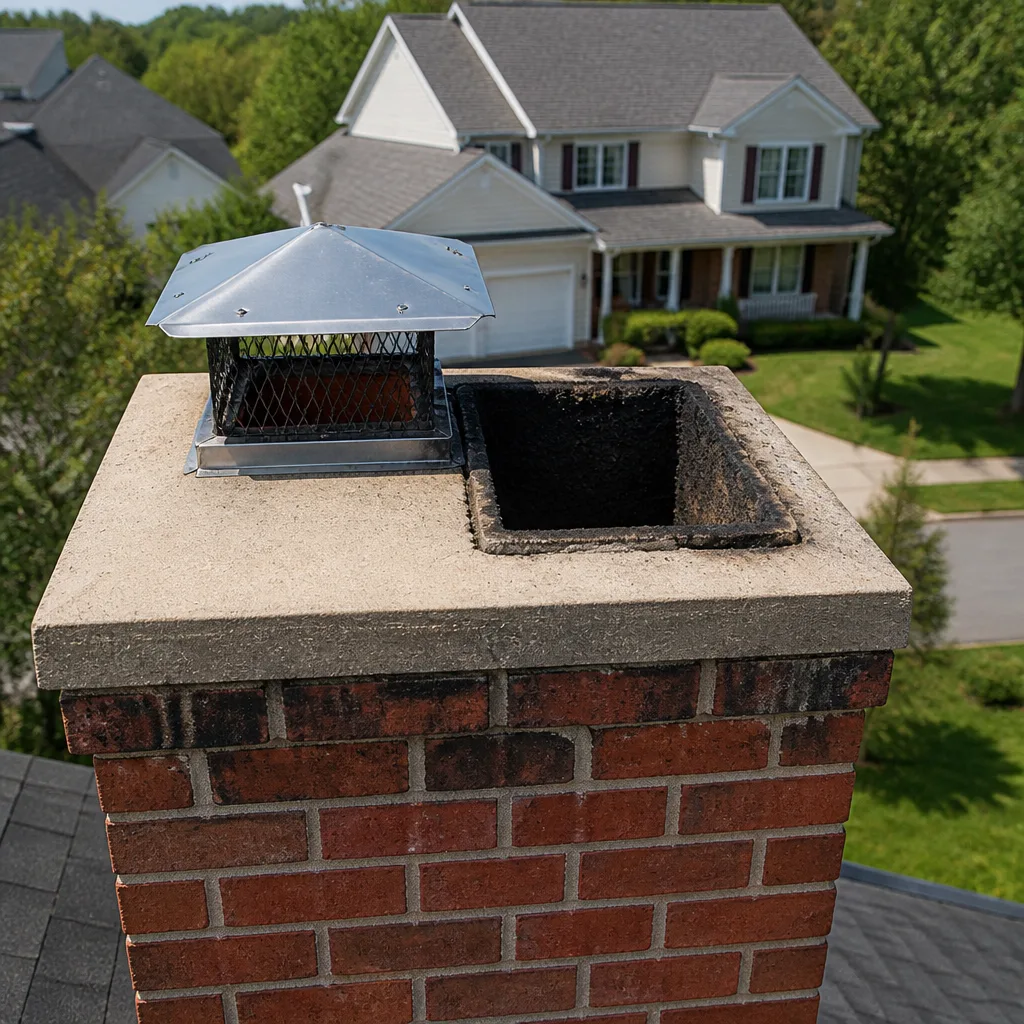
 Caps & crowns
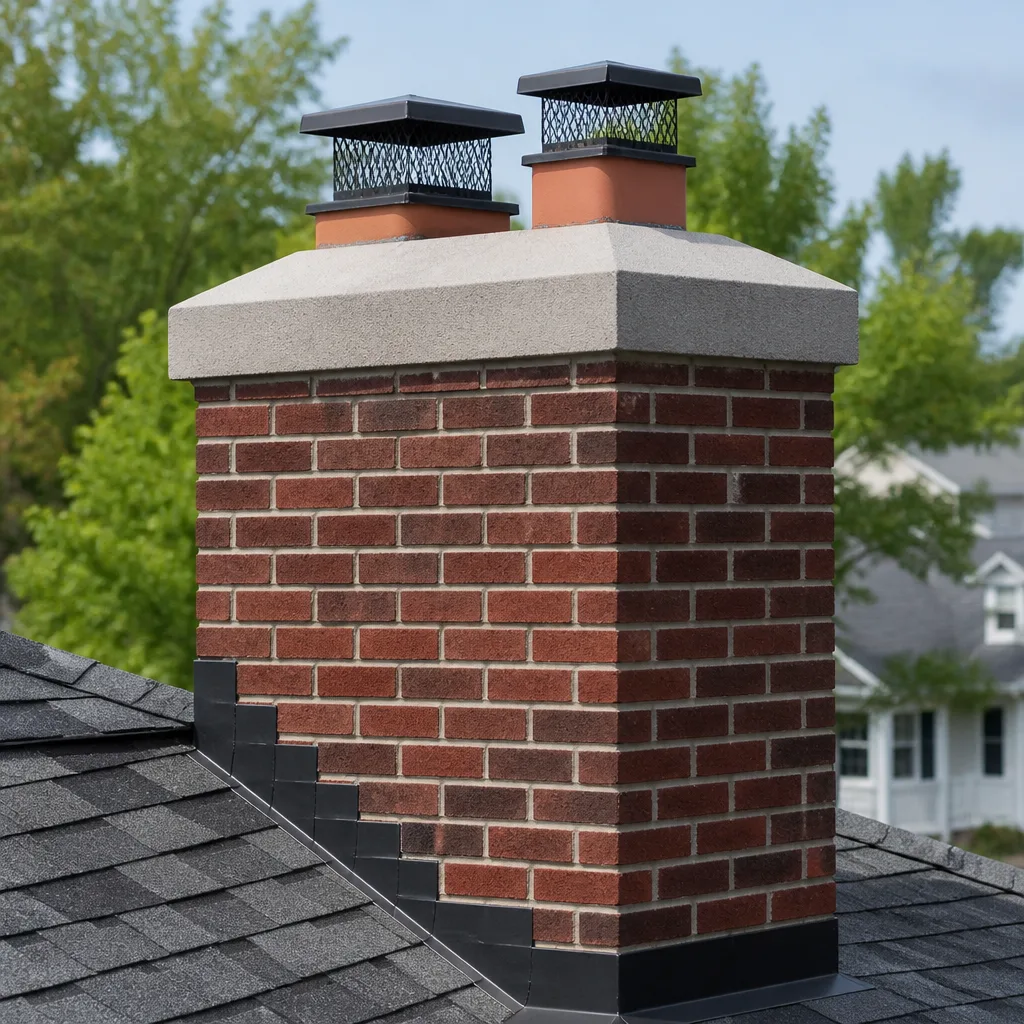
 Flue relining
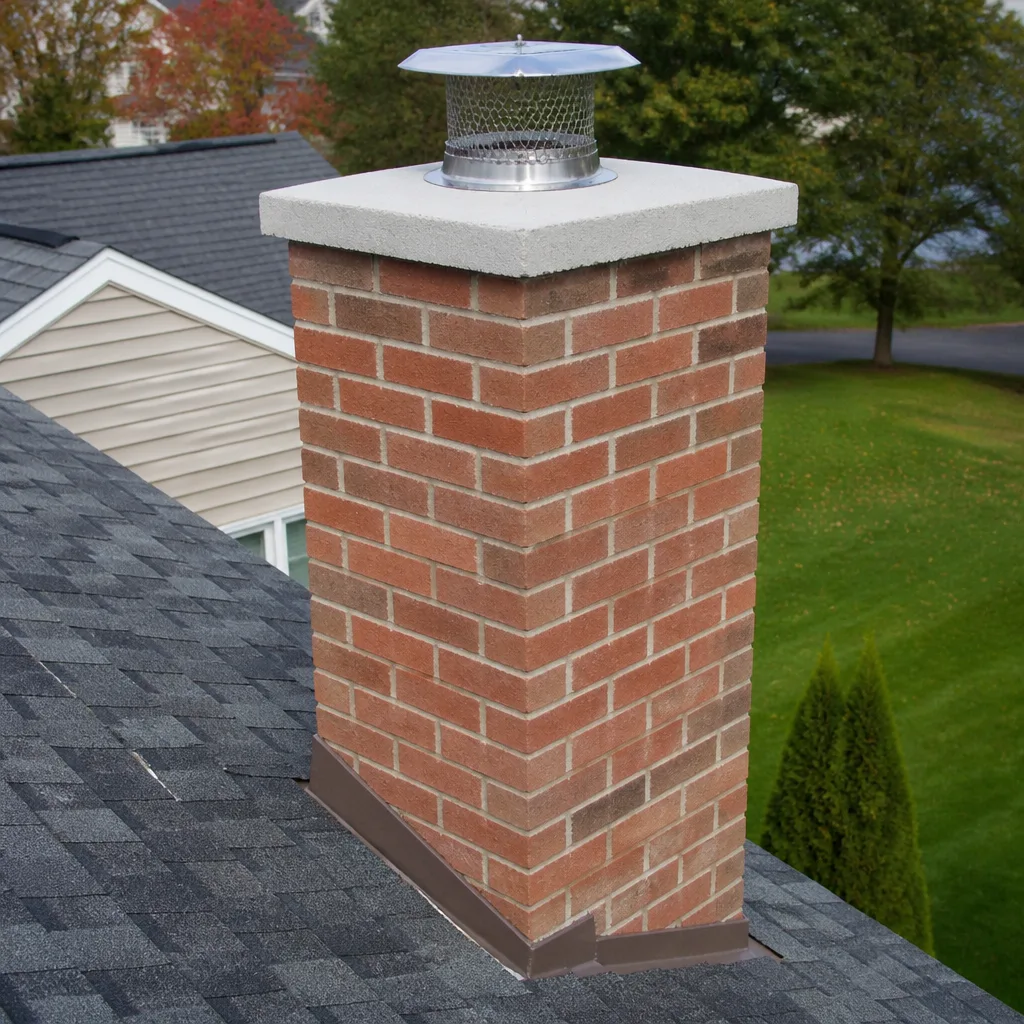
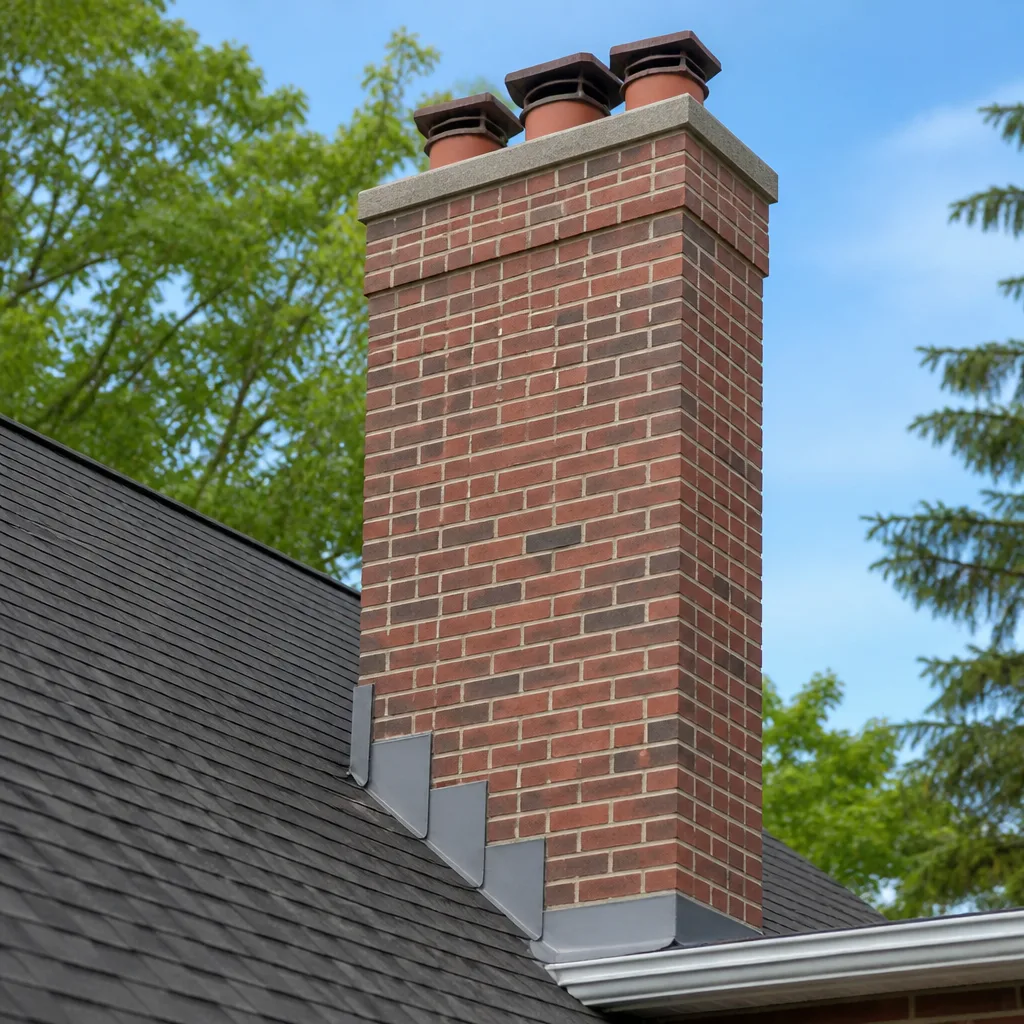 Masonry repair
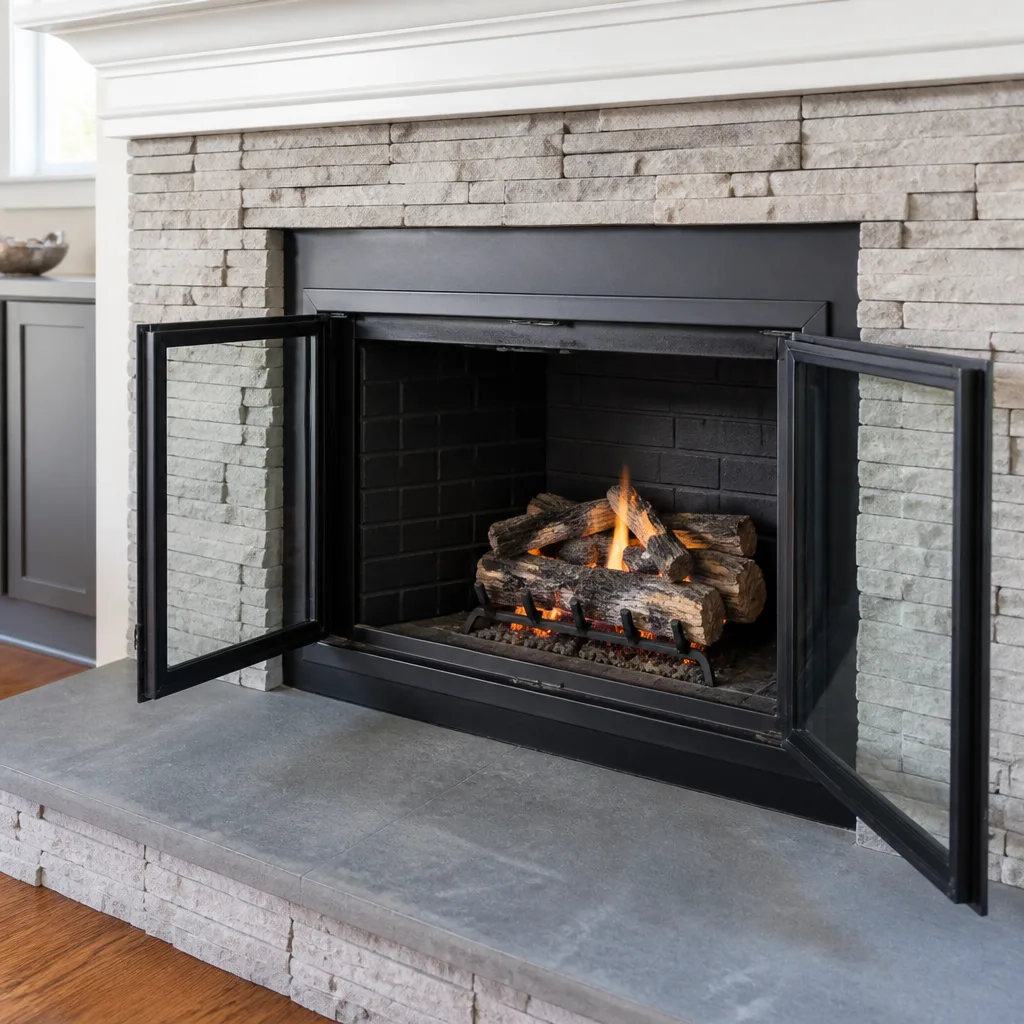 Gas fireplace service
Level 1 sweep and inspection to the NFPA 211 annual standard - flue, crown, cap, and flashing checked and photographed
Chimney sweep logs do not sweep chimneys. They loosen some creosote - which then falls where a brush and vacuum still have to collect it.
Chimney Cleaning Permits, Codes & Inspections in Boulder, CO: What You Need to Know
Most chimney work in Boulder needs no permit at all. That surprises people, and it’s where trouble starts. A routine sweep is maintenance. The moment a job turns into structural repair, liner replacement, or connecting an appliance to a flue, it crosses a line into code compliance, and that line is invisible to most homeowners until a buyer’s inspector or an appraiser asks for documentation that doesn’t exist. We’ve watched this play out during real estate transactions, where missing permit records on a liner job turn into delays, re-inspections, and negotiations. This guide explains exactly where the permit threshold sits in Boulder, how NFPA 211 shapes what inspectors look for, what a Level 2 report actually means at sale time, and how to check a home’s chimney permit history before you buy. You’ll finish knowing which work needs paperwork and which simply needs a good sweep.
Quick Answer
In Boulder, routine chimney cleaning and annual inspection generally do not require a permit. Structural chimney repair, flue liner replacement, and new appliance connections usually cross into permit territory because they must meet the technical standard in NFPA 211 and local building codes. The fastest way to know where your job lands is a documented inspection before any work is quoted. We answer 24/7 at (877) 820-8761, with fast dispatch from 7am to 7pm, Sunday through Friday.
Styles & brands we work with
- Sweep & inspection
- Caps & crowns
- Flue relining
- Masonry repair
- Gas fireplace service
Table of Contents
- Where Does Maintenance End and Permit-Required Work Begin in Boulder?
- How Does NFPA 211 Drive Boulder Inspection Criteria?
- What Does a Level 2 Inspection Report Mean in a Boulder Real Estate Transaction?
- How Do You Pull Permit History on a Boulder Home’s Chimney?
- Who Is Responsible for the Permit: Contractor or Homeowner?
- What Boulder’s Climate Does to Chimney Systems and Inspection Findings
- What Happens During a Professional Chimney Inspection: Step by Step
- How to Build a Chimney Records File That Survives a Sale
Where Does Maintenance End and Permit-Required Work Begin in Boulder?
Routine cleaning, a visual safety check, and installing a chimney cap usually don’t require a permit in Boulder. Anything that changes the structure of the flue, replaces a liner, or ties a stove or insert into the chimney system generally does, because it has to meet NFPA 211 and city building code. The dividing line is structural change, not difficulty or cost.
Here’s the practical split we use when a homeowner asks in Boulder:
- Generally no permit: sweeping the flue, a Level 1 visual inspection, replacing a missing or damaged chimney cap, minor crown caulking, and standard maintenance on an existing fireplace.
- Usually permit-required: installing or replacing a flue liner, relining a chimney with a flexible stainless system, rebuilding a chimney above the roofline, adding a wood stove or insert with a new flue connection, and any work that alters the chimney’s clearances or structural integrity.
The reason this matters in Boulder isn’t just paperwork. Work that skips a permit still has to be done to code, and when a buyer’s inspector flags an unpermitted liner, the seller has to prove it was installed correctly after the fact. That’s often harder and more expensive than pulling the permit in the first place. It’s the kind of gap that surfaces at the worst possible moment.
When a job falls squarely in maintenance, our chimney sweep visit handles it and we document what we found. When it crosses into structural repair, we say so up front, before a quote, and explain what the permit path looks like.
How Does NFPA 211 Drive Boulder Inspection Criteria?
NFPA 211 is the national standard for chimneys, fireplaces, vents, and solid fuel appliances. It’s the technical spine behind what a Boulder inspector looks for and what local building officials reference when they review chimney work. Colorado code doesn’t reinvent the rules; it adopts this standard, which is why understanding it matters whether you’re a homeowner doing a pre-buy inspection or a seller trying to close a deal.
In plain terms, NFPA 211 covers:
- Clearances between combustible materials and the chimney or flue, including the correct use of masonry or listed connectors.
- The condition of the flue liner, including whether cracks, gaps, or spalling compromise the flue’s ability to contain combustion byproducts.
- Chimney height and termination requirements relative to the roofline.
- How appliances are vented, and whether a new connection is sized correctly for the flue.
The standard also defines the three levels of inspection: Level 1 (visual, for routine maintenance), Level 2 (includes the accessible portions of the flue and attic, plus documentation, and is required after a change in the system or during a sale), and Level 3 (a diagnostic inspection that opens up parts of the system when there’s reason to believe something is wrong).
For Boulder homeowners, the practical takeaway is that “it passed a sweep” isn’t the same as “it meets NFPA 211.” A sweep cleans. An inspection measures against the standard. When we find a cracked flue liner, we use the HeatShield ceramic resurfacing system to restore it rather than recommending full demolition, but we don’t recommend it without camera evidence you can see for yourself. That’s the diagnostic integrity piece: we inspect before we recommend.
What Does a Level 2 Inspection Report Mean in a Boulder Real Estate Transaction?
A Level 2 inspection report is the single most useful chimney document in a Boulder real estate deal. It documents the condition of the flue, the appliances, and the accessible structure, and it’s the standard most buyers’ inspectors and lenders will look for. Where a simple sweep record says “cleaned,” a Level 2 report says exactly what was found, on camera, with photos.
Why it matters in Boulder specifically: the city has a lot of older homes where the chimney has been through several owners, appliances have been swapped over time, and the paperwork scattered or lost. At sale, the buyer’s inspector will note a missing liner listing, an unpermitted stove connection, or a cracked flue, and the deal can stall on an unexpected repair.
A thorough Level 2 inspection in a Boulder home typically includes:
- Exterior and interior visual inspection of the chimney, firebox, flue, and appliance connections.
- Camera inspection of the accessible flue lining to identify cracks, gaps, and defects that a visual check from the damper misses.
- A photo report showing what was found, so buyer and seller are looking at the same evidence.
- A written summary of any defects and what a code-compliant repair would involve.
If you’re buying in Boulder, ask for the report from the seller’s sweep. If they can’t produce one, a fresh Level 2 from us or another certified inspector is the safer starting point. Camera inspection and a photo report are included because the point of the report is evidence, not a guess.
How Do You Pull Permit History on a Boulder Home’s Chimney?
You can check a Boulder home’s chimney permit history through the city’s building department and permit records. It’s not a secret file, but it does take knowing what to ask for. The records tell you whether a liner, stove connection, or chimney rebuild was done with a permit, and that tells you whether the work went through an inspection.
Here’s the approach we recommend:
- Start with the city’s online permit portal. Search by address and pull up the property’s building permit history. Look specifically for any permit tied to the chimney, fireplace, or wood heating appliance.
- Ask the seller for documentation. A permit record with a final inspection is the strongest sign the work met code. A receipt from a chimney company is not a substitute, because it proves the work happened but not that it was reviewed.
- Check the appliance itself. A wood stove or insert should have a listing plate. If a fireplace was converted or an insert added, there should be a permit for the connection.
- Order a Level 2 inspection. If the history is thin or missing, a camera inspection is the practical way to verify the liner is in good condition regardless of what the paperwork says.
Gaps in the history suggest one of three things: work that predates permit requirements, work done without a permit, or work done by a previous owner and lost to time. Any of those is a strong reason to inspect before you move in. When we find a liner that’s cracked or deteriorating, we can restore it with HeatShield ceramic resurfacing or, in cases where the chimney is older masonry or has complex offsets, reline it with a DuraFlex flexible stainless system that fits where a rigid liner can’t. Either way, the new work gets done right and documented.
Who Is Responsible for the Permit: Contractor or Homeowner?
In most cases, the contractor or the chimney company pulls the permit for structural repair work. The homeowner is ultimately responsible for ensuring the permit exists and the work is inspected, even if the contractor handles the filing. That’s why choosing a company that works in permit territory matters, and why we frame it as a partnership rather than a handoff.
What our role involves when repair work crosses into permit territory:
- Identifying whether the job requires a permit before quoting it, so you’re not surprised later.
- Working within the local building department’s process and doing the work to NFPA 211 and Colorado code.
- Documenting the work with photos so the file is there if you sell the home.
What stays with you: the inspection record, the permit number, and the knowledge that the job was checked. We tell homeowners to keep that paperwork with the home’s important documents. It’s a small habit that heads off a big conversation at sale time.
When a repair is straightforward, we also say so and skip the permit conversation. If a cracked liner can safely wait, we tell you. Not every truck roll needs to become a project, and not every project needs a permit. Knowing which is which is the whole point of a documented inspection.
What Boulder’s Climate Does to Chimney Systems and Inspection Findings
Boulder’s climate is hard on chimneys in a way that coastal cities aren’t. You get large temperature swings, dry periods followed by snowmelt, and a long heating season that means the chimney sees a lot of cycles of hot flue gas and cold exterior masonry. That freeze-thaw movement is what cracks crowns, loosens mortar, and drives water into places a visual check from the firebox won’t reach.
Three things we see repeatedly in Boulder homes:
- Cracked crowns and deteriorated mortar at the roofline. Water gets in, freezes, expands, and widens the crack. The cycle repeats every winter.
- Cracked flue liners from heat stress and movement, which is why the camera inspection matters more than a look up from below.
- Missing or damaged chimney caps that let rain, snow, and wildlife into the flue. Cap and crown work is often the first-line protection against water damage, and it’s part of what keeps a chimney system fire-safe and water-tight.
Fireplace and chimney repair is where this climate pays off in real findings. If the crown is failing, a cosmetic patch in spring will look fine in July and crack again by the first hard freeze. The repairs that last are the ones built for the cycles Boulder puts a chimney through: proper crown rebuilding, sound cap installation, and a flue liner that’s actually intact. We lean on products from established chimney brands for those jobs (Famco and Copperfield for functional repairs and finishing details) because the materials have to survive the next ten winters, not just the next season.
When the repair scope goes beyond maintenance, our chimney repair team walks through what’s involved, including any permit steps and the code requirements tied to the work.
What Happens During a Professional Chimney Inspection: Step by Step
A professional chimney inspection follows a defined sequence, not a quick look up the flue. Most Boulder homes are well served by a Level 2 inspection for a sale or a change in the system, while a Level 1 covers routine annual maintenance. Here’s the sequence we follow, and what it’s designed to find.
- Visual exterior check. We look at the chimney crown, cap, and masonry above the roofline for cracks, spalling, and signs of water intrusion.
- Firebox and damper inspection. We check the firebox for damage and the damper for proper operation.
- Camera inspection of the flue. The camera looks beyond what the eye can see from the damper, catching liner cracks, gaps, and buildup.
- Appliance and connection check. For a wood stove or insert, we check how it connects to the flue and whether the connection meets code.
- Attic and accessible space review. On a Level 2, we inspect the accessible portions in the attic to verify clearances and chase condition.
- Photo report and written findings. We document what we found and give you a written summary, not a verbal guess.
Sweeping happens as part of the visit when it’s needed, but it’s not the main event. The purpose of the inspection is to find out whether anything crosses into safety or code territory before you schedule another fire. The written estimate sets the final price, and nothing is recommended that we can’t show you on camera.
How to Build a Chimney Records File That Survives a Sale
A chimney records file is a simple folder of documentation: inspection reports, camera photos, permit numbers, work invoices, and the dates each was done. It’s the difference between a smooth sale and a stalled one. Boulder buyers’ inspectors will ask about the chimney, and a homeowner with a clean file answers in a minute.
What to keep in the file:
- The most recent inspection report with photos.
- Any permit number and final inspection paperwork for liner, stove, or rebuild work.
- Product names for any installed components (for example, a DuraFlex flexible stainless liner or HeatShield ceramic resurfacing) so a future inspector knows what’s in the flue.
- Dates of every sweep and every repair.
The payoff goes beyond the sale. A records file means you know when the liner was replaced, whether the crown was rebuilt, and how old the cap is. That’s what a maintenance plan grounded in documentation looks like: not a promise to remember, but a written record. When we do repair work, we hand over photos and paperwork so the next owner inherits a clear story instead of a mystery.
If you’ve just moved into a Boulder home and don’t know what’s in the flue, the safest first step is a documented inspection. We’ll tell you what’s sound, what’s questionable, and what can safely wait.
Common Mistakes to Avoid
- Assuming a sweep covers code compliance. A sweep cleans; it doesn’t certify that the flue liner, clearances, and appliance connections meet NFPA 211. Ask for an inspection report, not just a receipt.
- Pulling a permit but skipping the final inspection. The permit record is only as strong as the final inspection. Without it, a buyer’s inspector may treat the work as unverified.
- Treating a fireplace insert as a piece of furniture. An insert or wood stove needs a proper flue connection and, usually, a permit. Installing one without both is where a lot of Boulder homes end up with paperwork gaps.
- Ignoring cracked crowns in the fall. Water intrusion from a failed crown at the roofline shows up as interior dampness months later. Catch it before the first hard freeze.
- Taking a verbal “it’s fine” as a report. Camera evidence and a photo report travel with the house; a verbal assessment doesn’t.
- Buying a home with a converted fireplace and no documentation. A converted or lined flue without a permit or inspection record is the most common source of surprise at closing. Order a Level 2 before the inspection period closes.
- Using a general handyman for liner work. Flue liner replacement, HeatShield resurfacing, and appliance connections are specialist work with code implications. What a handyman calls maintenance can land squarely in permit territory.
See the difference
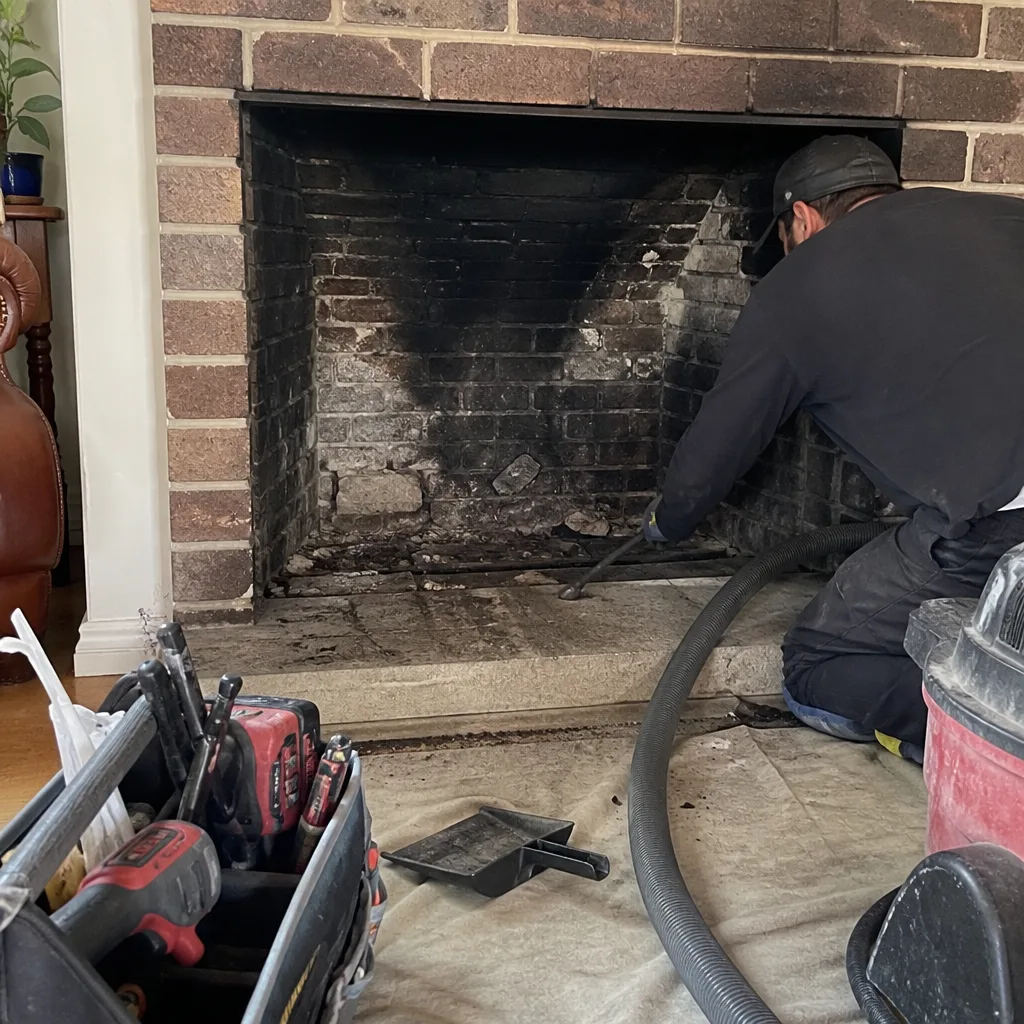 Before
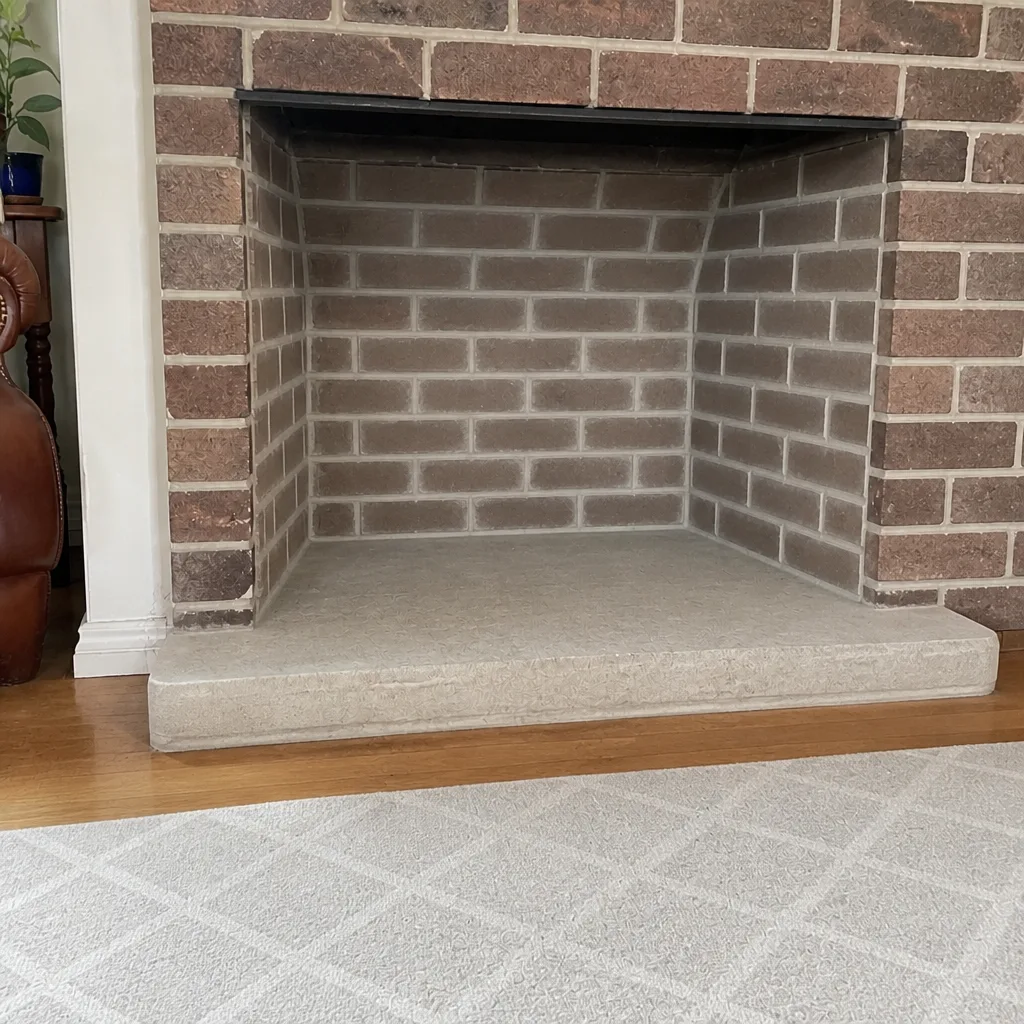 After
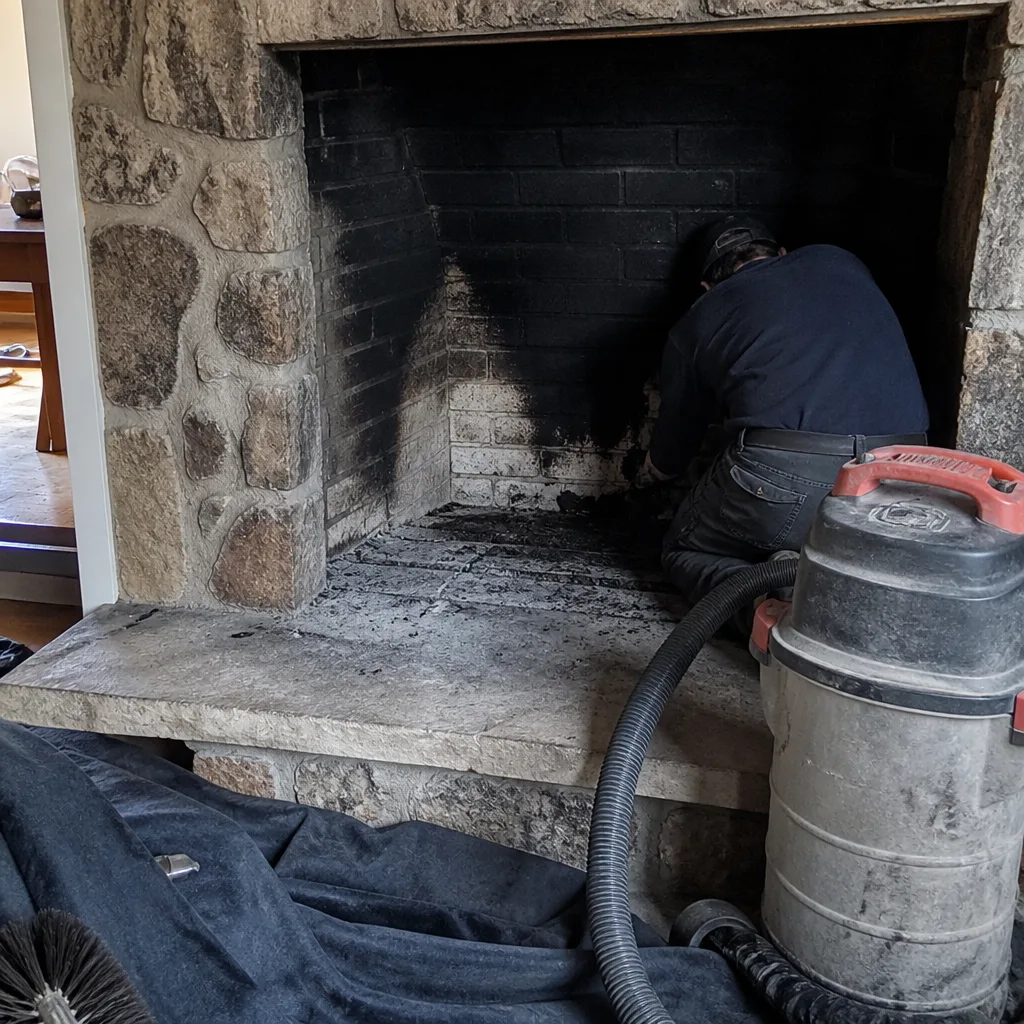 Before
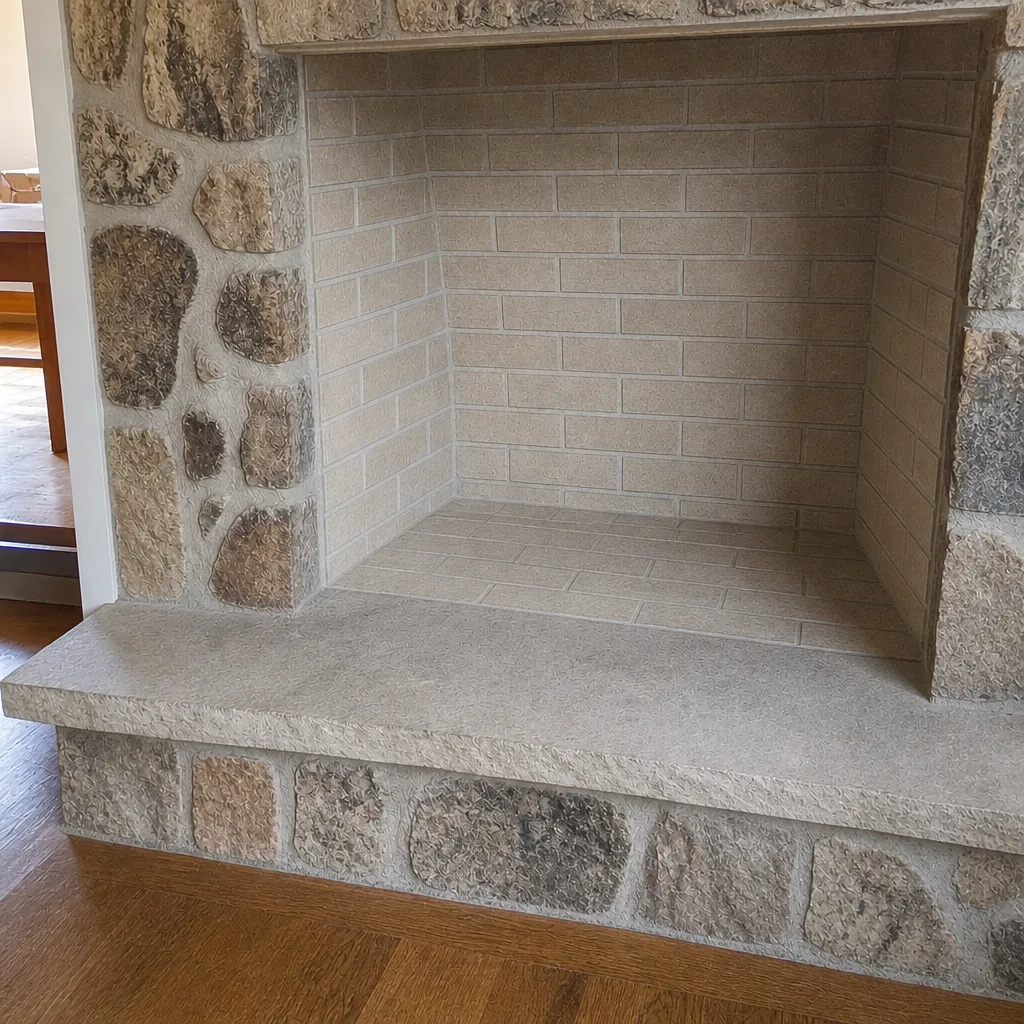 After
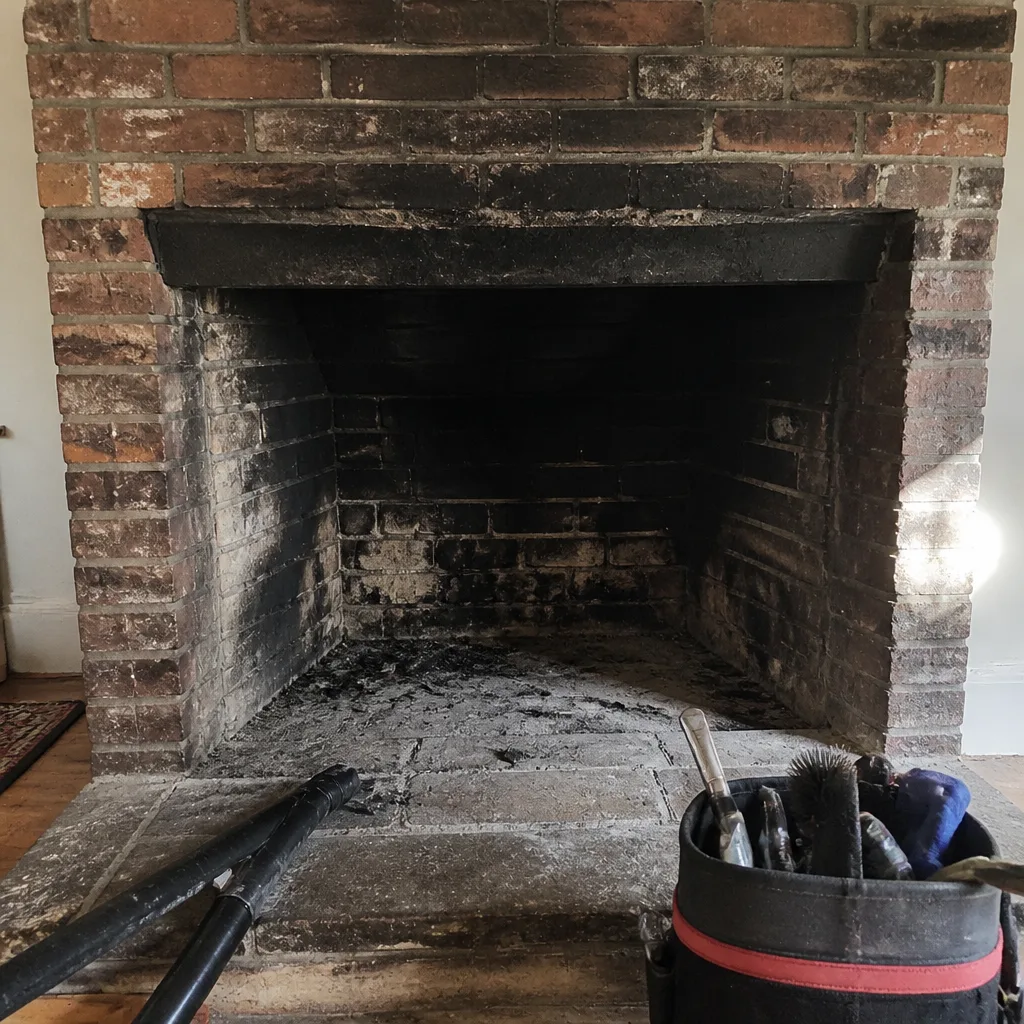 Before
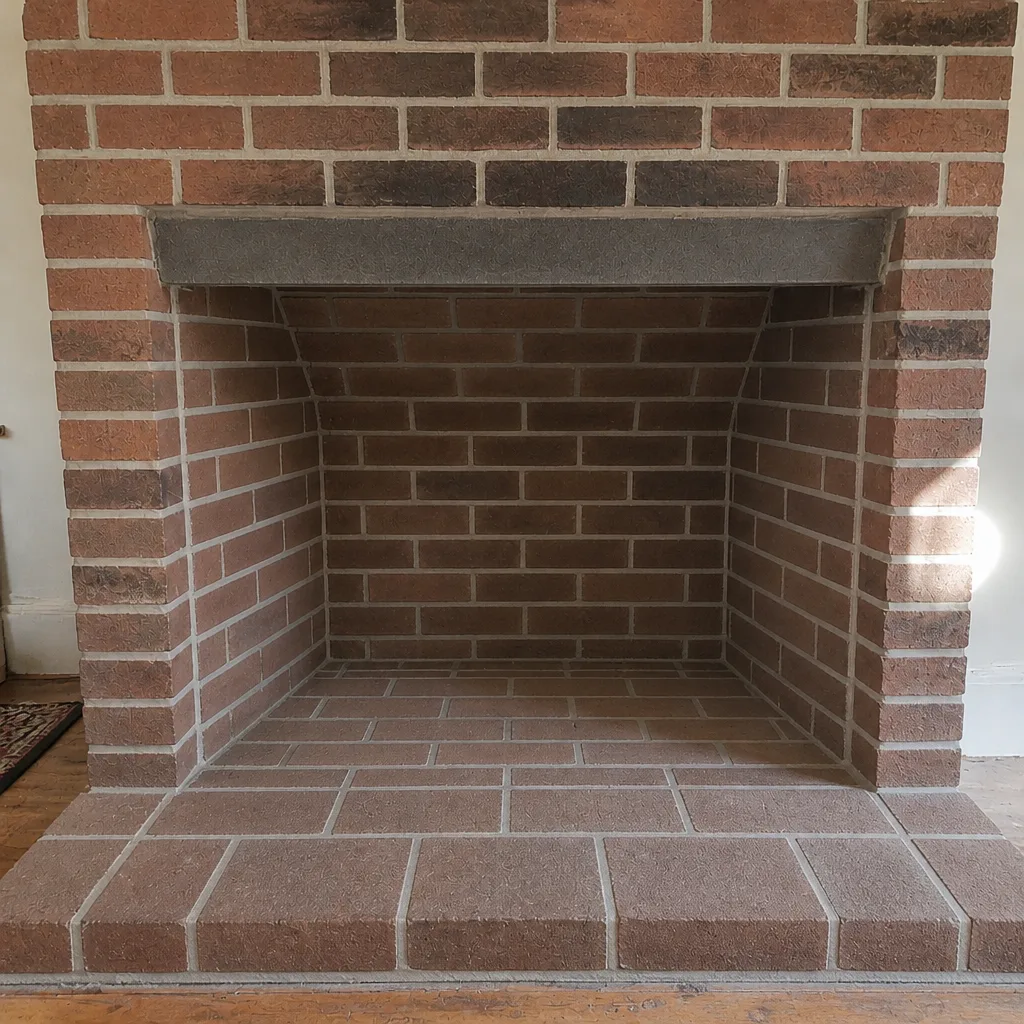 After
When to Call a Professional
Call a professional when your chimney has never been inspected, when a wood stove or insert has been added without documentation, or when you’re buying or selling a Boulder home and the chimney paperwork is thin. Call when you see a cracked crown, a missing cap, or water stains near the firebox, or when a sweep tells you the liner might need work. Those are the moments a documented inspection and a certified liner installation matter, because the work has code consequences.
We connect Boulder homeowners with vetted local professionals; those technicians work within Colorado code and to NFPA 211. Our technicians have up to 15 years of experience. Boulder Chimney Sweep Pros offers free estimates in Boulder. Call (877) 820-8761. We answer 24/7, with fast dispatch from 7am to 7pm, Sunday through Friday. The written estimate sets the final price, and nothing is recommended that we haven’t shown you first.
Frequently Asked Questions
No. Routine chimney cleaning in Boulder doesn’t require a permit, because it’s maintenance and not structural work. A permit generally only comes into play when a job involves a liner replacement, a chimney rebuild, or a new appliance connection. Call (877) 820-8761 for an exact quote on a documented inspection; estimates are free.
In most cases, yes. A liner replacement changes part of the chimney system and must meet NFPA 211 and local building code, so it typically requires a permit and a final inspection. The permit is the evidence that the liner was installed correctly, and that evidence is what a buyer’s inspector will ask for. Call (877) 820-8761 to set up an inspection and a written estimate.
A Level 2 inspection includes a visual check of the accessible chimney and firebox, a camera inspection of the flue, a check of appliance connections, and a review of the accessible attic portions. It produces a written, photo-documented report rather than a verbal opinion. That report is what stands up during a real estate transaction. Call (877) 820-8761 for an estimate.
Search the city’s building permit portal by address and pull up the property’s permit and final inspection records. Ask the seller for any paperwork tied to the chimney, liner, or stove, and if the history is incomplete, order a Level 2 inspection to verify the flue’s actual condition. The inspection settles what paperwork can’t. Call (877) 820-8761 to schedule one.
It can be, even when the work looks clean. Unpermitted work has no record of a final inspection, so a buyer’s inspector may treat it as unverified regardless of how it looks, and the seller may have to prove the liner was installed correctly after the fact. That’s why a camera inspection and a photo report matter: they give the flue a documented current state. Call (877) 820-8761 to get one on the books before the next sale.
In most cases the chimney contractor files the permit and the homeowner is ultimately responsible for making sure it exists and was inspected. Write it into the work agreement and ask for the permit number before the work starts. If a company can’t or won’t handle the permit for structural work, that’s a reason to reconsider. Call (877) 820-8761 to talk through what your specific job needs.
The Bottom Line
Routine chimney cleaning in Boulder needs no permit, and a lot of work stops there. The moment a job involves structural repair, a liner replacement, or a new appliance connection, the picture changes: NFPA 211 and Colorado code apply, and a final inspection is the evidence a buyer’s inspector will look for. Build the paper trail as you go. Keep inspection reports, photos, permit numbers, and product names in a file. When you don’t know what’s in a flue, order a documented inspection before anything is quoted. That’s what we do at Boulder Chimney Sweep Pros: inspect before we recommend, document what we find, and build repairs to last rather than patch them to pass.
Call (877) 820-8761 for a free estimate on any Boulder Chimney Sweep Pros service, from a routine cleaning to fireplace repair and full liner work. We answer 24/7, with fast dispatch from 7am to 7pm, Sunday through Friday. The written estimate sets the final price, and the local pro is licensed and insured as their state requires.
Written by the team at Boulder Chimney Sweep Pros.