
Last updated November 25, 2026
 Sweep & inspection
 Caps & crowns
 Flue relining
 Masonry repair
 Gas fireplace service
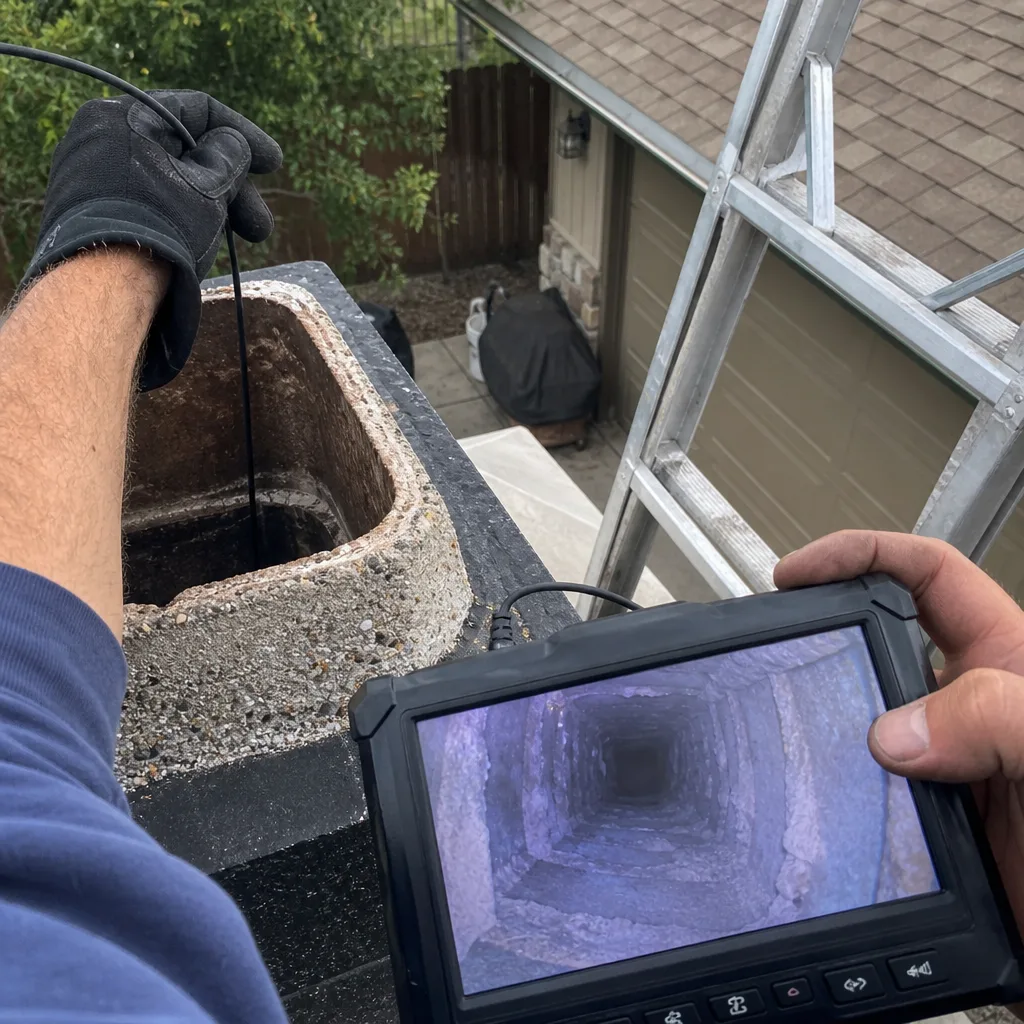
Level 1 sweep and inspection to the NFPA 211 annual standard - flue, crown, cap, and flashing checked and photographed
Chimney sweep logs do not sweep chimneys. They loosen some creosote - which then falls where a brush and vacuum still have to collect it.
Chimney Sweep Maintenance Checklist for Boulder Homeowners
Most chimney advice assumes a chimney degrades on a tidy yearly schedule. It doesn’t, especially here. Between the wind events that roll off the Flatirons, the freeze-thaw swing that cracks mortar in a single cold snap, and a burn season that starts early and runs long, a Boulder chimney can go from “looked fine in October” to “cap is gone and the flue is wet” without a calendar reminder ever firing. This guide gives you a checklist built around triggers instead of dates: wind, temperature swings, fuel type, and how many hours your firebox actually runs. You’ll learn what to check from the ground, what to log each season, what genuinely can’t wait, and what can safely sit until your next visit.
Quick Answer
A chimney maintenance checklist for Boulder homeowners should combine a yearly professional inspection and sweep with seasonal DIY checks tied to local triggers: a ground-level look after any high-wind event, a cap and crown check before and after the freeze-thaw season, and a burn-hours log you share with your sweep. Track cords burned and smoke behavior all season, then book a cleaning when you hit your burn-hour threshold or see a change in how the fire draws. Homeowners who use their fireplace regularly should schedule a professional cleaning and inspection once a year.
Styles & brands we work with
- Sweep & inspection
- Caps & crowns
- Flue relining
- Masonry repair
- Gas fireplace service
Table of Contents
- Why Boulder Chimneys Need a Trigger-Based Checklist
- The Post-Storm Ground-Level Check
- Tracking Burn Hours Instead of Relying on the Calendar
- What to Log Each Season
- Cap, Crown, and Flashing Checks for Boulder’s Freeze-Thaw Cycle
- What Needs a Professional Now vs. a Note for Next Visit
- The Annual Sweep and Inspection: What It Should Include
- Fuel Type Changes Your Checklist
Why Boulder Chimneys Need a Trigger-Based Checklist
A once-a-year reminder treats every chimney the same. Boulder weather doesn’t cooperate with that. The city sits against the Front Range, where downslope wind events can hammer exposed rooflines, and where Chinook warmth can push temperatures up and then crash them back down within days. Each one of those swings moves water into masonry, freezes it, and expands it. A cap that was anchored tight in the fall can be sitting crooked by the first big wind of winter, and a crown hairline that looked cosmetic can open into a real leak after a handful of freeze-thaw cycles.
That’s why the checklist in this guide works on triggers rather than a single yearly box to tick. Think of it as a living protocol with three inputs:
- Weather events – high wind, heavy rain, snowmelt, and rapid temperature swings that stress caps, crowns, and flashing.
- Burn hours and fuel – how hot and how often the chimney runs, and what you’re burning, which drives how fast creosote builds.
- Visible changes – smoke behavior, draft strength, and moisture you can spot from the ground.
The annual professional sweep and inspection is still the backbone. A trained eye catches what a homeowner can’t see from the yard: the inside of the flue, the condition of the liner, and early signs of damage inside the smoke chamber. Our technicians have up to 15 years of experience reading those signs, and we inspect before we recommend anything. But between visits, these checks keep small problems from becoming expensive ones. The goal is fire-safe and water-tight all year, not just on the day the sweep comes out.
If you’ve recently bought an older Boulder home, this checklist doubles as your first-year education. Older masonry chimneys often carry years of small issues, from a crown that was patched instead of repaired to a flue liner that’s cracked and hidden. A credible inspection before your first fire gives you a baseline you can track against every season after. For a full picture of that first visit, see our chimney sweep page.
The Post-Storm Ground-Level Check
After any high-wind event in Boulder, do a five-minute visual inspection from the ground before your next fire. You don’t need a ladder and shouldn’t get on the roof. Binoculars help, and a quick phone photo from a steady position gives you a comparison point for next time. This is the single most useful habit on the whole checklist, because wind damage shows up outside where you can actually see it.
Here’s what to look for, in order:
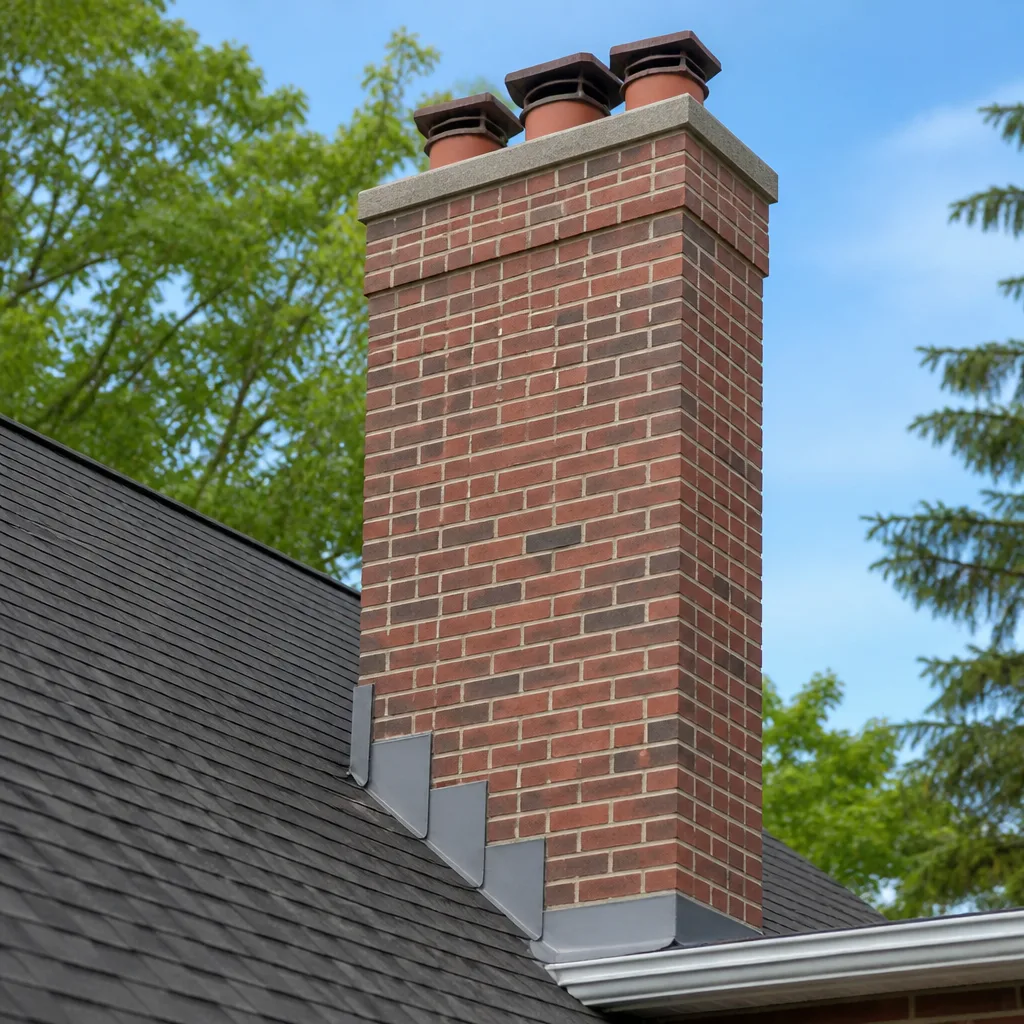
- Cap position. Is the chimney cap sitting level, or has it shifted, tilted, or gone completely? A displaced cap is the most common source of wind-driven water intrusion, and it’s visible from the yard.
- Debris on and around the cap. Branches, leaves, and grit collect on top of the cap screen. Blocked screen means the flue can’t breathe.
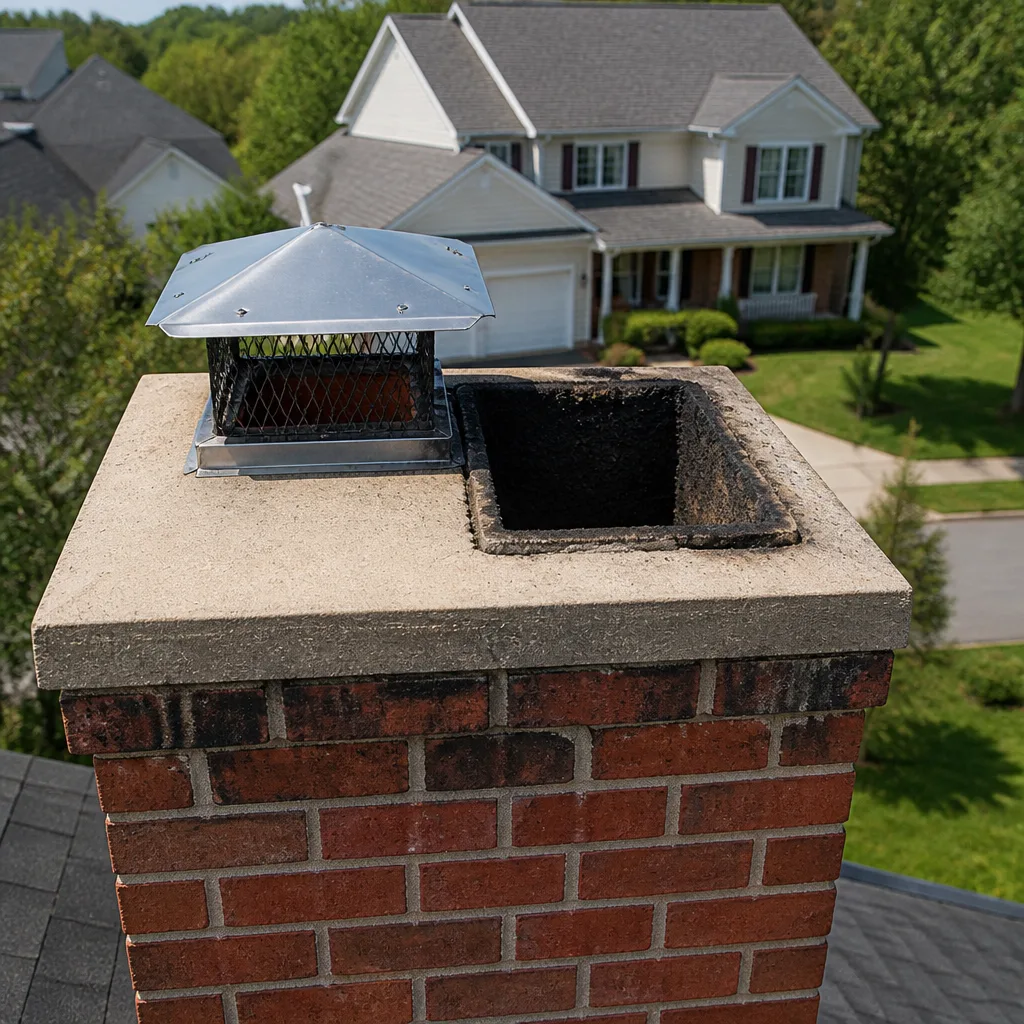
- Crown condition. Look at the concrete or masonry crown around the top of the chimney. Any new crack, chip, or gap between the crown and flue tile is worth flagging.
- Flashing and roof seal. Where the chimney meets the roof, check for lifted, torn, or missing flashing and for any staining on the chimney sides that suggests water is getting in.
- Masonry edges. Spalling (flaking) brick faces or missing mortar at the top courses often show up first at the edges wind hits hardest.
- Ground debris. Bits of mortar, brick, or cap material on the roof or ground below the chimney are a signal that something up top has failed.
The point of this check isn’t to fix anything. It’s to catch a change early and document it. A cap that’s been displaced is a water problem waiting for the next rain or snowmelt, and water is the quiet destroyer of masonry chimneys. A tilted cap or a crack you didn’t have before the storm belongs in your log, and depending on what you find, either on the list for your next visit or in the “call now” category we cover below. When in doubt, a free estimate from a professional settles it fast. Our chimney repair service covers cap, crown, and flashing work, so one diagnostic visit can resolve all of it.
Tracking Burn Hours Instead of Relying on the Calendar
How fast creosote builds depends on how hot your fire runs, how often, and what you burn. Two Boulder households can both sweep in October and have very different chimneys by March. One runs short, hot fires a few times a week; the other burns long, slow, smoldering fires all weekend with damp wood. The smoldering firebox produces more creosote, and a calendar reminder won’t know the difference.
That’s why a better trigger is burn hours. You don’t need a perfect meter. A simple mark on a notepad by the hearth, or a note on your phone, gets you the data your sweep actually needs. Start with a rough estimate of how many hours a week your fireplace runs, then track it season to season. For most homeowners, the practical trigger is this: rather than waiting for a specific date, track the season’s burn hours and book a cleaning when you’ve run a heavy season, or sooner if you notice any of the warning signs below.
Signs the chimney is telling you it’s time, not the calendar
- A stronger, more persistent creosote smell in the room, especially on warm days.
- Smoke that rolls back into the room instead of drawing up the flue.
- Darker, thicker smoke off the top of the chimney than in past seasons.
- Reduced draft, or a fire that’s sluggish to catch even with dry wood.
- Visible soot or creosote buildup at the damper or firebox opening.
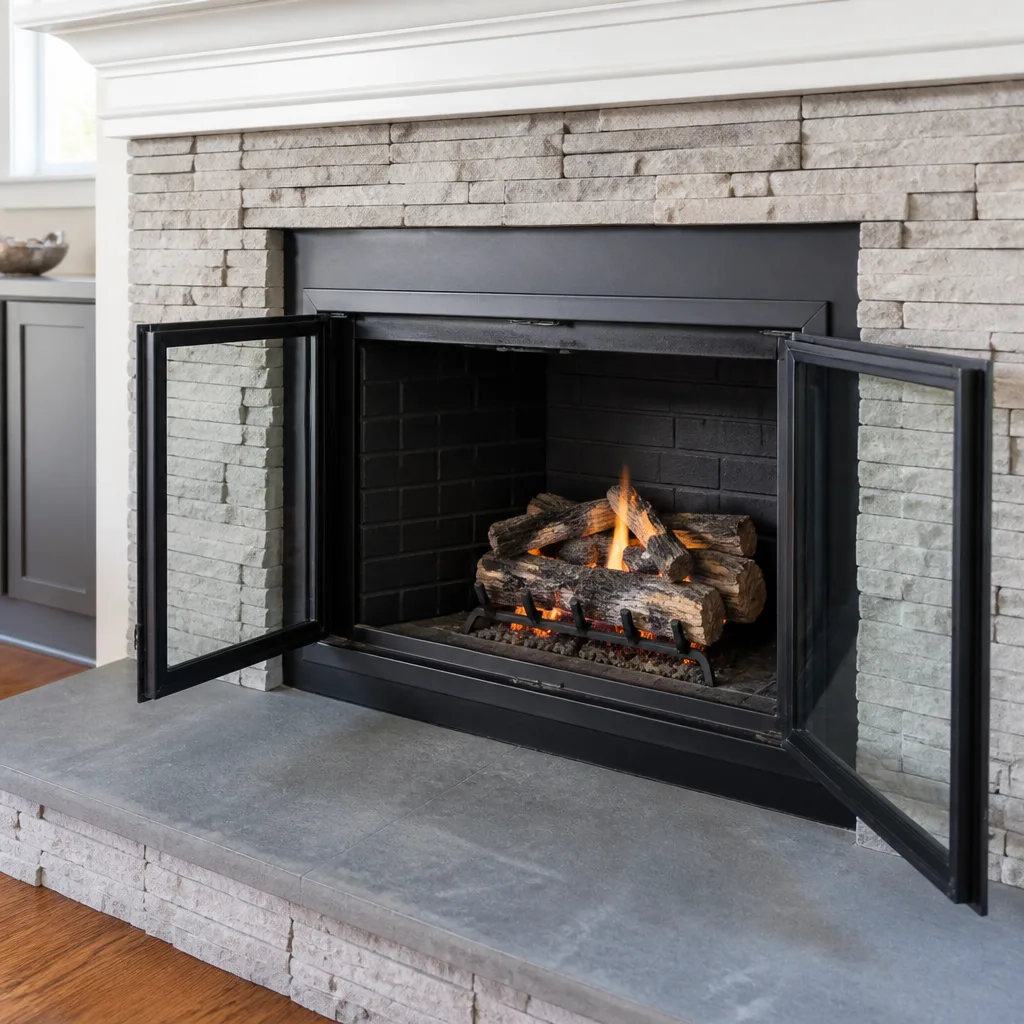
If you’re burning wood as your main heat source, your chimney does far more work than a decorative fireplace does. Gas fireplaces have a different schedule: they produce less creosote but still need an annual inspection for venting, and a gas log set still leaves debris that can block a flue. The best approach is to treat the annual sweep as the floor and your burn log as the reason to book earlier if the season runs hot. When you know roughly how many hours you’ve burned, your sweep can look for the specific problems that heavy-use chimneys develop.
What to Log Each Season
A short log beats a long memory. You don’t need a spreadsheet, but a few consistent notes give your sweep useful diagnostic data and let you spot trends over seasons. Here’s what’s worth writing down each year:
- Fuel type. Wood, gas, or pellet, and if wood, whether it’s seasoned hardwood, softwood, or mixed. This tells a sweep what kind of creosote to expect.
- Estimated cords burned. A rough count for the season. Even “about a cord” or “two-plus” is useful data.
- Burn hours. An estimate is enough, tracked from your notes as above.
- Visible smoke behavior. Was the smoke clear off the top, or thick and slow? Any backdraft on windy days?
- Weather damage you spotted. Caps shifted, cracks that appeared, flashing issues after a storm.
- Anything new. A change in draft, a stronger smell, moisture inside the firebox, or noise from the flue.
Pair the log with a couple of dates: when you last had the chimney swept and inspected, and any repairs that were made. When a sweep arrives, that log turns a routine visit into a focused one. Our team inspects before recommending anything, and photos from a camera inspection are shown to you, so you can see the evidence for yourself rather than take a recommendation on faith. That’s the standard we hold to on every visit, and it starts with the data you bring to the appointment. If you want the big-picture view of what a sweep and inspection involves, the guide on our home page at Boulder Chimney Sweep Pros is a good place to start.
Cap, Crown, and Flashing Checks for Boulder’s Freeze-Thaw Cycle
Water causes more chimney damage in Boulder than fire does, and the freeze-thaw cycle is the reason. Water gets into a hairline crack in the crown, freezes overnight, expands, and widens the crack. Repeat that over a Front Range winter and a small cosmetic flaw becomes a path for water to reach the masonry and the flue. The cap, crown, and flashing are the three defenses that stop it, which is why they belong at the top of your checklist, not the bottom.
Each one fails in a predictable way, and each is visible from the ground with a careful look:
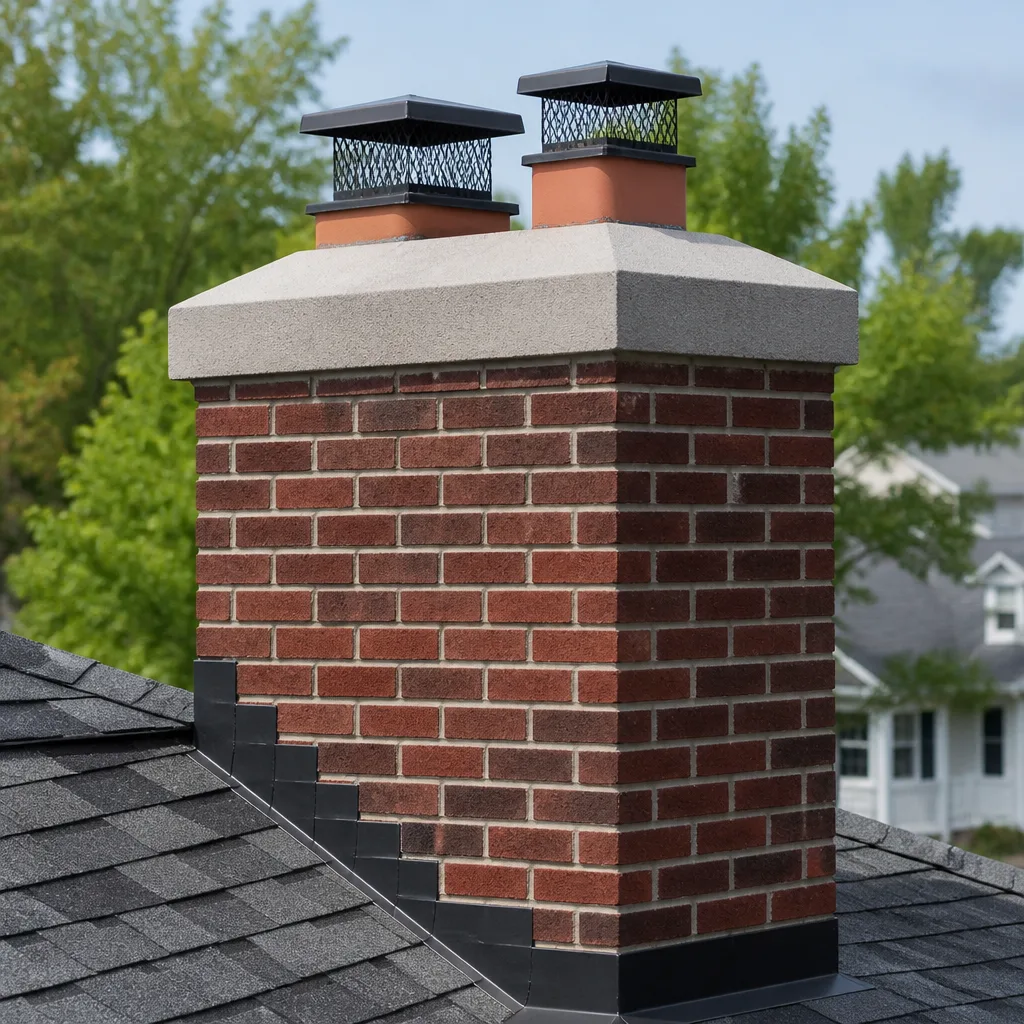
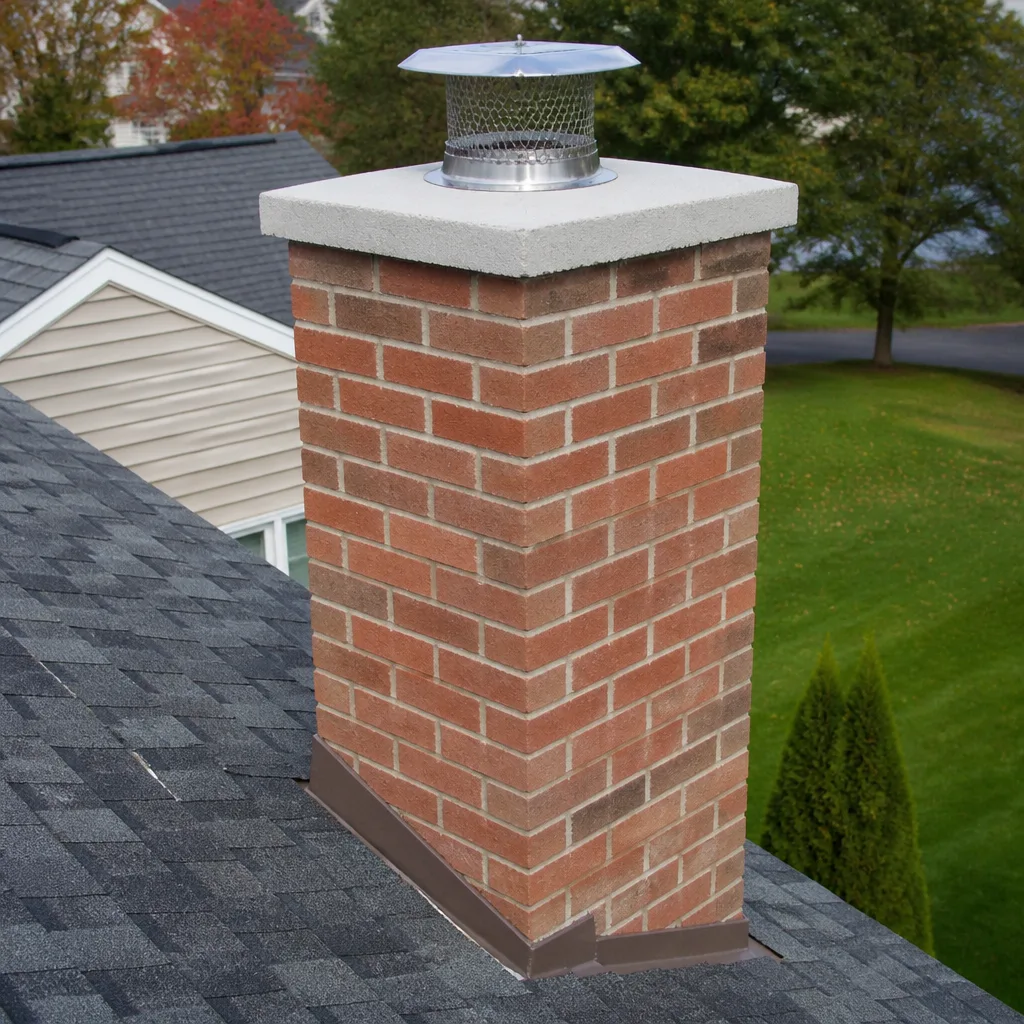
- Chimney cap. The screen and the plate on top. Check that it’s anchored and level after wind, and that the screen isn’t clogged. A missing or loose cap lets water, birds, and debris straight into the flue. A proper cap is also spark protection, so it earns its keep twice.
- Crown. The masonry or concrete top surface that sheds water away from the flue. Look for cracks, gaps at the flue tile, and crumbling edges. A crown that can’t shed water is a slow leak into the chimney structure.
- Flashing. The seal where the chimney meets the roof. Check for lifted metal, torn sealant, or rust staining. Flashing failures show up as water stains on the chimney sides or, eventually, inside the house.
These three are also where a full-service approach pays off. Cap and crown work addresses the two most common sources of water intrusion, and because it’s preventive care rather than a reactive patch, it extends the life of the whole chimney system. Built to last, not patched to pass. We install caps and crowns using professional-grade materials, and we source from brands like Olympia Chimney and Copperfield for functional hardware and finishing details. If your check turns up a cap that’s gone or a crown that’s crumbling, that’s a next-visit fix in most cases, or a call-now item if water is already getting in.
What Needs a Professional Now vs. a Note for Next Visit
The hardest part of any checklist is knowing when to act and when to wait. Upselling and fear-selling both hurt homeowners, and so does waiting too long. Here’s how we think about triage, in plain terms.
Call now, don’t wait:
- A displaced, missing, or badly damaged chimney cap with rain or snow in the forecast.
- Water actively getting into the house, or a dark stain spreading on the chimney or ceiling near the flue.
- Any sign of a chimney fire: a loud roaring sound, puffs of smoke or flame from the top, or a strong hot smell in the room. Stop using the fireplace and call.
- A carbon monoxide alarm going off, or headaches and dizziness that only seem to happen when the fireplace runs. Leave the house and call from outside.
- Visible creosote at the damper or firebox that’s thick and glazed, or smoke rolling back into the room consistently.
- Spalling brick or crumbling mortar that’s close to the roofline and worsening.
Note it for the next scheduled visit:
- A hairline crack in the crown that hasn’t visibly widened or let water in.
- A slightly tilted cap that’s still seated and anchored.
- Minor surface wear on flashing that’s still sealed.
- A creosote smell that fades and no visible change in draft.
- Cosmetic brick staining with no active moisture behind it.
The rule of thumb: anything that lets water in or hot gas out needs a professional now. Anything that is surface-level and stable can wait for a scheduled visit, as long as you keep watching it. When a problem is borderline, a free estimate resolves it, and a camera inspection plus photo report tells you exactly what’s going on inside the flue so you can decide with evidence. We’ll tell you plainly when work can safely wait.
The Annual Sweep and Inspection: What It Should Include
Your DIY checks handle the outside. The annual professional visit handles everything you can’t see, and it’s the part of the checklist you shouldn’t do yourself. A proper sweep and inspection covers the flue from the firebox to the top, checks the liner and smoke chamber, and looks at the cap, crown, and flashing from the roof. Homeowners who use their fireplace regularly should schedule it once a year, before the burning season so any repair can be done before the first fire.
Here’s what a thorough visit should involve, so you know what to expect:
- A sweep of the flue. Creosote and soot removed from the full run of the flue, not just the firebox.
- A camera inspection. A look inside the flue and smoke chamber, with photos you see, so any recommendation is backed by evidence.
- A liner check. Cracks, gaps, and deterioration in the flue liner, which is the layer that protects the house from heat and gases.
- An exterior inspection. Cap, crown, flashing, masonry, and the roof seal above the roofline.
- A written report of findings and a clear plan for what needs attention now versus later.
When the liner needs work, the repair method matters. Cracks in a clay tile liner can sometimes be restored in place with the HeatShield ceramic resurfacing system, which avoids demolition and rebuild. That’s a capability sweep-only services don’t offer. When a full reline is needed, or a chimney has offsets and older masonry a rigid liner can’t navigate, a flexible stainless system like DuraFlex allows a custom fit. Either way, the liner is where a professional’s eye earns its keep, and it’s the reason a sweep visits before recommending. If your log ever points to liner damage, our fireplace repair team can walk you through options before you commit to anything.
Fuel Type Changes Your Checklist
A checklist that ignores fuel type misses half the picture. Wood, gas, and pellet each stress the chimney differently, and the checks you prioritize should shift with the fuel you burn.
Wood. Creosote is the main concern, and it builds fastest with slow, smoldering fires and unseasoned wood. Burn-hour tracking, smoke behavior, and an annual sweep matter most here. Watch for glazed creosote, which is a harder problem than soot and belongs on the call-now list if you spot it.
Gas. Less creosote, but venting is everything. A gas fireplace that vents improperly can spill combustion gases into the room. The annual inspection should confirm the vent is clear and the appliance is drafting correctly. A carbon monoxide alarm near the fireplace is part of the checklist here, not optional.
Pellet. Pellet stoves produce their own ash and can clog a vent with it. Watch for reduced draft and ash buildup, and keep the vent on the inspection list.
Whatever you burn, the weather checks for cap, crown, and flashing apply the same. The Front Range delivers freeze-thaw regardless of fuel, and a gas chimney can still take on water through a failed crown and rust its vent. If you’re unsure what your fuel type demands, a professional inspection sorts it out, and a free estimate in Boulder is a simple way to find out.
Common Mistakes to Avoid
- Treating the annual sweep as the whole plan. A yearly visit is essential, but the gap between visits is when wind, freeze-thaw, and water do their damage. The ground-level checks in this guide fill that gap.
- Relying on a calendar date instead of burn hours. A heavy-use season needs a cleaning sooner than a quiet one. Track burn hours and cords so your sweep gets real diagnostic data instead of a guess.
- Skipping the post-wind check. After a high-wind event around Boulder, a displaced cap is easy to spot from the ground and easy to miss if you don’t look. Five minutes saves a flue full of rainwater.
- Getting on the roof to “take a quick look.” Height work on a steep or snow-covered roof is genuinely dangerous. Stay on the ground, use binoculars, and leave the roof inspection to a trained professional.
- Patching a crown instead of protecting it. A smear of sealant over a crack may hide the problem for a season, but water finds the next weak point in the freeze-thaw cycle. Proper crown and cap work is built to last, not patched to pass.
- Ignoring smoke behavior. Thick, slow, or backdrafting smoke is the chimney telling you something changed inside the flue. Log it and mention it at your next visit.
- Putting off a liner question. A cracked liner is a heat and gas pathway into the house. It needs a professional evaluation now, not a note for spring.
See the difference
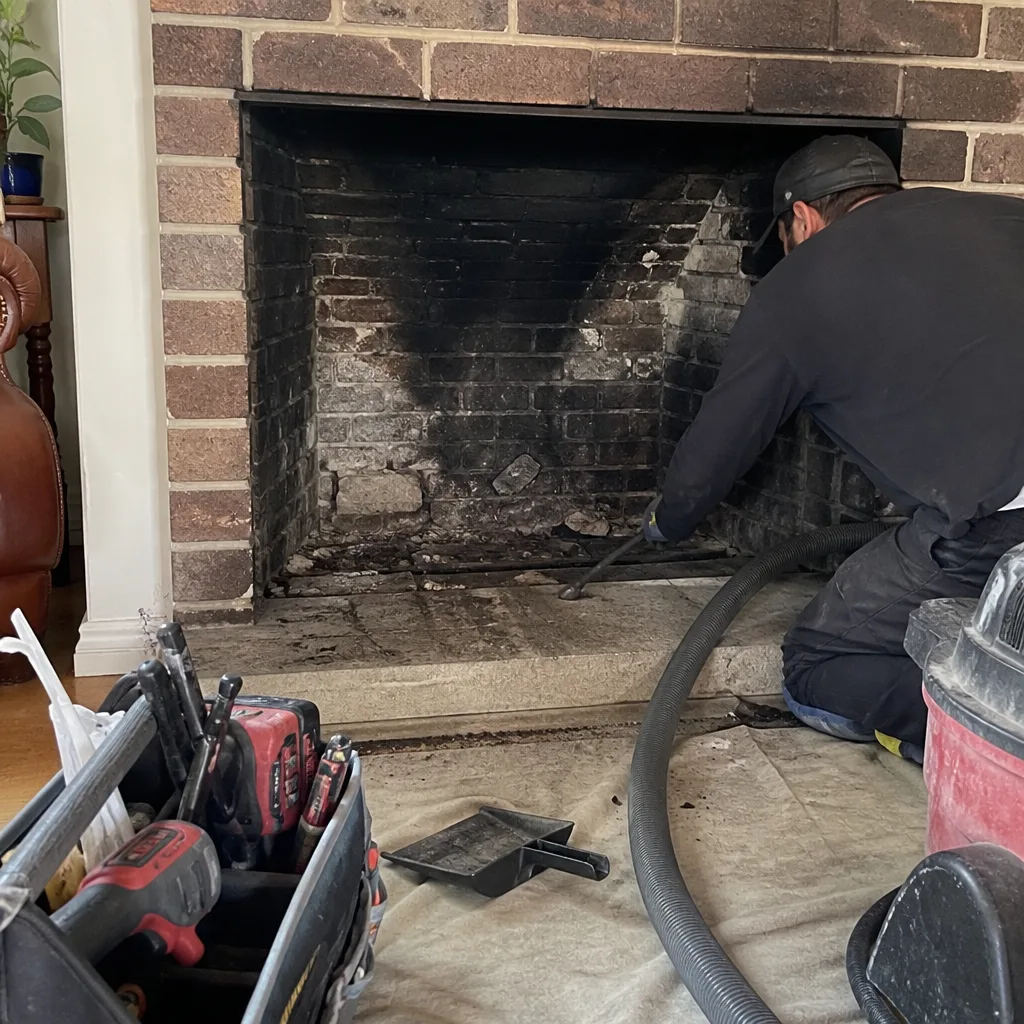 Before
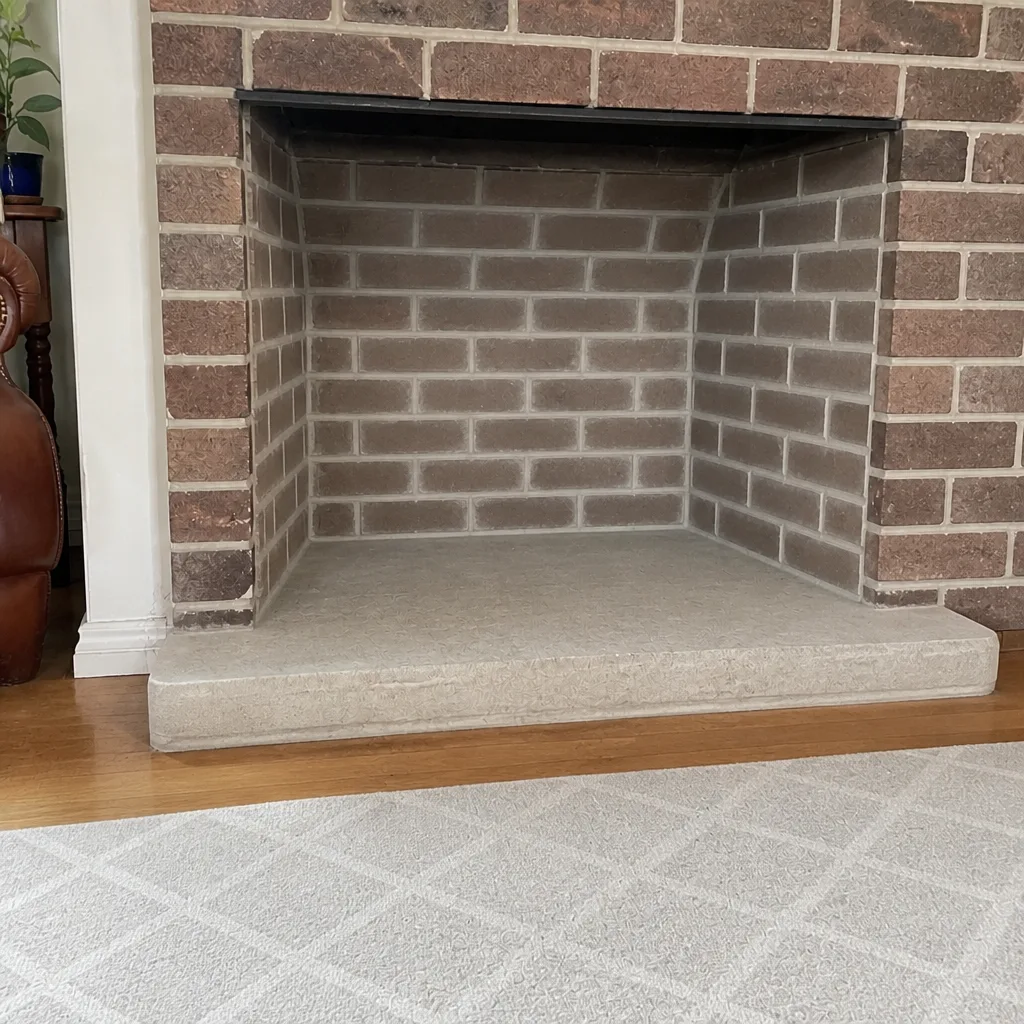 After
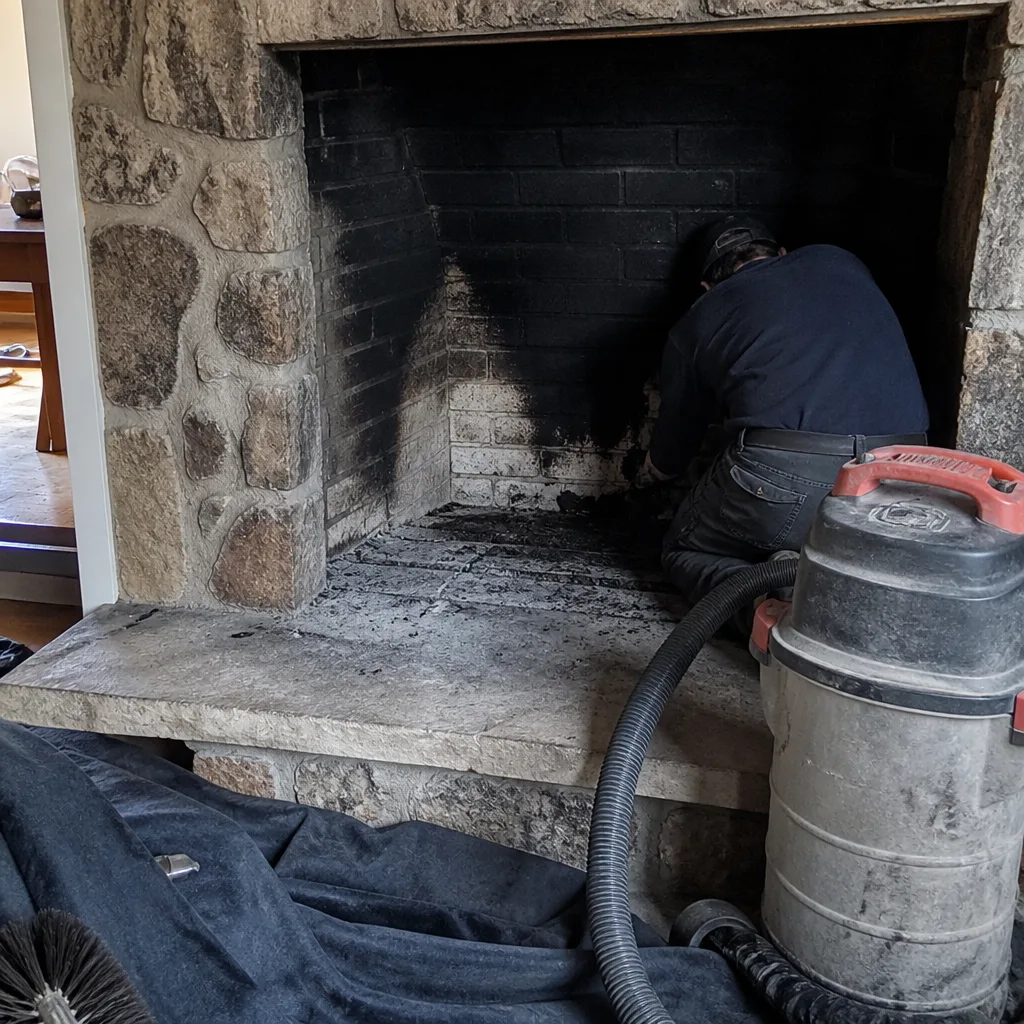 Before
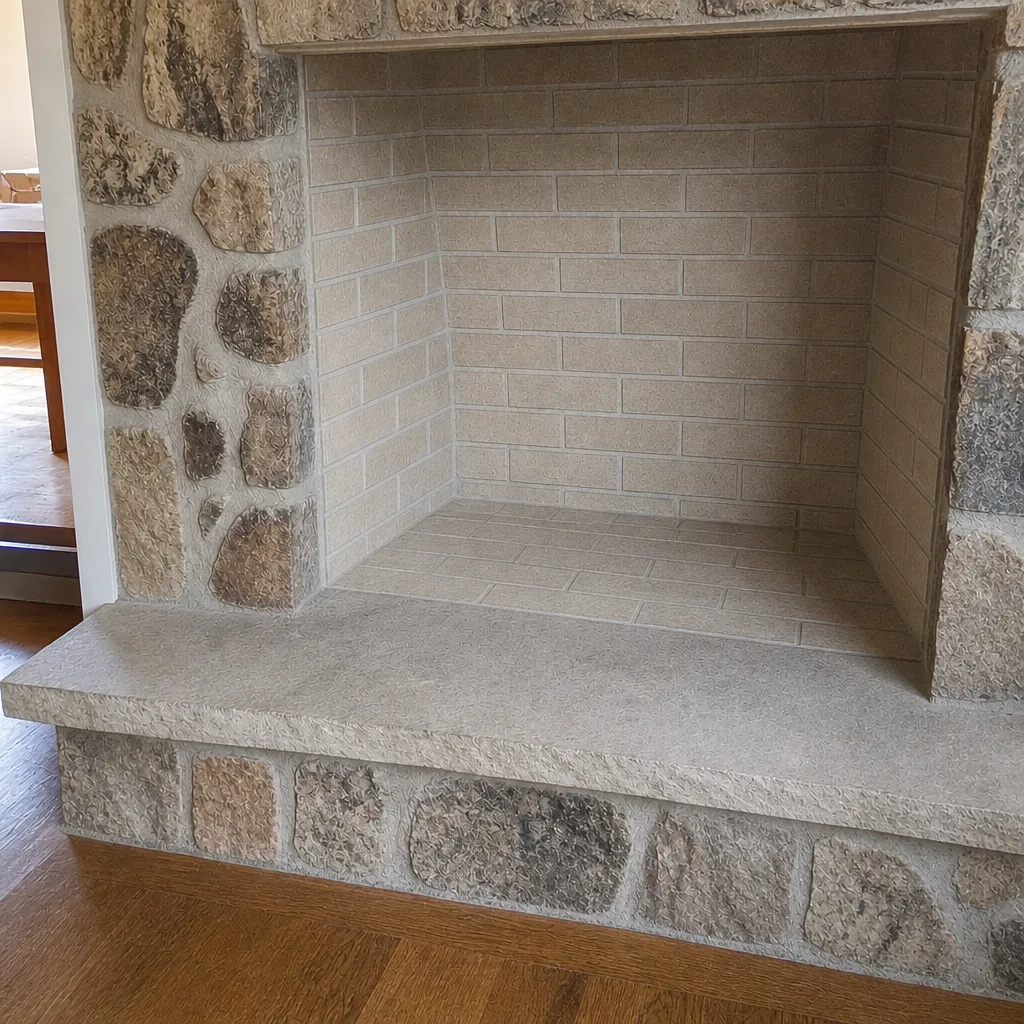 After
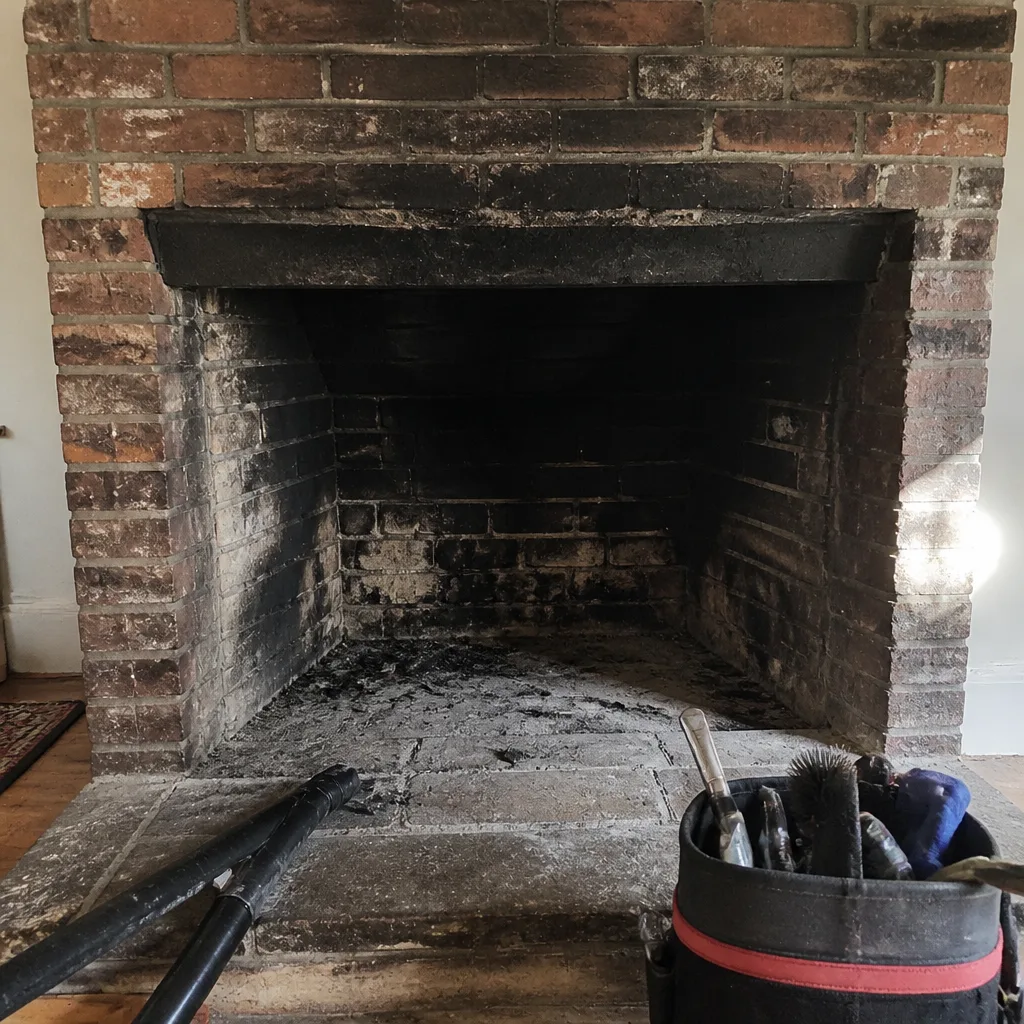 Before
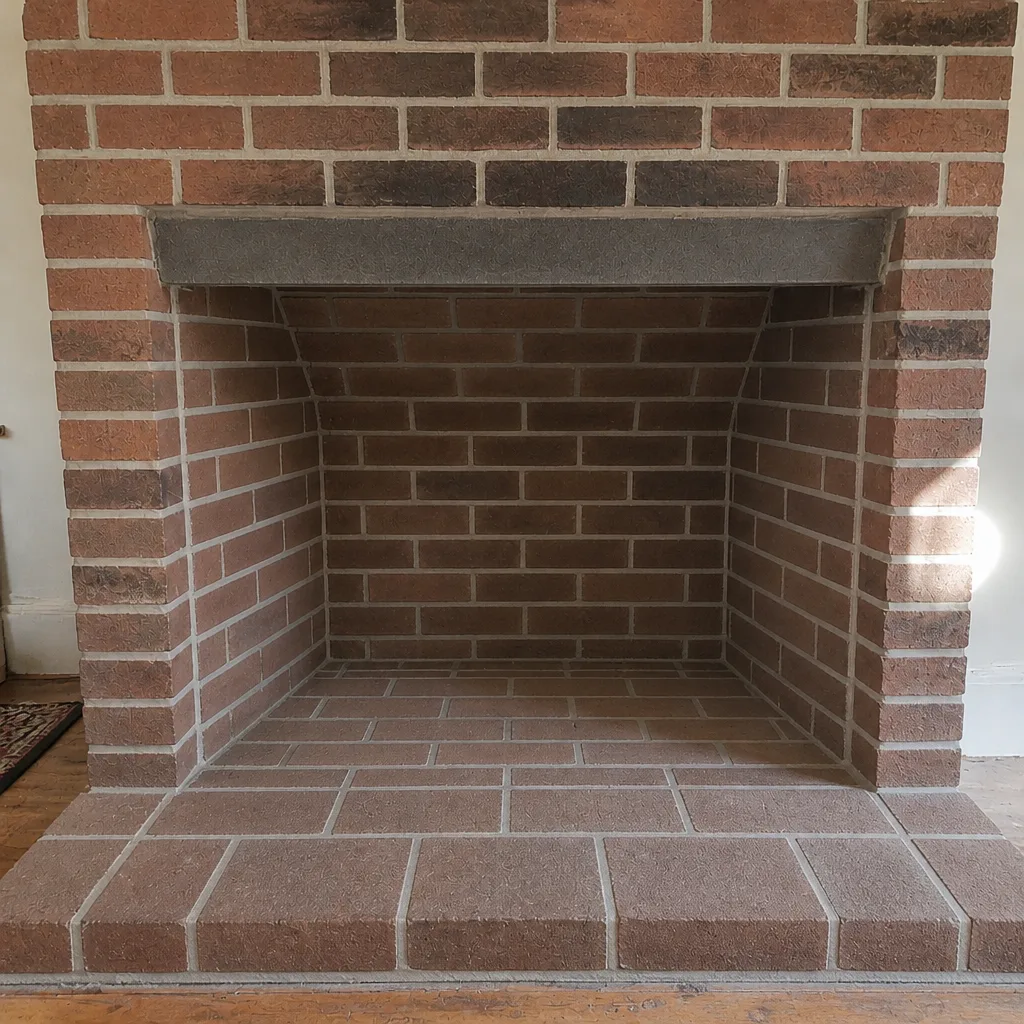 After
When to Call a Professional
Call a professional the moment your checklist turns up anything that lets water in or hot gas out: a missing or displaced cap before weather arrives, water stains spreading on the chimney or ceiling, visible thick creosote, a carbon monoxide alarm, or any sign of a chimney fire. Call sooner if your burn log shows a heavy season or your smoke behavior has changed. And call for a scheduled annual sweep and inspection before the burning season, so any liner, cap, or crown repair can be done before your first fire. Smoke and fire are the dangerous side, but water is the slow destroyer, and a free estimate tells you which problem you actually have. We inspect before we recommend, show you the camera evidence, and tell you plainly when work can safely wait. Boulder Chimney Sweep Pros offers free estimates in Boulder, so call (877) 820-8761. We answer 24/7. Fast dispatch from 7am to 7pm, Sunday through Friday.
Frequently Asked Questions
Schedule a professional cleaning and inspection once a year if you use your fireplace regularly, and book sooner if your burn log shows a heavy season or you notice warning signs like smoke rolling back or a strong creosote smell. A once-a-year sweep is the baseline; the burn-hours and weather checks in this checklist tell you when the season calls for more. Call (877) 820-8761 for a free estimate and a scheduled visit.
From the ground, check the chimney cap first to see if it’s level and anchored, then look for new cracks in the crown, lifted or torn flashing where the chimney meets the roof, and ground debris that suggests something failed up top. Use binoculars and stay off the roof. A displaced cap or a new crack belongs in your log, and a free estimate settles whether it needs attention now.
Yes for ground-level visual checks, burn-hour tracking, and your seasonal log; no for sweeping, roof inspection, and any liner or masonry repair. Creosote removal, roof work, and flue liner evaluation carry real risk and need a trained professional. The best split is DIY observation paired with an annual professional sweep and inspection. Call (877) 820-8761 to schedule yours.
Track burn hours and fuel, and watch for a change in how the fire draws: smoke rolling back, a stronger creosote smell, reduced draft, or darker smoke off the top. These signals often mean it’s time before the calendar says so. Bring your log to the visit so the sweep knows how hard the chimney has run. Call (877) 820-8761 for an exact quote – estimates are free.
Yes. Water gets into a crack in the crown or masonry, freezes overnight, expands, and widens the crack, then repeats through the winter until a cosmetic flaw becomes a real path for water. That’s why the cap, crown, and flashing checks belong on your list before and after cold swings. When in doubt, an inspection shows you whether it’s a next-visit note or a call-now fix.
A proper inspection covers the flue from firebox to top, a camera look inside the flue and smoke chamber with photos you see, a liner check, and an exterior review of the cap, crown, flashing, and masonry above the roofline. You should leave with a written report of what needs attention now versus what can wait. Call (877) 820-8761 to book a free estimate.
The Bottom Line
A chimney checklist for Boulder should run on triggers, not just a calendar. Do the ground-level check after every high-wind event. Track your burn hours, cords, and smoke behavior through the season. Check the cap, crown, and flashing before and after the freeze-thaw swings, and triage findings honestly: anything that lets water in or hot gas out needs a professional now, and stable surface wear can wait. Pair all that with an annual professional sweep and inspection, because the inside of the flue is where a trained eye matters most. We inspect before we recommend, show you the evidence, and tell you when work can safely wait, using professional-grade materials from brands like HeatShield and DuraFlex when a liner needs work. Call (877) 820-8761 for a free estimate. We answer 24/7. Fast dispatch from 7am to 7pm, Sunday through Friday.
Written by the team at Boulder Chimney Sweep Pros.