
Last updated November 25, 2026
 Sweep & inspection
 Caps & crowns
 Flue relining
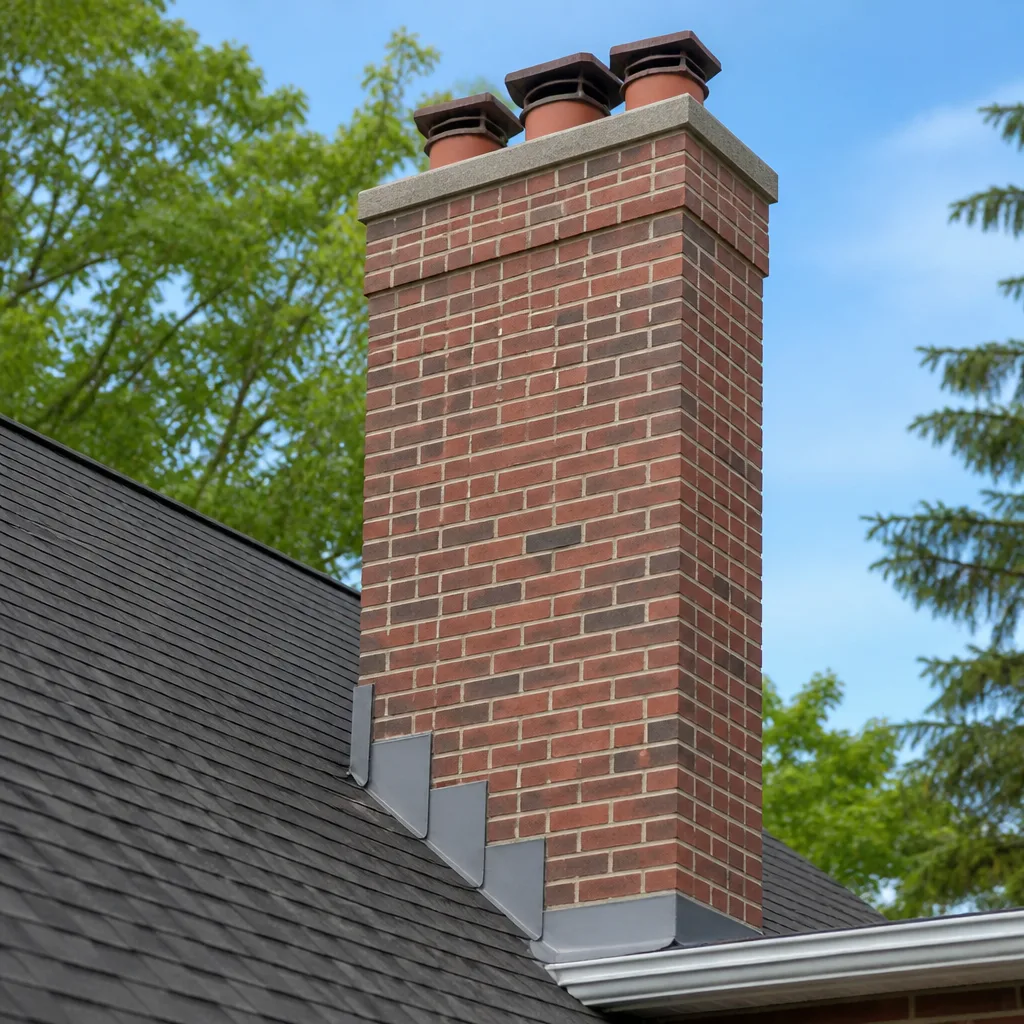 Masonry repair
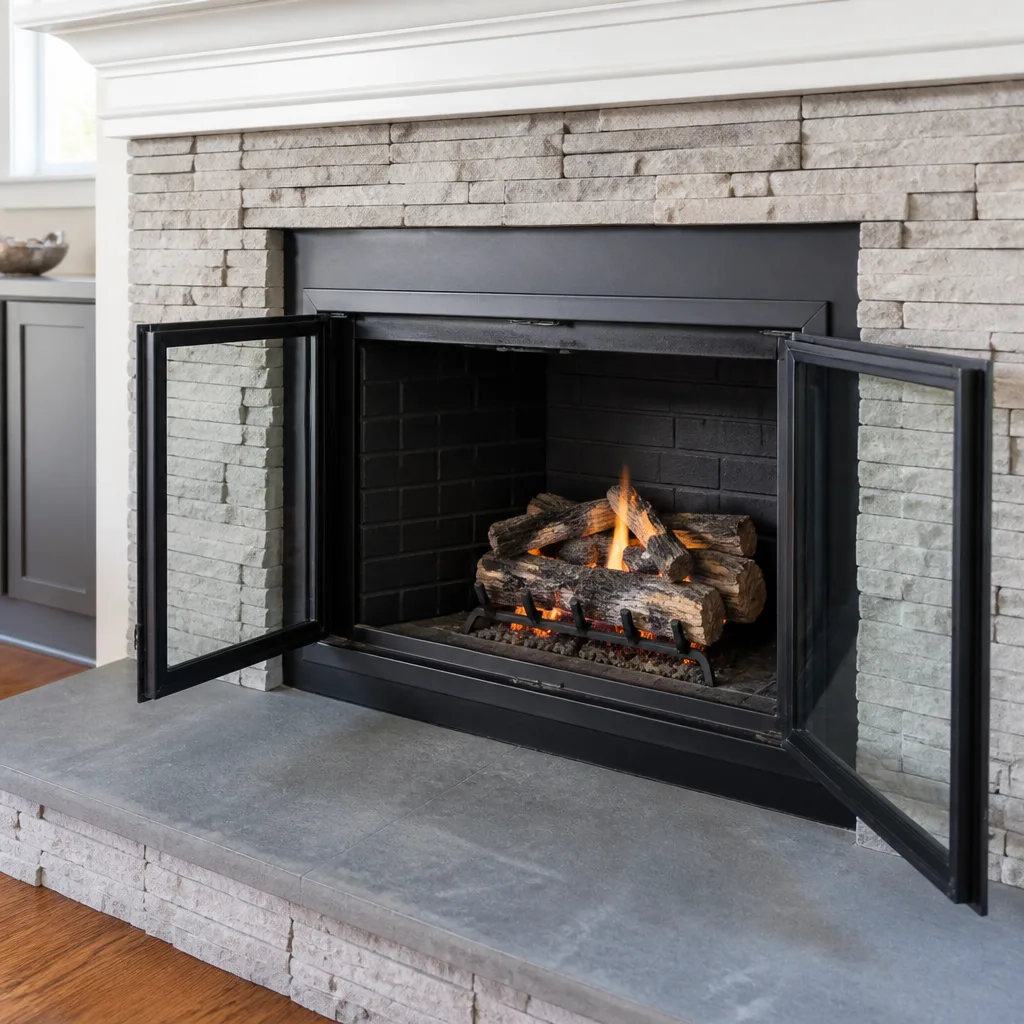 Gas fireplace service
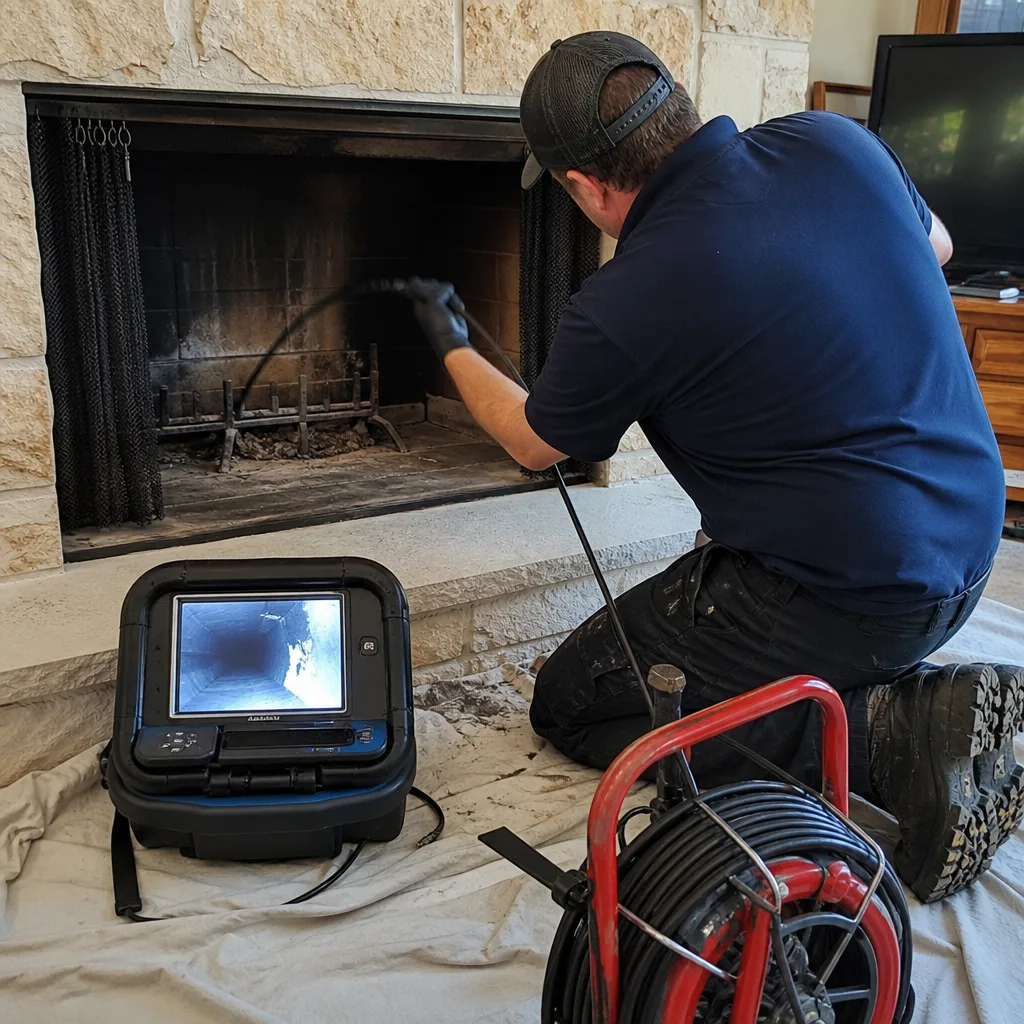
Level 1 sweep and inspection to the NFPA 211 annual standard - flue, crown, cap, and flashing checked and photographed
Chimney sweep logs do not sweep chimneys. They loosen some creosote - which then falls where a brush and vacuum still have to collect it.
The Complete Guide to Chimney Cleaning in Boulder
Most chimney guides are written for sea-level homes burning seasoned hardwood, and that matters more than most homeowners realize. Boulder sits at roughly 5,430 feet, where thinner air changes how a fire burns, and where the pine and softwood common across the Front Range leaves a different kind of creosote than an oak fire ever would. Cleaning intervals copied from a generic national article can leave a Boulder chimney dirtier than the homeowner expects. This guide covers what actually happens inside a high-altitude chimney, how the local climate wears on mortar and flue tile between cleanings, what each level of inspection means, and what full-service cleaning should include. By the end, you’ll know how to judge your own chimney and when to bring in a professional.
Quick Answer
Chimney cleaning in Boulder means removing creosote, soot, and blockages from the flue, then inspecting the liner, firebox, and exterior for the damage that high-altitude burning and dry mountain air tend to cause. Most actively used fireplaces here need cleaning once a year, and pine-heavy burning or a glassy creosote glaze can warrant it sooner. Cleaning is only half the job; the inspection that comes with it is what tells you the chimney is safe to use.
Styles & brands we work with
- Sweep & inspection
- Caps & crowns
- Flue relining
- Masonry repair
- Gas fireplace service
Table of Contents
- Why Boulder’s Altitude Changes How Your Chimney Ages
- How Pine and Softwood Fuels Build a Different Creosote in Boulder
- The Three Stages of Creosote and What They Mean for Your Fireplace
- CSIA Level 1, 2, and 3 Inspections: Which One Your Boulder Home Needs
- How Boulder’s Dry Climate Wears on Mortar and Flue Tile
- What Full-Service Chimney Cleaning Actually Includes
- How a Cleaning Visit Works, Step by Step
- How Often Should You Schedule Cleaning in Boulder?
Why Boulder’s Altitude Changes How Your Chimney Ages
At 5,430 feet, the air holds less oxygen per cubic foot than it does at sea level, so a fire draws differently and burns less completely unless the fuel and draft are right. Incomplete combustion is the root of creosote. When wood doesn’t fully burn, the unburned gases cool as they rise up the flue and condense on the liner walls. In a high-altitude Boulder fireplace, that condensation can begin sooner and build faster than a low-elevation guide would predict.
Altitude also affects draft. A chimney relies on the temperature difference between the hot flue gases and the outside air to pull smoke upward. In Boulder’s thinner air, that draft can be weaker, especially on a cold start or when the flue is cold. A weak draft lets smoke linger and deposit more material on the liner. It also makes the fire harder to keep burning cleanly, which compounds the problem.
What this means in practice for a Boulder home:
- Fires need good seasoned fuel and a warm flue to burn cleanly, not just a match and a log.
- Creosote can stage faster than the generic once-a-year advice assumes for heavy users.
- Draft problems show up as smoke spillage, a sluggish fire, or a chimney that never seems to pull.
- A cleaning visit should include a look at draft and flue condition, not only a brush-down.
We inspect before we recommend, because the right cleaning interval for a Boulder fireplace depends on how that household actually burns. Two homes on the same street can need very different schedules.
How Pine and Softwood Fuels Build a Different Creosote in Boulder
Colorado’s forests are dominated by pine, fir, and other softwoods, and many Boulder homeowners burn what’s locally available or what a neighbor delivered. Softwood isn’t a bad fuel, but it behaves differently from oak or hickory. Softwoods tend to ignite quickly, burn hot and fast, and leave less dense coals. That fast, hot burn can be clean, but only when the wood is properly seasoned. Burn it green or damp and the creosote load climbs quickly.
The key variable isn’t the species so much as moisture content. Wood that hasn’t dried properly spends its heat boiling off water instead of burning cleanly, and that sends more unburned material up the flue. In Boulder’s dry climate, wood can season well, but only if it’s split, stacked, and covered so rain and snow don’t re-wet it. A covered stack that’s had time to dry burns far cleaner than a fresh delivery of pine that still feels heavy.
Softwood creosote has a reputation for being fluffier and more brittle than the hard, glassy deposits hardwood can leave. That’s not always true, and the stage of creosote matters more than the fuel. What we watch for in a pine-burning Boulder chimney:
- Loose, flaky soot that brushes off easily, which is the easier stage to clean.
- Sticky, tar-like deposits that cling to the liner and signal incomplete combustion.
- Glazed, hardened creosote that’s difficult to remove and raises fire risk.
- Any of the above paired with a strong smoke smell or poor draft.
The takeaway is not to avoid pine. It’s to burn it dry, keep the fire hot enough to burn cleanly, and get the flue cleaned on a schedule that matches your actual fuel and habits in Boulder.
The Three Stages of Creosote and What They Mean for Your Fireplace
Creosote forms in three recognizable stages, and knowing them helps you understand why a cleaning quote can range from straightforward to involved. The stage determines how hard the deposit is to remove and how seriously to treat it.
- First-degree creosote is light soot and flaky deposit. A standard brush cleaning handles it. This is what a well-run, regularly cleaned firebox tends to produce.
- Second-degree creosote is sticky and tar-like. It clings to the liner and takes more work. This stage usually points to burning damp wood, cool flue temperatures, or restricted draft.
- Third-degree creosote is glazed and hardened, sometimes looking like a shiny black coating. It’s the most difficult to remove and the most flammable. In our experience, this stage is where a brush-only sweep isn’t enough and the liner condition needs a closer look.
Each stage matters for safety because creosote is the fuel in a chimney fire. The more buildup and the harder the deposit, the more there is to burn. We’re careful not to scare homeowners into unnecessary work; most chimneys we see are in the first or second stage and clean up fine with a proper sweep. But when we find glazed creosote or a compromised liner in a Boulder home, we show the homeowner the camera evidence before recommending anything.
Understanding the stages also explains why “just brush it” isn’t always the right answer. Sometimes the honest fix is a thorough cleaning. Sometimes it’s restoring the liner so it stops trapping deposits in the first place.
CSIA Level 1, 2, and 3 Inspections: Which One Your Boulder Home Needs
Not every inspection is the same, and the difference matters for a home you’ve just bought or one with a history you don’t know. The Chimney Safety Institute of America (CSIA) defines three inspection levels, each suited to different situations.
- Level 1 is the routine, visual inspection done with the chimney in its normal condition, looking at readily accessible parts. It suits a chimney that’s in regular use and hasn’t changed since the last check.
- Level 2 adds a closer look, often with a camera, at accessible portions of the flue and other areas, and covers the whole system. It’s the level usually recommended after a change in the system, after a chimney fire, after a home purchase, or when you’re switching fuel type or installing a new appliance.
- Level 3 is the most involved and is done when a Level 1 or 2 finds something that requires access to concealed areas, which can mean opening up part of the structure. It’s not routine; it’s for specific, diagnosed problems.
For a Boulder home, a Level 2 inspection is often the sensible starting point for a recently purchased older house, a property with an unknown fire history, or one where the previous owner’s maintenance habits are a mystery. That camera inspection, with a photo report you can see for yourself, is the honest foundation for any recommendation.
We inspect before we recommend, and we show you what we find. If your Boulder chimney has never had a documented inspection, a Level 2 gives you a clear baseline.
How Boulder’s Dry Climate Wears on Mortar and Flue Tile
Boulder’s dry air is easy on some things and hard on others. Low humidity and strong sun can dry wood well and keep exposed surfaces crisp, but masonry and flue tile pay a price over time. The daily swing between warm days and cold nights, plus the sun baking one side of a chimney all day, drives constant expansion and contraction. Over the years, that cycling opens small cracks in mortar joints and flue tile.
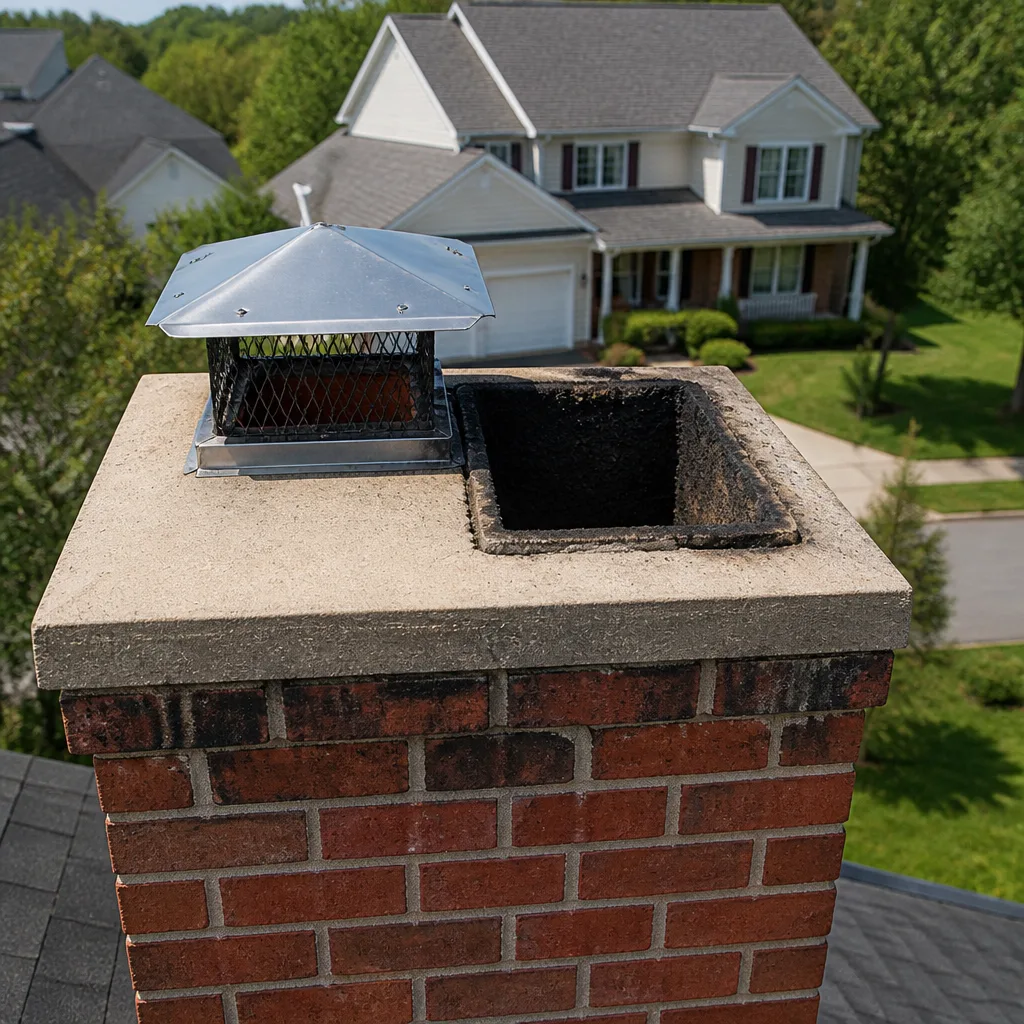
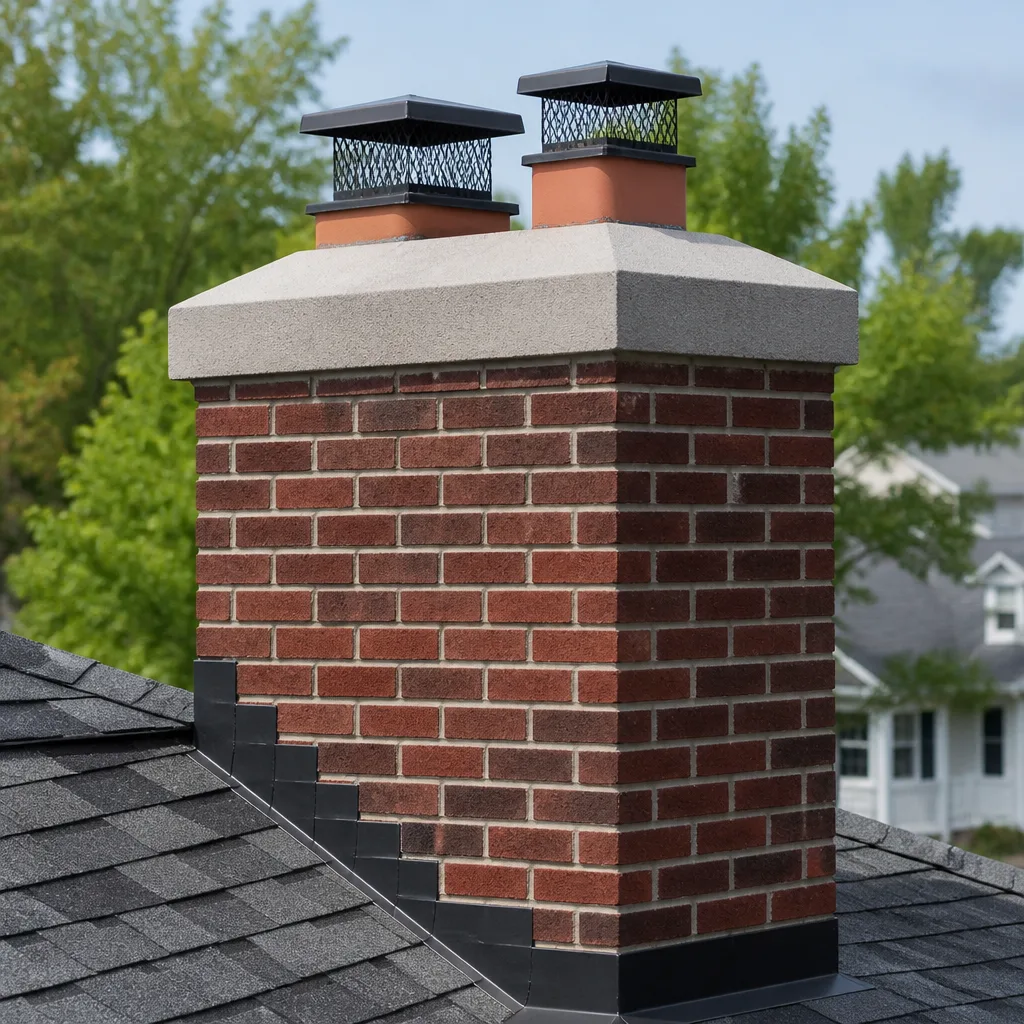
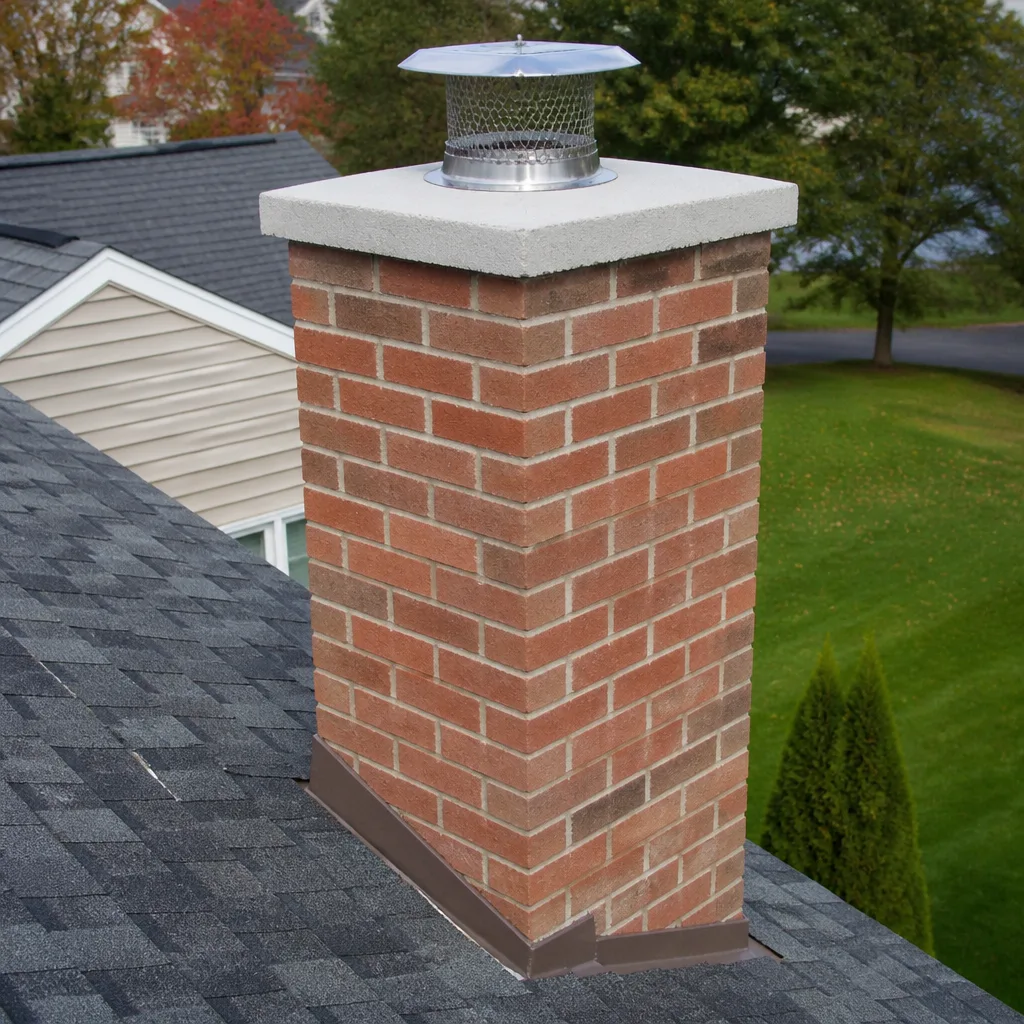
Those cracks matter because a water-tight chimney is a safe chimney. Once moisture gets in, it freezes on cold nights, expands, and widens the crack. The cycle repeats and the damage grows. A cracked crown or a missing cap lets water straight into the flue and the masonry, which is why cap and crown work is preventive care, not just repair.
In a dry, high-altitude place like Boulder, homeowners often assume moisture isn’t a concern. In our experience, the freeze-thaw cycle is the more relentless force. Some things to watch on a Boulder chimney:
- Crumbling or missing mortar between bricks on the exterior.
- Cracks in the chimney crown where water can pool and seep.
- Spalling brick, where the face flakes or flakes off after freeze-thaw cycles.
- A missing or damaged cap letting rain and snow into the flue.
Protecting the chimney from water is one of the most cost-effective things a homeowner can do, and it’s central to keeping a chimney fire-safe and water-tight over the long run.
What Full-Service Chimney Cleaning Actually Includes
A surface brush-only sweep and a full-service cleaning are not the same job, and it’s worth knowing the difference before you book anyone. A brush-only visit cleans the flue and stops there. A full-service cleaning treats the whole system, which is what protects your home between visits.
Full-service chimney cleaning should cover:
- A thorough flue cleaning with the right brushes and tools for your liner type, plus containment so soot doesn’t end up in your living room.
- An inspection of the firebox, damper, flue liner, cap, and crown, with camera evidence where it helps.
- A check of draft and burn patterns, since those explain why creosote builds the way it does in your Boulder fireplace.
- A look at the exterior, including mortar joints and the crown, for water intrusion and freeze-thaw damage.
- Clear recommendations on what needs attention now, what can wait, and what just needs watching.
This is the difference between a quick brush and a real diagnosis, which is why we inspect before we recommend. One call can resolve multiple issues, and the same visit can flag a cap that needs replacing or a liner that would benefit from restoration. We’re equipped to handle those repairs with professional-grade materials, including DuraFlex flexible stainless-steel liners and HeatShield ceramic resurfacing, rather than sending you off to find separate contractors for each problem.
How a Cleaning Visit Works, Step by Step
A well-run cleaning visit is orderly and leaves your home cleaner than it found it. While we won’t offer do-it-yourself instructions (creosote removal is genuinely hazardous, and brushing a flue blind can damage the liner or leave deposits behind), knowing what a professional visit looks like helps you get the most from it. We inspect before we recommend, and we don’t recommend work you can’t verify.
- Set up and protect the area. Drop cloths go down and the work area is contained so soot stays inside the flue system, not on your floor.
- Clean the flue and firebox. The brush and tools match the liner material, and deposits are removed from the top down or bottom up as the setup allows.
- Inspect while cleaning. The technician checks the liner, damper, and firebox for cracks, gaps, or damage as the deposits come off.
- Check the exterior. The cap and crown get a look for water intrusion, and the masonry for mortar and freeze-thaw problems.
- Run a camera where needed. A camera inspection gives a clear picture of the liner’s condition, and the photo report lets you see what we see.
- Review findings with you. You get a plain explanation of what’s fine, what needs work soon, and what can safely wait.
For anyone moving into an older Boulder home, this step-by-step review is also the moment to establish a baseline inspection before the first fire of the season.
How Often Should You Schedule Cleaning in Boulder?
Once a year is the general starting point for an actively used fireplace, but Boulder’s conditions argue for adjusting that based on how you burn. The standard rule of thumb is to clean when there’s about an eighth of an inch of deposit in the flue, but not everyone knows how to gauge that, and high-altitude, pine-heavy burning can get there faster.
Consider cleaning sooner if any of these apply to your Boulder home:
- You burn pine or softwood regularly, especially if it isn’t fully seasoned.
- You notice smoke spilling into the room or a fire that struggles to draw.
- You see or smell heavy creosote, or a shiny glaze on the flue walls.
- It’s your first heating season in the home and the chimney’s history is unknown.
- You’ve had a chimney fire, even a small one, or a lot of smoke backdraft.
For a Boulder homeowner who burns often, an annual visit is the safe baseline, and it should include the inspection that tells you when the build-up is running ahead of the calendar. We answer 24/7 to book a visit, and fast dispatch from 7am to 7pm, Sunday through Friday, gets a technician out to look before burning season, not after.
Common Mistakes to Avoid
- Copying a sea-level cleaning schedule. Advice written for low-elevation hardwood homes doesn’t account for Boulder’s thinner air or pine fuels, which can accelerate creosote building.
- Burning wet or green wood. Damp wood sends unburned material up the flue and is one of the fastest ways to build sticky second-degree creosote in a Boulder fireplace.
- Treating a brush-only sweep as complete. Cleaning without an inspection misses liner cracks, cap damage, and crown problems that only show up when someone actually looks.
- Ignoring the interior and exterior. Water intrusion and freeze-thaw are silent problems, and a chimney can look fine inside while the crown and mortar are quietly failing outside.
- Burning with a missing or broken cap. Rain, snow, and animals get into an uncapped flue, and that damage is far easier to prevent than repair.
- Skipping the inspection after buying an older home. A recently purchased Boulder house with an unknown fire history deserves a Level 2 look before the first season.
- Trying to remove glazed creosote yourself. Third-degree creosote and the condition of the liner behind it are a job for a trained professional, and a blind flue is no place for guesswork.
See the difference
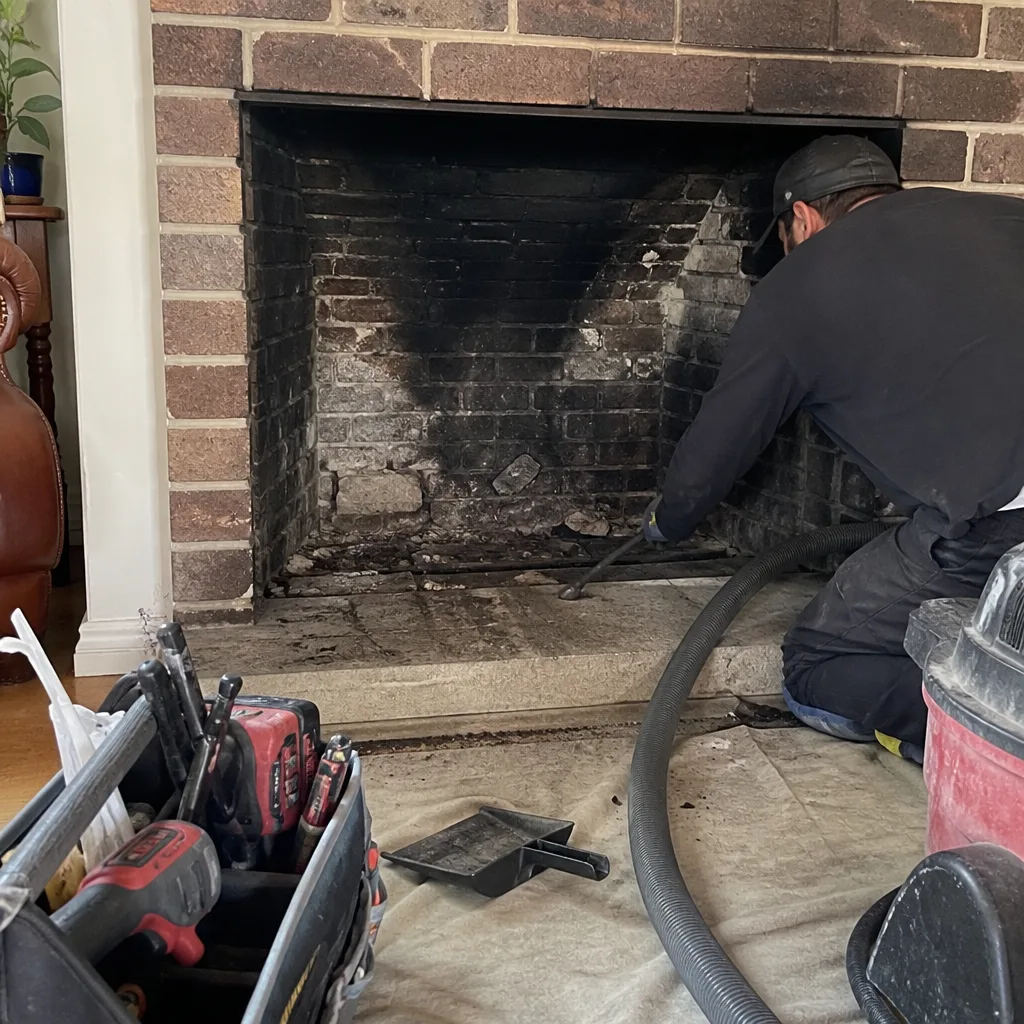 Before
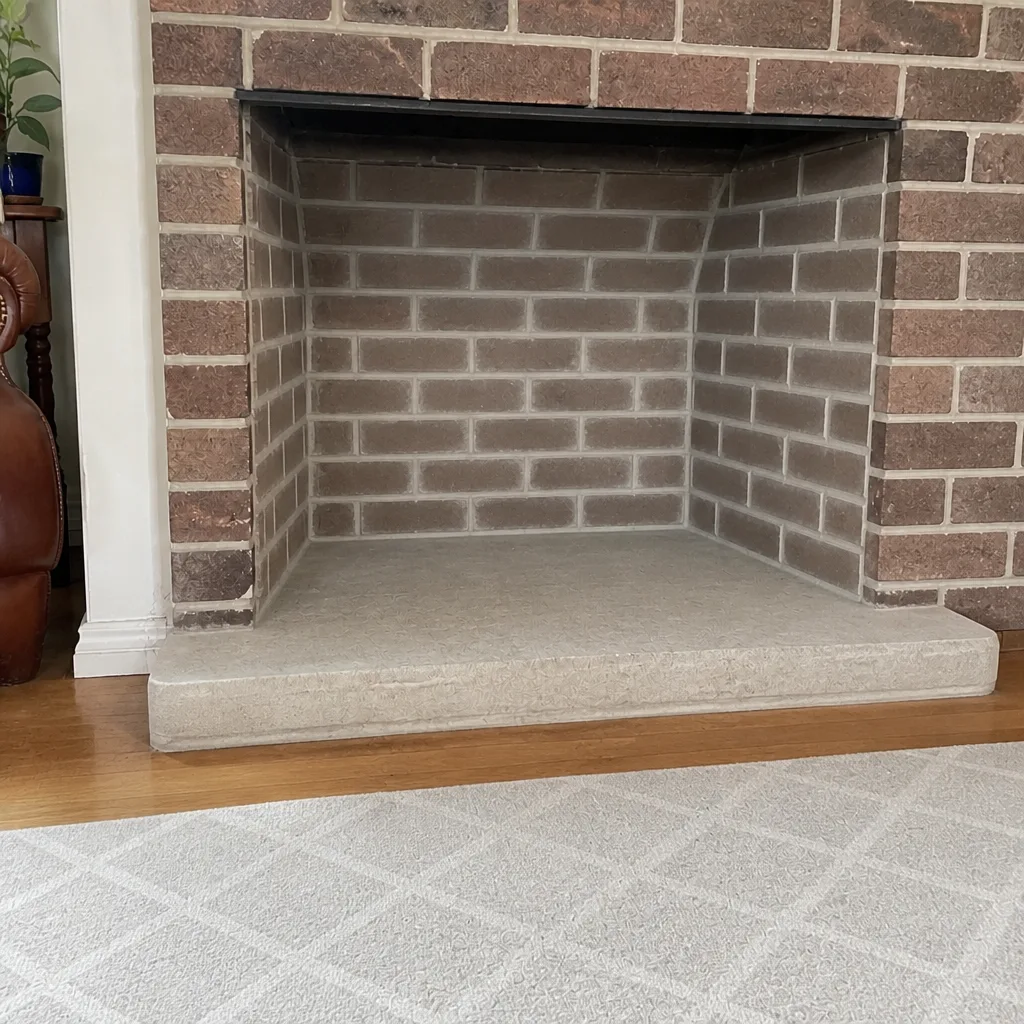 After
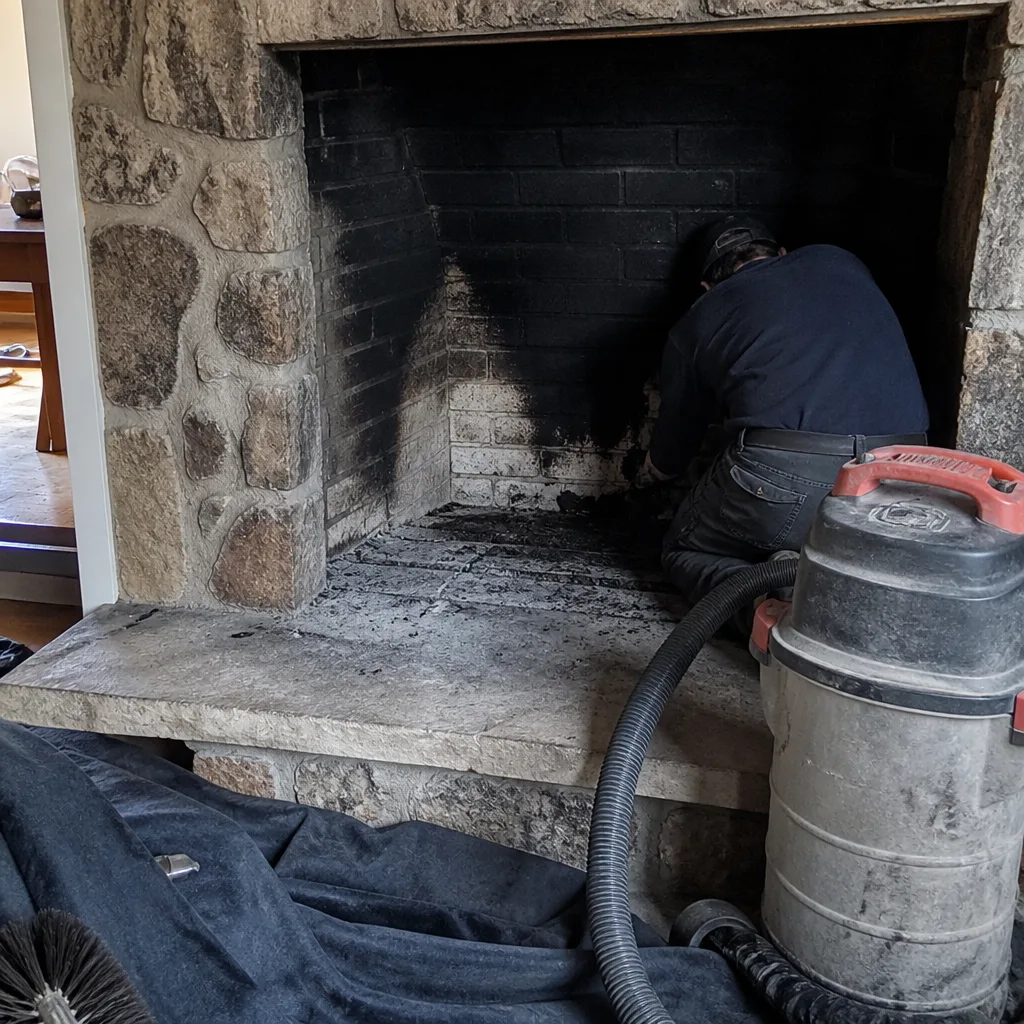 Before
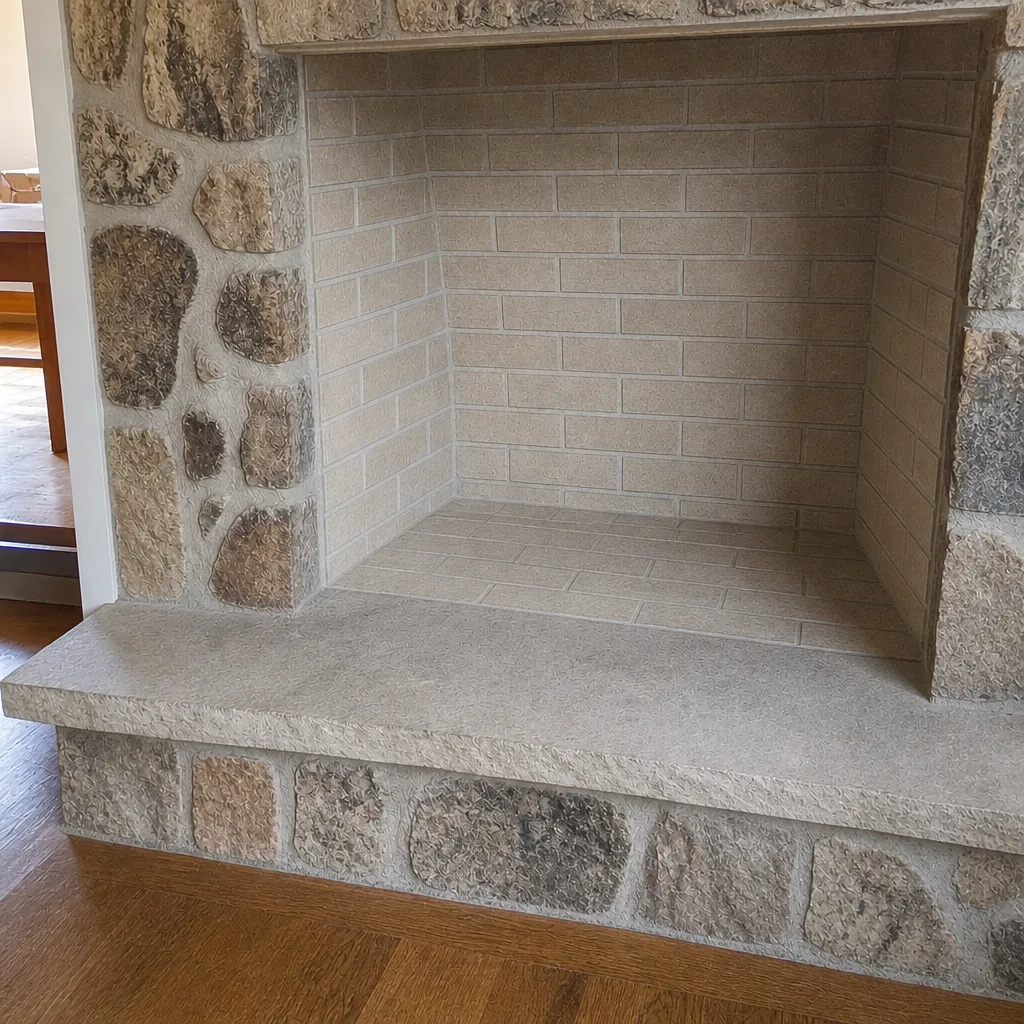 After
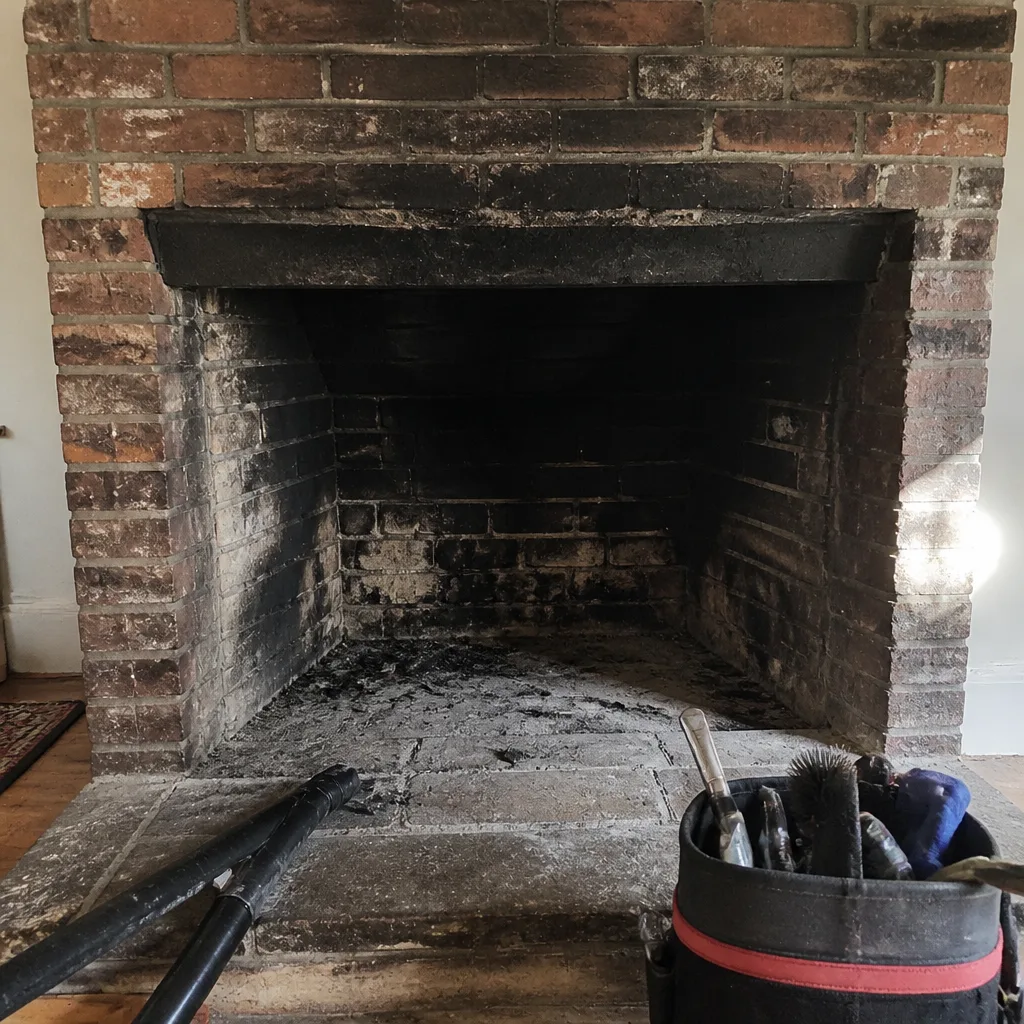 Before
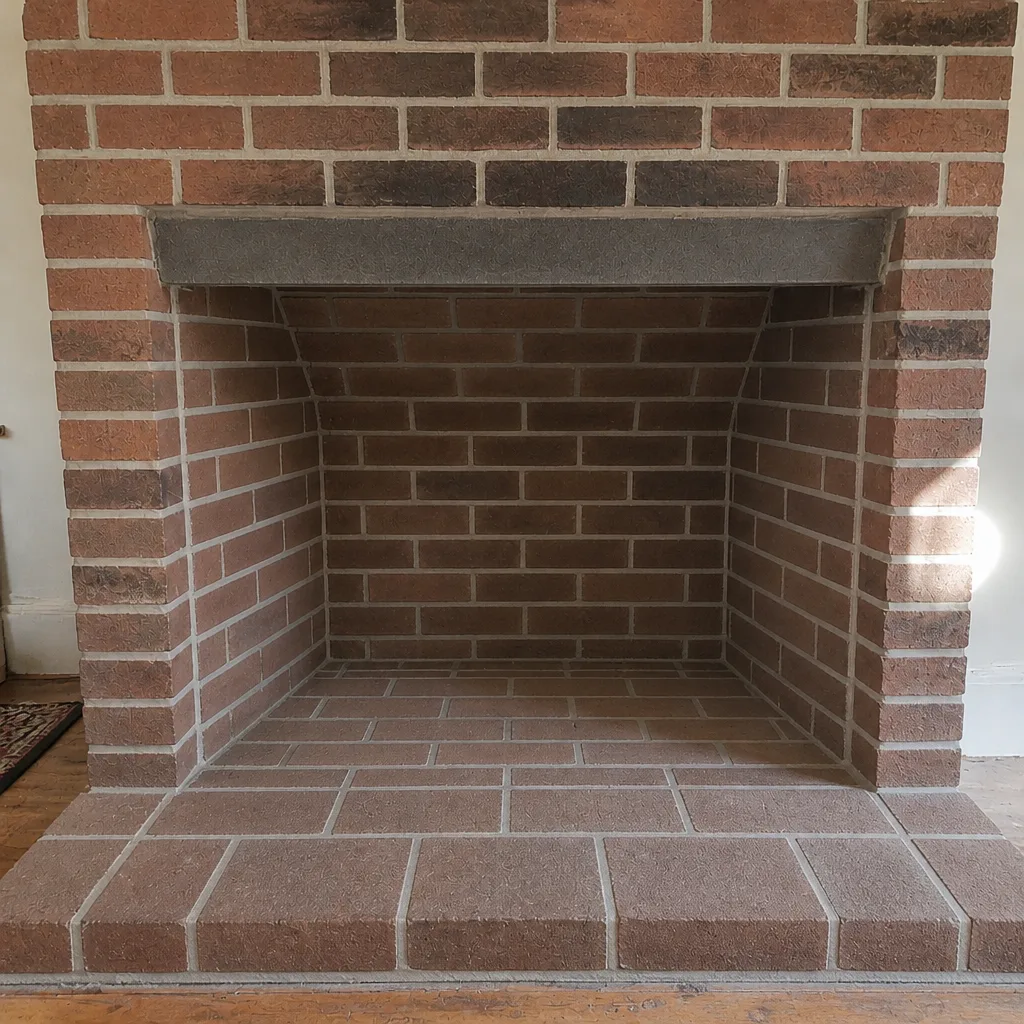 After
When to Call a Professional
Call a professional when it’s been a year of regular burning since the last cleaning, when you’ve moved into a home and don’t know the chimney’s history, or when you see smoke spilling into the room or a fire that won’t draw. Cracked mortar, a missing cap, spalling brick, or any sign of glazed creosote all warrant a visit. High-tension components and the inside of a flue are genuinely dangerous to work on without training, and the inspection that comes with a cleaning is what catches the problems you can’t see. Boulder Chimney Sweep Pros offers free estimates in Boulder; call (877) 820-8761.
Frequently Asked Questions
For most actively used fireplaces in Boulder, once a year is the safe baseline, and high-altitude burning plus pine-heavy fuel can push you to clean sooner. Watch for heavy creosote, poor draft, or smoke spillage, which all point to needing a visit before the calendar says so. Call (877) 820-8761 for a free estimate and we’ll help you judge the right schedule for your fireplace.
You need a new liner only when the current one is cracked, deteriorated, or unsafe, and you should never take that on faith. We inspect before we recommend and show camera evidence and a photo report so you can see the condition for yourself; if the liner is sound, we’ll tell you so. Call (877) 820-8761 and we’ll give you an honest read on what your Boulder chimney actually needs.
Chimney cleaning and inspection are priced per job by a written estimate, because a straightforward sweep and a visit that uncovers liner or crown issues aren’t the same amount of work. The estimate is free and the written quote sets the final price, so there are no surprises. Call (877) 820-8761 for an exact quote.
Pine and softwood can build creosote faster than hardwood, but the bigger factor is whether the wood is properly seasoned. Dry pine burned hot enough to burn cleanly is fine; damp or green wood sends unburned material up the flue and builds sticky deposit quickly in a Boulder fireplace. Call (877) 820-8761 if you’re unsure whether your fuel or your flue is the problem.
Skipping cleaning lets creosote build into the harder, more flammable stages, and that’s what fuels a chimney fire, so the risk climbs the longer you wait. Buildup can also mask liner cracks and blockages that only a proper inspection catches. Call (877) 820-8761 for a free estimate and get a clear picture of where your Boulder chimney stands.
A brush-only sweep cleans the flue and stops there; full-service cleaning covers the flue, firebox, damper, cap, and crown, with an inspection and camera evidence where needed. The full-service approach is what tells you whether the chimney is fire-safe and water-tight, not just cleaner inside. Call (877) 820-8761 and we’ll walk you through what a complete visit involves for your home.
The Bottom Line
Chimney cleaning in Boulder is shaped by the place: thinner air at 5,430 feet, softwood fuels that behave differently from hardwood, and a dry climate that quietly wears on masonry between visits. Once-a-year cleaning is the safe baseline, but the right interval depends on how you actually burn, so a real inspection matters as much as the brush. Full-service care covers the flue, the firebox, the cap, and the crown, and it shows you the evidence before recommending work. Built to last, not patched to pass, whether that means a DuraFlex liner, HeatShield restoration, or a proper cap and crown. If you’re due for a visit, we can help.
Get Your Free Estimate
Whether you’re booking a cleaning before burning season or need an inspection of a recently purchased home, a chimney sweep is the right first step, and a full-service chimney repair plan only follows once we’ve shown you why. For fireplace work and starter repairs we can take a look at that too through fireplace repair. If you’d like to know how we approach things, learn more about Boulder Chimney Sweep Pros. Call (877) 820-8761 for a free estimate. We answer 24/7. Fast dispatch from 7am to 7pm, Sunday through Friday. Our technicians have up to 15 years of experience, and we work with professional-grade materials from brands like DuraFlex, HeatShield, Olympia Chimney, and Famco to keep your chimney fire-safe and water-tight.
Written by the team at Boulder Chimney Sweep Pros.