
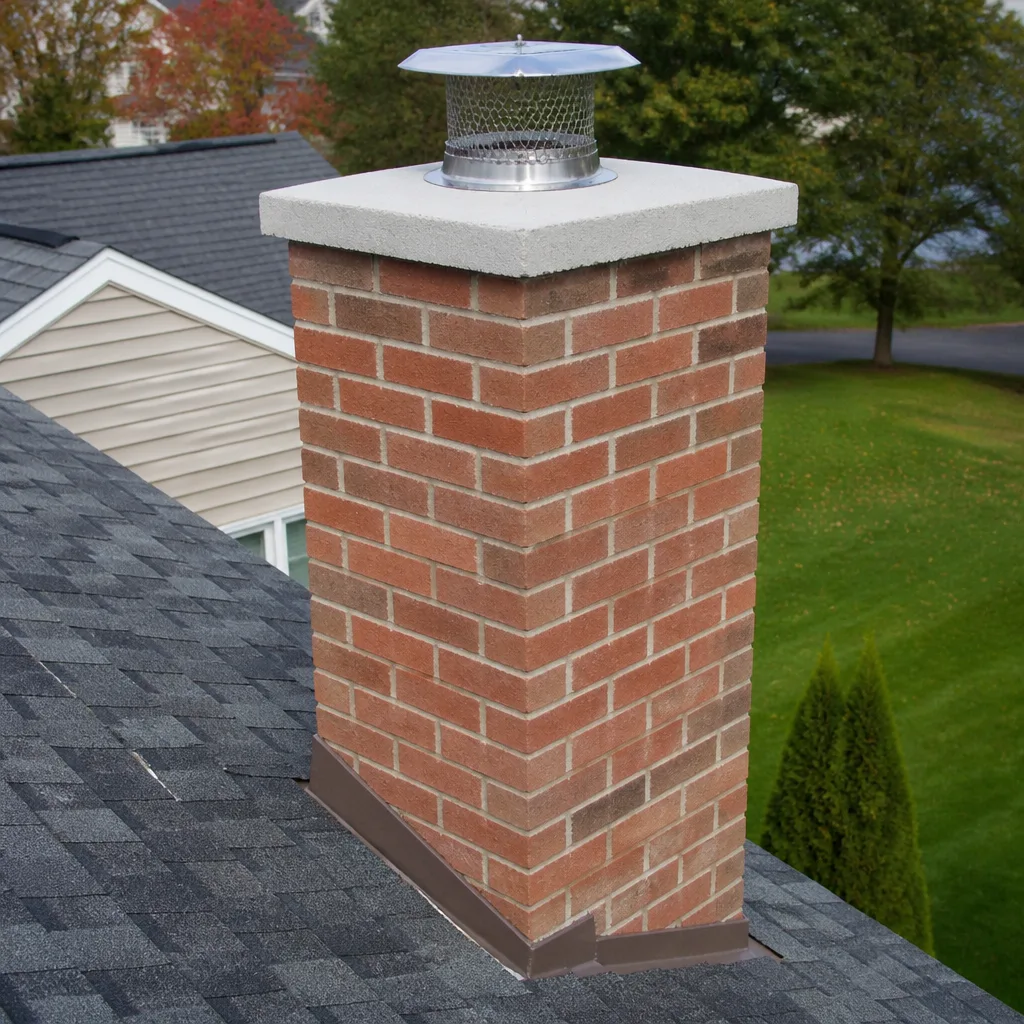
Last updated November 25, 2026
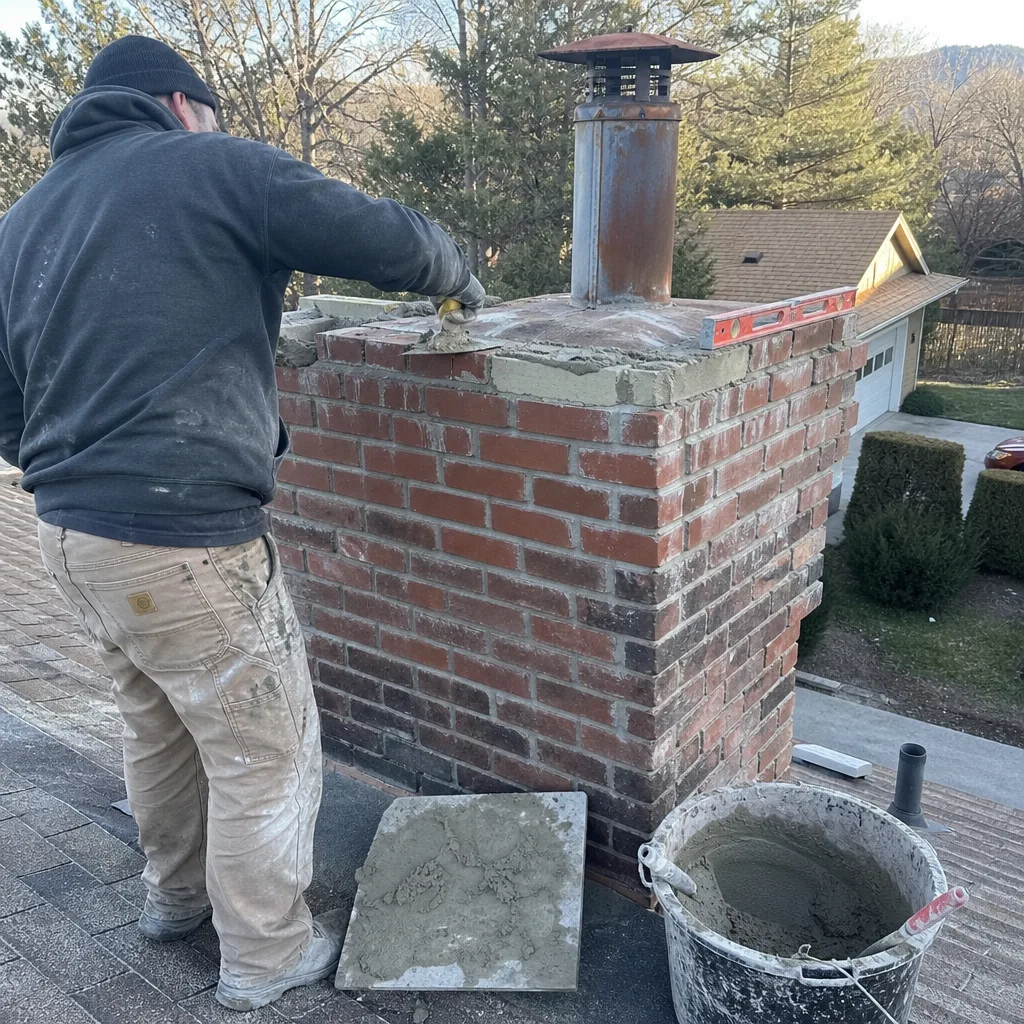
 Sweep & inspection
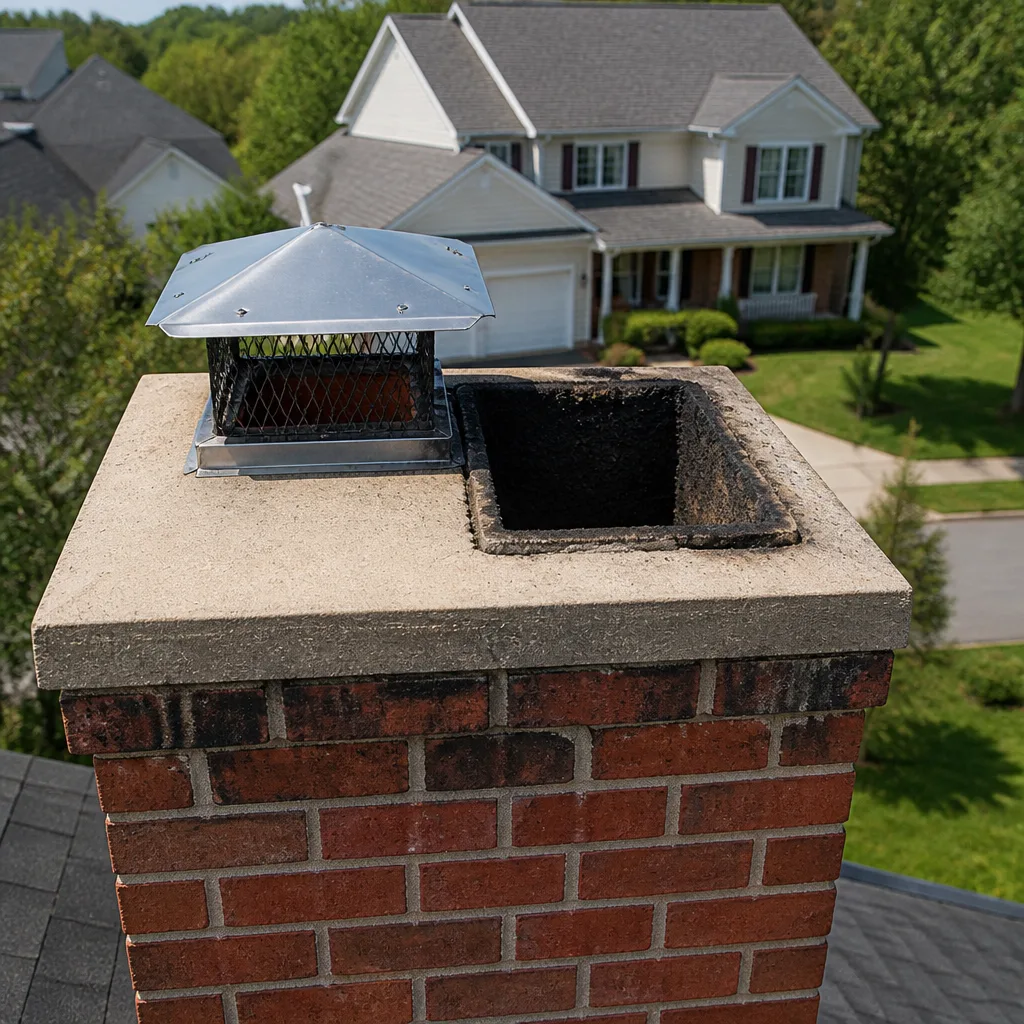
 Caps & crowns
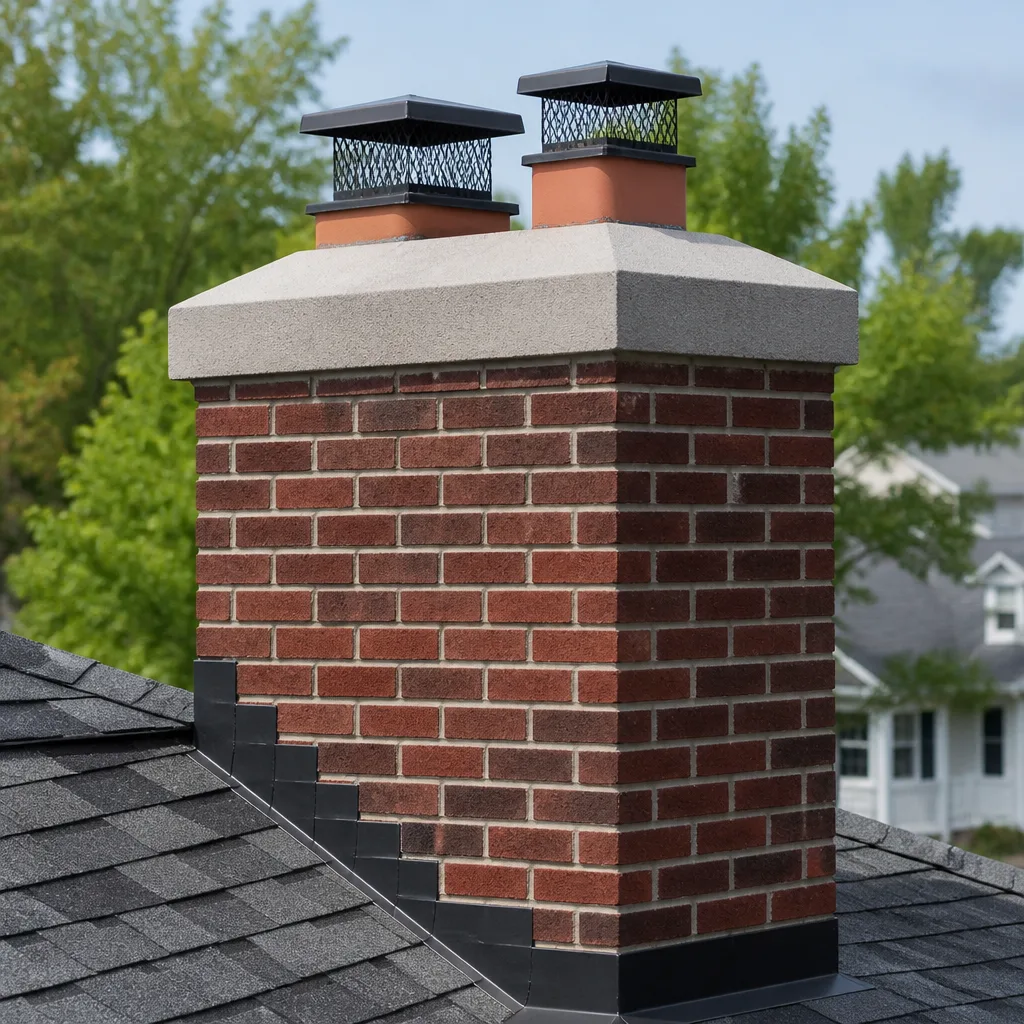
 Flue relining
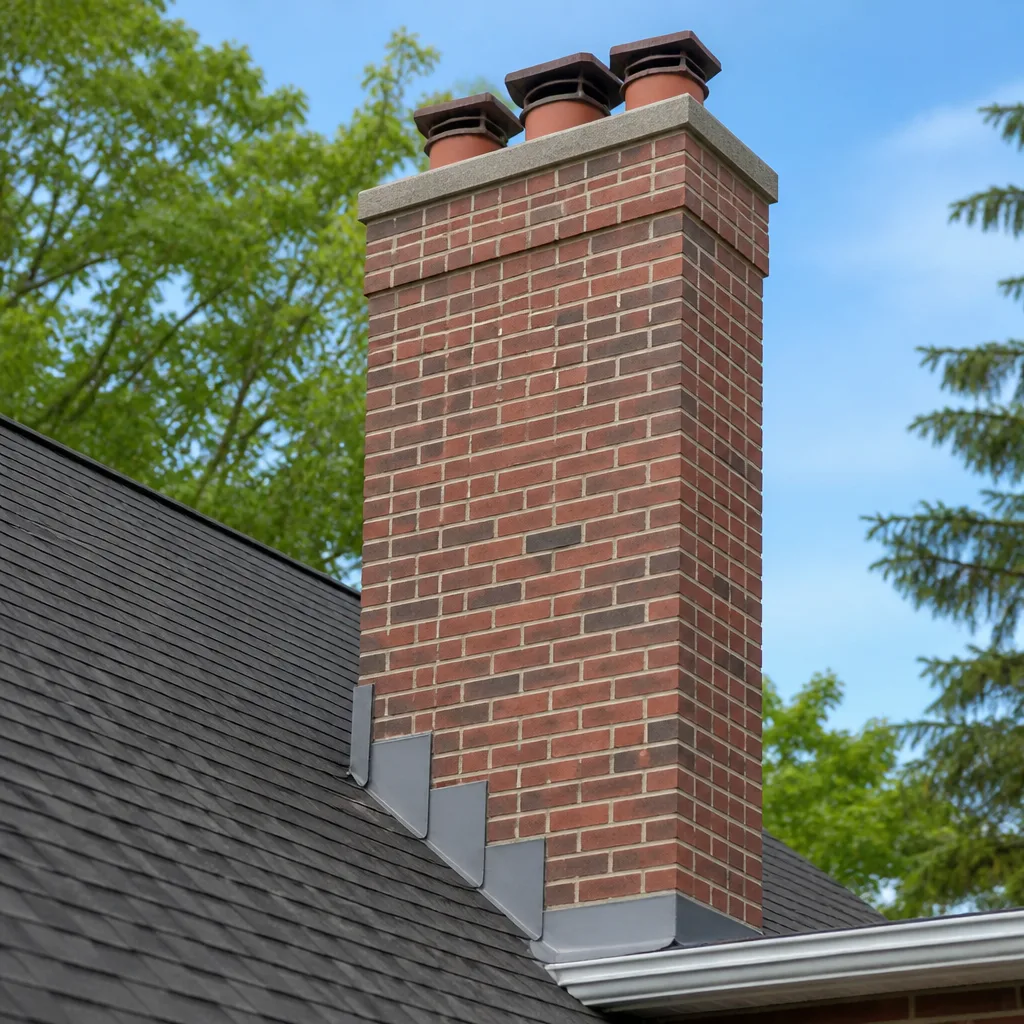 Masonry repair
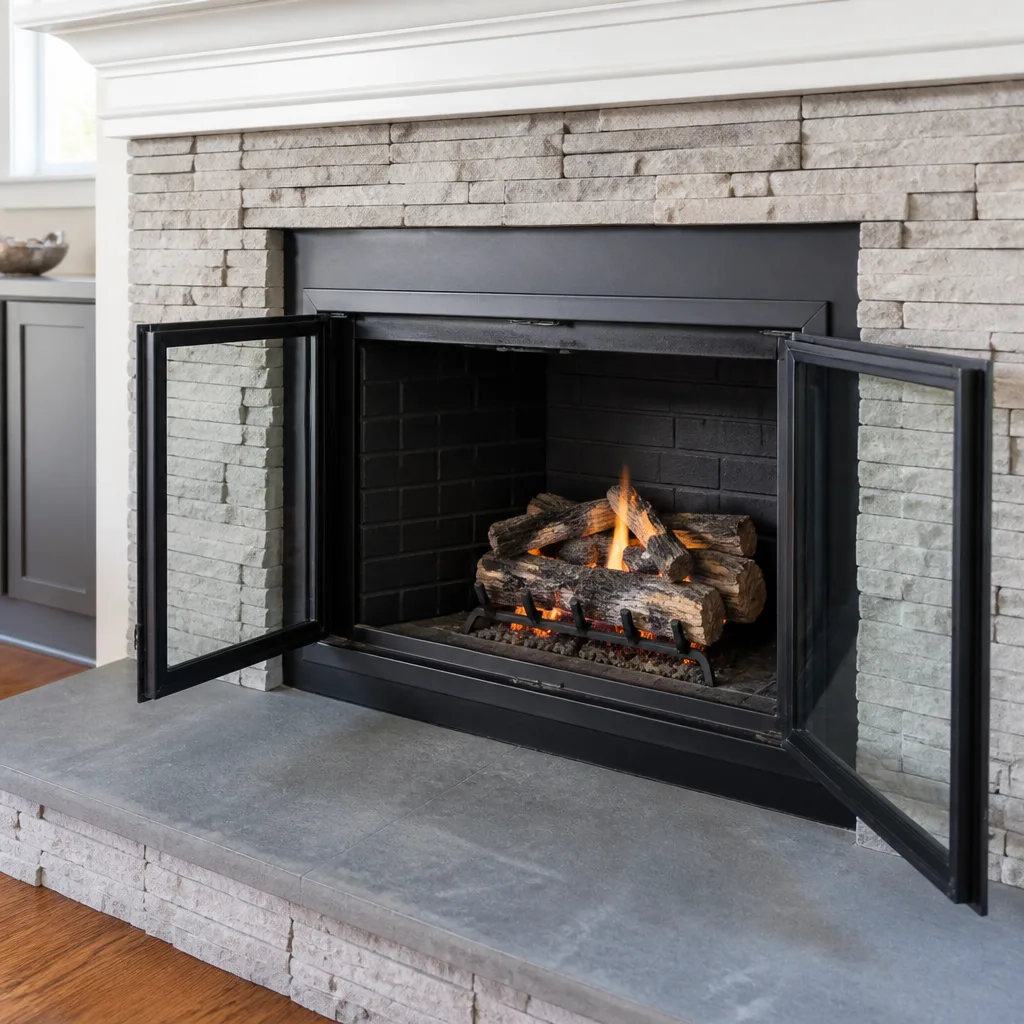 Gas fireplace service
Level 1 sweep and inspection to the NFPA 211 annual standard - flue, crown, cap, and flashing checked and photographed
Chimney sweep logs do not sweep chimneys. They loosen some creosote - which then falls where a brush and vacuum still have to collect it.
How to Hire a Chimney Cleaning Contractor in Boulder: A Step-by-Step Guide
Most homeowners in Boulder hire a chimney sweep the same way they pick a plumber: they search, they see a friendly website, and they book the first name that shows up. The trouble is that Colorado doesn’t license chimney sweeping. Anyone with a brush, a ladder and a van can knock on your door and charge for a sweep. There’s no state test to pass, no credential to verify, no board to complain to. That means the safety of your flue rests entirely on the questions you ask before you book. This guide walks through the exact vetting process we’d want a neighbor in Boulder to use, from verifying certification to reading an inspection report to comparing quotes that look nothing alike on paper.
Quick Answer
To hire a chimney cleaning contractor in Boulder, verify current CSIA certification, ask whether the company inspects the full flue system or just the firebox, insist on a written inspection report with photos, and confirm the equipment (HEPA vacuum and a camera) before the truck pulls up. The best protection you have in a state that doesn’t license sweeps is a short list of smart questions asked before booking.
Styles & brands we work with
- Sweep & inspection
- Caps & crowns
- Flue relining
- Masonry repair
- Gas fireplace service
Table of Contents
- Why CSIA Certification Matters and How to Verify It
- Specialist or Generalist: The Scope-of-Work Questions That Reveal the Difference
- What a Written Inspection Report Should Contain
- Equipment Questions That Signal a Professional Operation
- How to Compare Quotes When the Line Items Don’t Match
- The Five Questions to Ask Before You Book
- Boulder-Specific Considerations for Your Chimney
- Common Mistakes to Avoid
Why CSIA Certification Matters and How to Verify It
CSIA certification is the closest thing the chimney trade has to a professional standard, and it’s the single most useful filter when hiring in Boulder. The Chimney Safety Institute of America runs a certification program that requires passing a written exam, maintaining continuing education, and renewing on a set cycle. A certified sweep has demonstrated knowledge of venting, combustion, and code. A non-certified one may still be skilled, but you have no way to know before they’re on your roof.
The part most homeowners miss: certification can lapse. A contractor who earned the credential years ago and let it expire will sometimes still advertise it. Before you book, ask for the certification number and check it against the CSIA’s public directory yourself. It takes two minutes. If the number comes back inactive, that tells you something useful about how the company handles its own details.
What to ask on the phone
- “Are you currently CSIA certified, and can you give me the certification number?”
- “How many technicians on your team hold the certification?”
- “Do you carry general liability insurance, and can you send a certificate of insurance before the visit?”
Insurance is the second half of this. If a technician drops a brush or damages a damper on your roof, you want the company’s policy covering the work, not a handshake and a promise. Ask for a certificate of insurance by email before the appointment. Any legitimate operation will send one without hesitation.
We work with independent local professionals who hold the credentials their trade requires, and we recommend the same check on every contractor you consider. It’s the foundation the rest of this guide rests on. Start with a sweep at chimney sweep and the rest follows.
Specialist or Generalist: The Scope-of-Work Questions That Reveal the Difference
A chimney specialist understands the flue as a system: firebox, smoke chamber, damper, flue liner, cap and crown all working together. A generalist who added sweeping to the menu sweeps the firebox and calls it done. The two produce very different outcomes, and the gap shows up in the questions they can answer.
Ask a contractor to describe what a sweep on your specific chimney would include. A specialist will talk about brushing the flue from the top down, checking the damper for smooth operation, inspecting the smoke chamber for creosote glazing, and confirming that the cap allows proper draft. A generalist will say “we sweep the chimney.” That’s the tell.
Scope questions that separate the two
- “Do you inspect the flue liner itself, or just the firebox?”
- “Will you check the smoke chamber and the damper plate?”
- “How do you handle creosote that’s glazed rather than powdery?”
- “Do you check the cap and crown for cracking or gaps?”
- “If you find a problem, what’s the process for documenting it and talking through options?”
Glazed creosote is the question that trips up a lot of operators. Stage-three creosote is hard, shiny and flammable. It doesn’t come off with a standard brush. A specialist knows this and will say so. A generalist will sometimes brush at it, declare the chimney clean, and hand you a bill. That’s the wrong outcome, and it’s the reason this question matters.
Boulder’s housing stock adds a wrinkle. Many homes here have masonry chimneys built decades ago, some with flue tiles that were never sized for modern wood stoves or inserts. A specialist notices an undersized flue and flags it. A generalist sweeps whatever is there and moves on. If your flue turns out to need relining, ask whether the contractor has access to flexible liner systems and resurfacing methods, or whether they’ll subcontract that work out. Full-service chimney care means the diagnostic and the fix live under one roof, and that’s a topic we’ll come back to.
Why the specialist/generalist split matters in practice
A sweep-only company can clean your chimney. What it can’t do is rebuild a crown, install a new cap, or restore a cracked liner. When those problems turn up during a sweep, the sweep-only operator refers you onward, and you start the vetting process again with a second contractor. A full-service chimney specialist handles the whole list. The check you do up front saves you a second and third round of it later.
What a Written Inspection Report Should Contain
A written inspection report is the single most useful document the contractor will hand you, and skipping it is one of the clearest red flags in the trade. The report should follow the structure the industry uses: a level one inspection for a routine annual check, a level two when there’s a change in the system (new appliance, real estate transaction, or evidence of a problem), and a level three for hidden areas that require opening up the structure. Your routine sweep should come with at least a level one report in writing.
What belongs in that report:
- The date of service and the type of inspection performed
- A description of the chimney type, liner material and appliance
- Condition findings for the firebox, damper, smoke chamber, flue liner, cap and crown
- Photos or video stills supporting each finding
- The degree of creosote observed, described in plain language
- Recommended next steps, with a clear line between “needs attention now” and “monitor this”
If a contractor hands you a handwritten receipt with “swept chimney” on it and nothing else, you’ve paid for a cleaning but not an inspection. Those aren’t the same thing, and the difference is where safety issues get caught. Ask before the appointment what the report will look like. A real specialist will describe it without hesitating.
We inspect before we recommend. That’s a phrase we use because the sequence matters: the camera and the flashlight come out first, the recommendations come after, and every recommendation is backed by something you can see for yourself. If a company leads with a sales pitch before it’s looked at anything, the order is backward.
Equipment Questions That Signal a Professional Operation
Equipment is the quietest signal of quality in the chimney trade. A sweep with a drop cloth, a hand brush and a shop vac will leave dust in your living room and miss the interior condition of the flue. A professional-grade operation brings different tools, and asking about them on the phone separates the two faster than any review will.
The four pieces of equipment to ask about
- HEPA vacuum. A true HEPA filtration unit captures the fine soot that a shop vac pushes back into the room. Ask whether the vacuum is HEPA-rated, not just “industrial.”
- Camera inspection tool. A chimney camera lets the technician see the interior of the flue from the top down. Without one, a liner crack or offset can go unnoticed. Ask whether camera inspection is included or extra.
- Rotary cleaning tools. For glazed creosote, a rotary whip or chain is more effective than a hand brush. Ask how the company handles hard creosote.
- Drop cloths and floor protection. Sounds basic. The companies that skip it are the ones you’ll be vacuuming after.
Boulder’s dry climate matters here. Dust and soot that would settle in a more humid environment gets airborne more easily. A HEPA vacuum isn’t a luxury in this market; it’s the difference between a clean living room and a fine grey film on every surface. If a company can’t tell you what vacuum it uses, that’s your answer.
The best sweeps we know of bring a professional-grade vacuum and a camera as standard, not as an add-on. When you’re comparing contractors, weight the equipment list heavily. It’s harder to fake than a website.
How to Compare Quotes When the Line Items Don’t Match
Comparing quotes from three chimney contractors is like comparing three restaurant bills written in different languages. One itemizes the sweep, the inspection and the cap separately. Another bundles everything into a single number. A third quotes the sweep but leaves the inspection as a “complimentary service” with no written report. You can’t compare those numbers directly, and treating them as equivalent is how homeowners end up paying more for less.
A method for getting apples to apples
- Ask each contractor for a written scope. Not just a price, a scope. What’s included, what’s not, what triggers an additional charge.
- Standardize the line items. If one quote includes camera inspection and another doesn’t, add the camera cost to the lower quote before comparing.
- Check what the inspection includes. A written report with photos is a different product than a verbal “looks fine.”
- Look at what’s explicitly excluded. The exclusions are where surprises live. Read them twice.
- Confirm the final price is set by the written estimate. Estimates are estimates; the written number is what you’re agreeing to.
The final price on the estimate sets what you pay. If a quote changes after the technician arrives, ask for an updated written estimate before any work proceeds. No reputable operation will push back on that request.
One more thing to check: whether the quote covers a full-service chimney specialist or just the cleaning. If the company can’t handle a cap or crown replacement, or a liner restoration, you’re buying a sweep and a conversation, not a solution. Comparing a sweep-only price to a full-service price is comparing two different businesses. Make sure you know which one you’re pricing.
The Five Questions to Ask Before You Book
If you remember nothing else from this guide, remember these five questions. They take about ten minutes on the phone and they’ll screen out most of the wrong contractors before they ever pull into your driveway.
- “Are you currently CSIA certified, and what’s your certification number?” Then verify it yourself on the CSIA directory. Lapsed certifications are common.
- “What does your sweep include beyond the firebox?” You want to hear flue, damper, smoke chamber, cap and crown. A one-word answer is a red flag.
- “Will I get a written inspection report with photos?” Yes is the only right answer. If the company skips the report, skip the company.
- “What equipment do you bring, and is camera inspection included?” HEPA vacuum and camera are the floor. Ask whether the camera is standard or extra.
- “If you find a problem, how do you document it and what are the next steps?” You want a specialist who can fix what they find, not one who refers you out.
If a contractor answers all five cleanly, you’ve found a real specialist. If any answer gets vague or defensive, thank them and move on. Boulder has plenty of options, and the wrong one costs more than the right one ever will.
If you’re ready to skip the screening process, we can help. Call (877) 820-8761 for a free estimate. We answer 24/7. Fast dispatch from 7am to 7pm, Sunday through Friday. You’ll get the written inspection report, the camera findings, and a recommendation you can see with your own eyes.
Boulder-Specific Considerations for Your Chimney
Boulder’s climate puts a specific kind of pressure on chimneys. Cold winters, big temperature swings between day and night, and long dry stretches all work on masonry in different ways. Freeze-thaw cycles open hairline cracks in the crown and mortar joints. The dry air makes creosote formation a little less predictable than in a wetter climate, because the wood you burn and how you season it matters more than ambient humidity. Homes here often burn a mix of wood types, and a chimney that sees hard, dense wood needs a different cleaning rhythm than one burning softwood.
The housing stock adds its own complications. Boulder has a lot of older homes with masonry chimneys that were built before modern flue-sizing standards, and a fair number of them have been retrofitted with wood stoves or inserts over the years. Those retrofits aren’t always matched to the original flue. A specialist will notice a sizing mismatch and flag it. A generalist will sweep the flue and move on, and the mismatch will surface later as poor draft or a safety issue.
If your chimney turns out to need a new liner, the fix isn’t always a full rebuild. HeatShield’s ceramic resurfacing system is one method for restoring a cracked or deteriorating flue liner without demolition, and flexible liner systems like DuraFlex are another route for chimneys with offsets that a rigid liner can’t navigate. Not every sweep company offers either. Ask the question before you book, and you’ll know whether the contractor can finish the job or just start it.
Water is the other Boulder-specific threat. Spring snowmelt and summer thunderstorms both find the same weak points: a cracked crown, a missing or undersized cap. Those two items cause more moisture damage to Boulder chimneys than any single other source. A contractor who talks about cap and crown work as part of the annual check is thinking about the whole system. One who only talks about sweeping is not. We stock professional-grade products from brands like Gelco, Olympia Chimney and Famco, which matters when a repair needs to hold up through another Colorado winter.
Common Mistakes to Avoid
- Booking on price alone. The cheapest sweep in Boulder is usually cheap because it’s not doing the full job. When two quotes differ by half, one of them is missing the inspection, the camera, or the written report.
- Accepting a verbal “you’re all set.” A sweep without a written report leaves you with no record of the chimney’s condition. Ask for the report before the technician leaves.
- Skipping certification verification. A lapsed CSIA credential looks identical to a current one on a website. Check the number against the directory yourself.
- Treating a sweep and an inspection as the same thing. A cleaning removes creosote. An inspection evaluates the system. Book the inspection, get the cleaning, and read the report.
- Hiring before asking about equipment. A shop vac and a hand brush will leave soot in your house and miss a liner crack. Ask about HEPA and camera up front.
- Assuming a generalist can do the repair. If the company can’t handle a cap, crown or liner, you’ll be hiring again in a month. Ask what’s in scope beyond the sweep.
- Letting a quote change after arrival. Estimates are set in writing. If the number moves, ask for an updated written estimate before any work starts.
When to Call a Professional
Some chimney issues are obvious. Others aren’t. Call a professional if you notice smoke rolling back into the room when you light a fire, a strong creosote odor that lingers even when the fireplace is cold, visible cracks in the masonry or the crown, water stains on the ceiling near the chimney, or a cap that’s loose or missing. If you’ve just bought an older home in Boulder and haven’t had the chimney inspected, book a level two inspection before your first fire. If it’s been more than a season since the last sweep, that’s the other trigger. Shine a flashlight up the flue once a month during burning season; if you can see more than an eighth of an inch of soot, it’s time. Boulder Chimney Sweep Pros offers free estimates in Boulder. Call (877) 820-8761 to book a sweep and inspection. Nothing gets recommended without camera evidence you can review, and we’ll tell you plainly when a repair can safely wait.
See the difference
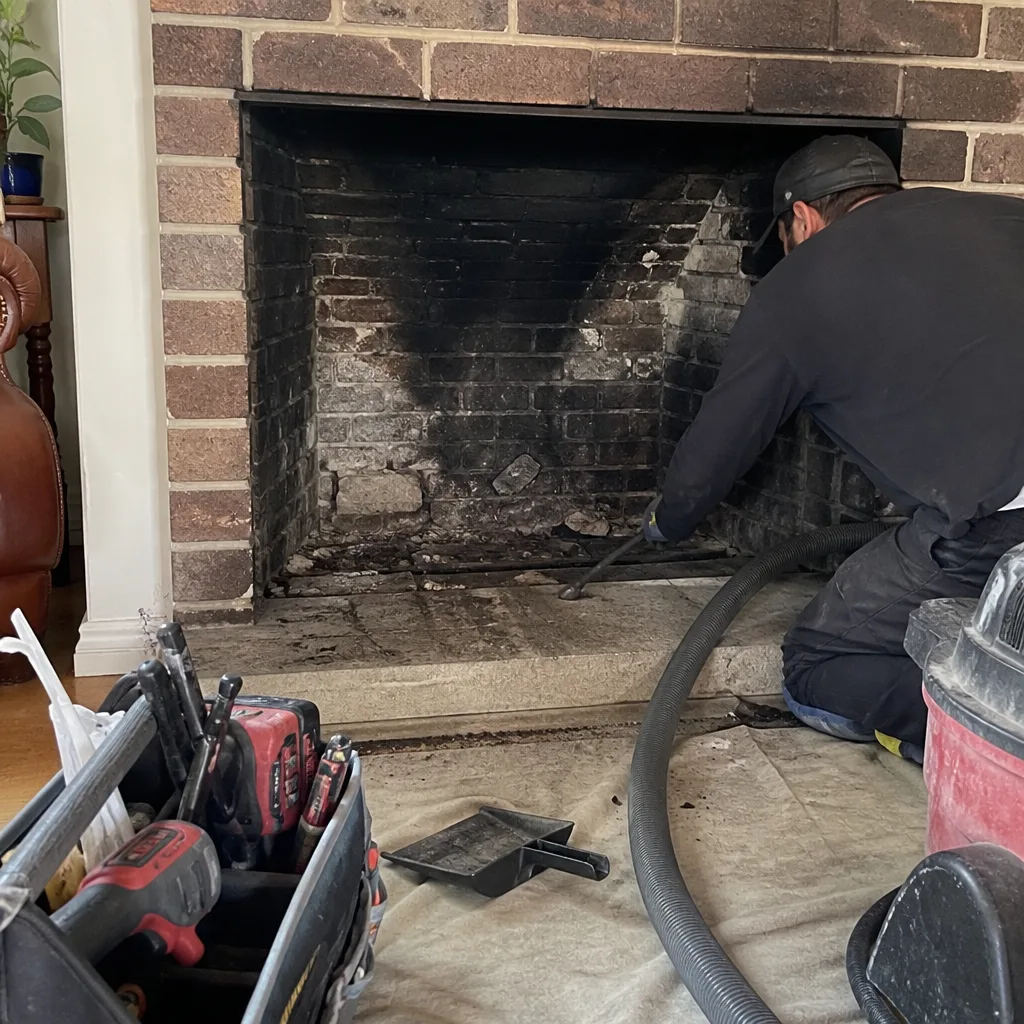 Before
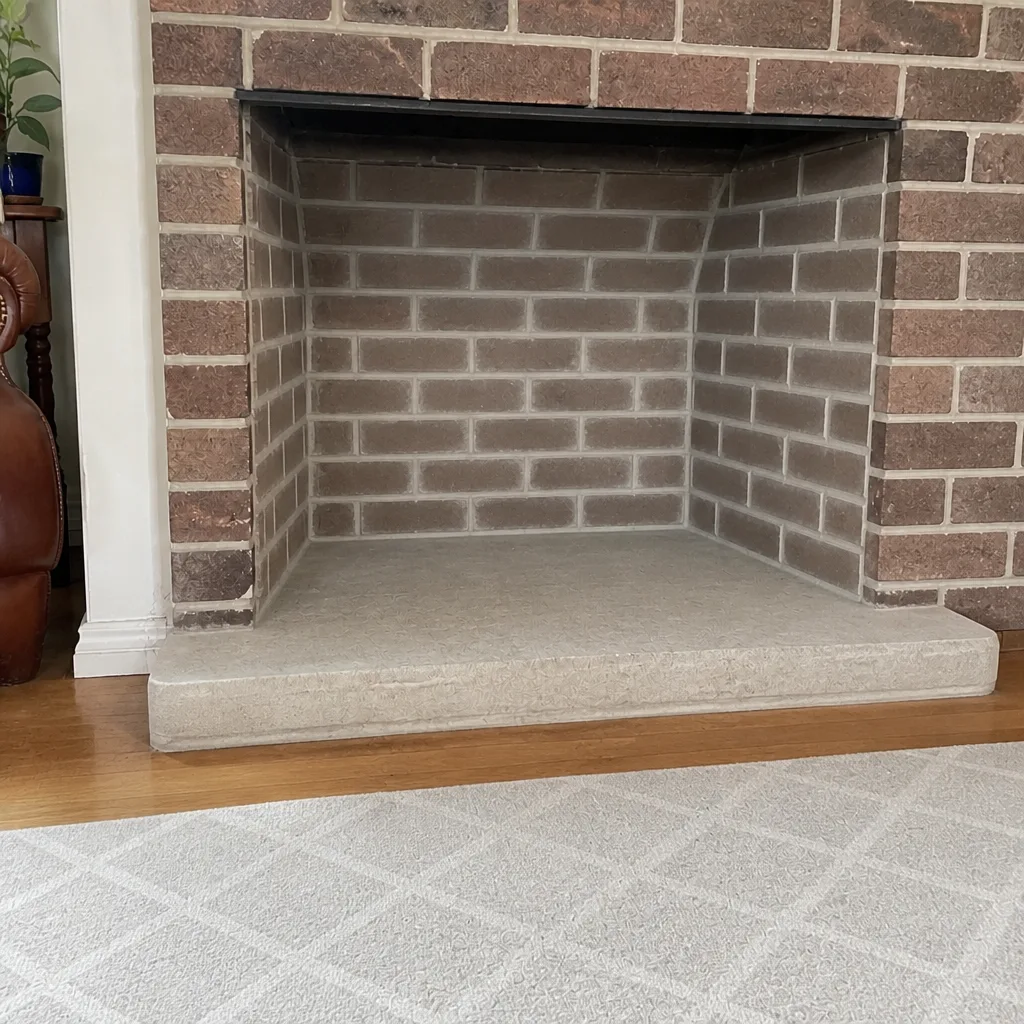 After
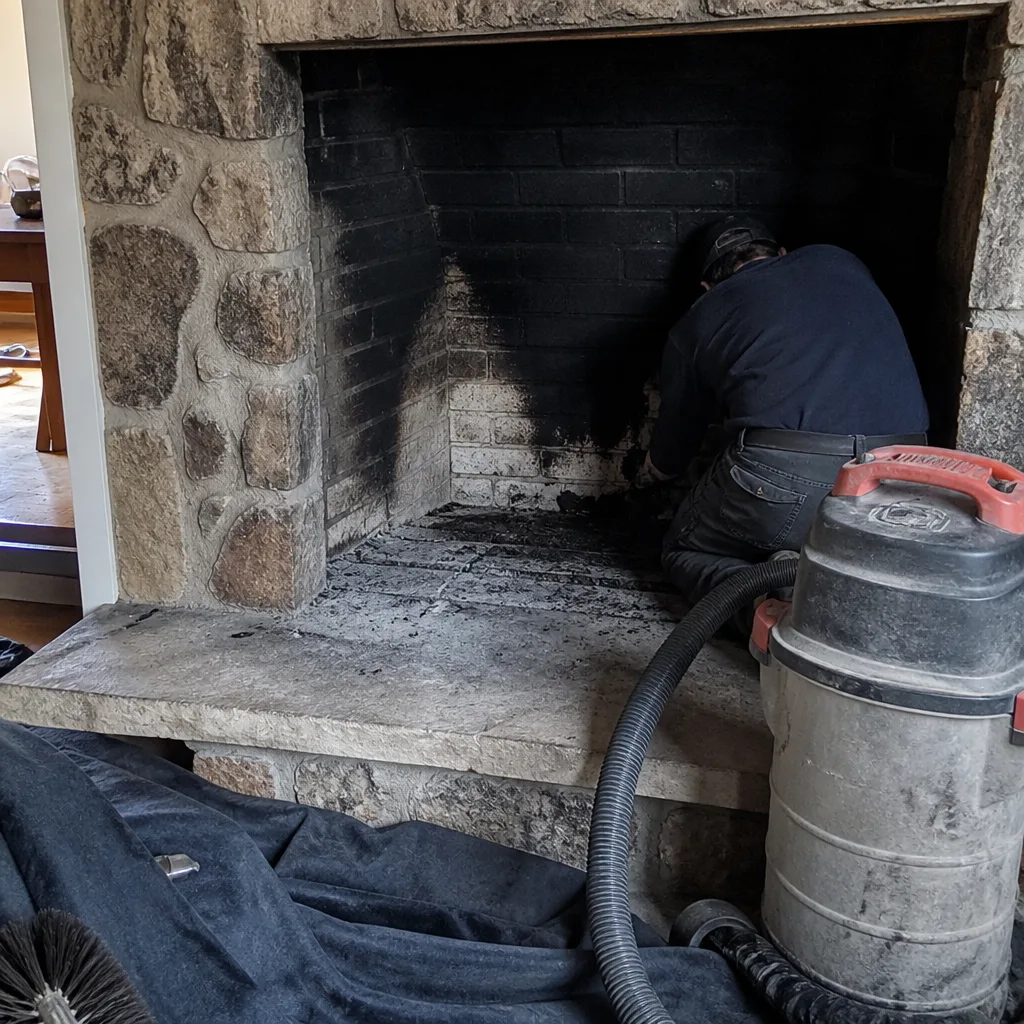 Before
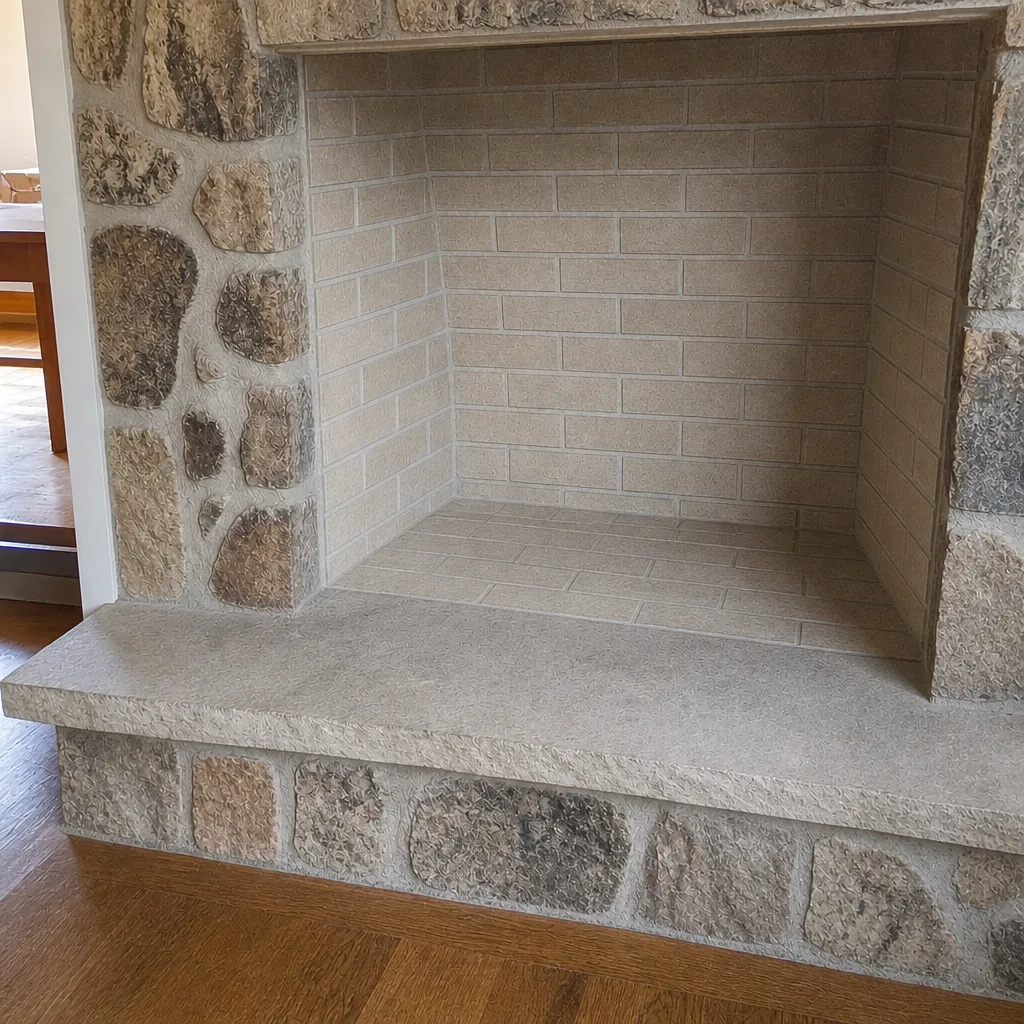 After
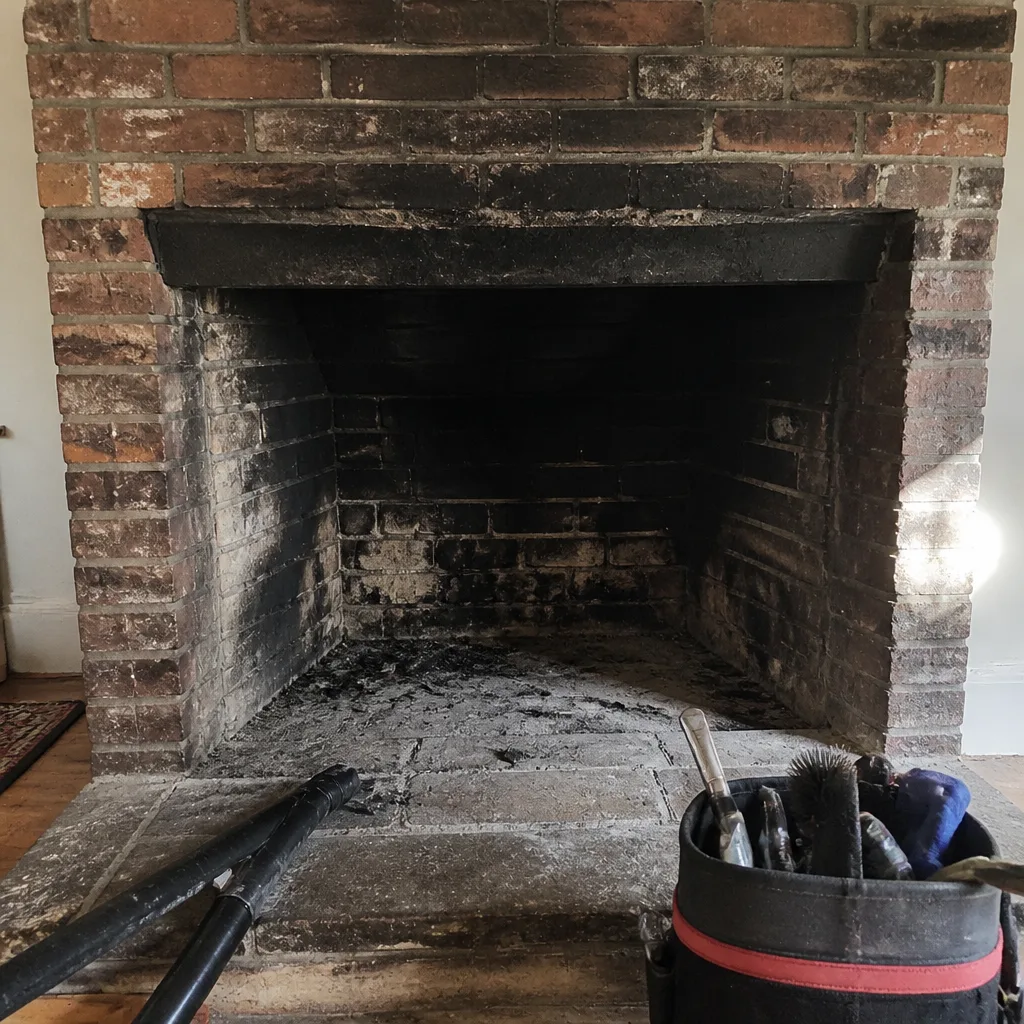 Before
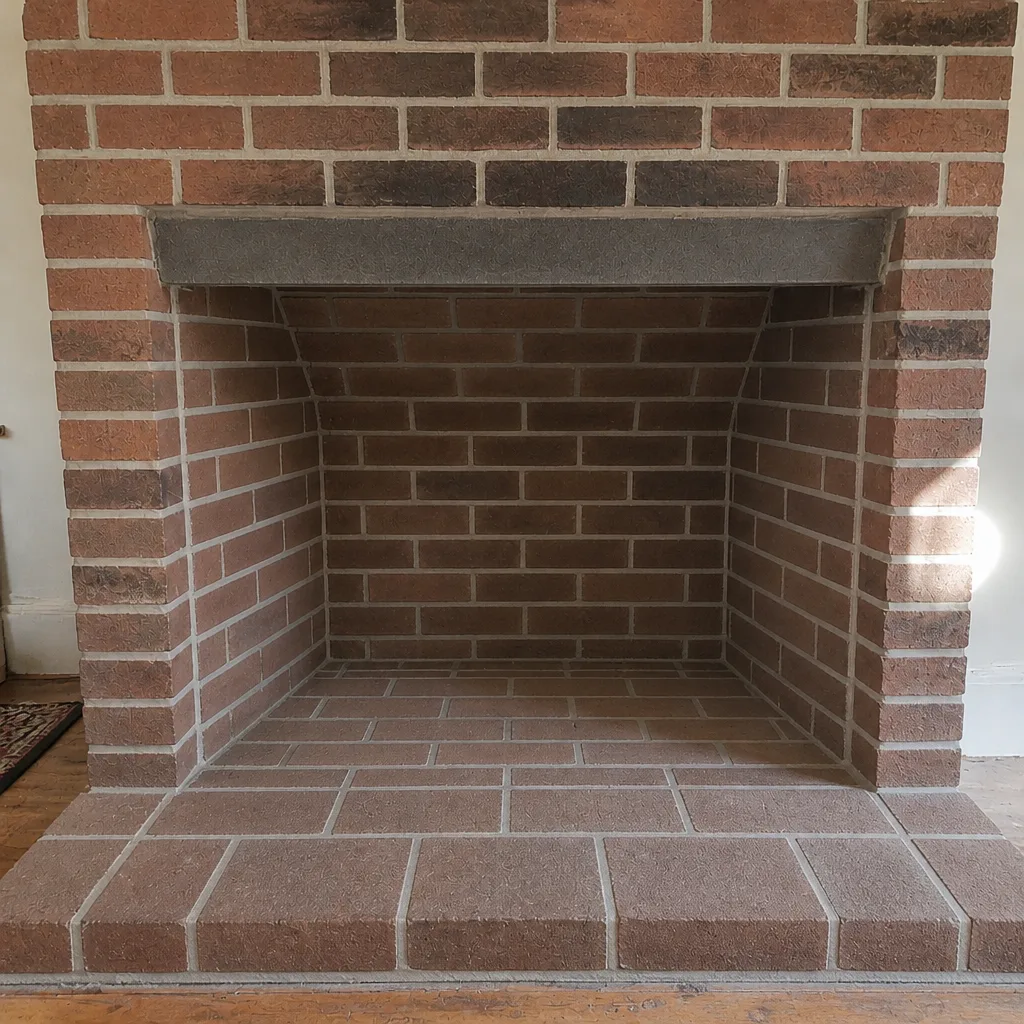 After
Frequently Asked Questions
A standard chimney sweep in Boulder typically falls in the range of a few hundred dollars, and the exact figure depends on the chimney type, how much creosote has built up, and whether camera inspection is included. The written estimate sets the final price, and estimates are free. Call (877) 820-8761 for an exact quote.
Only if the camera inspection shows the existing liner is cracked, deteriorated, or improperly sized for the appliance. A liner restoration method like HeatShield’s ceramic resurfacing can sometimes solve the problem without a full reline, and flexible systems like DuraFlex handle chimney offsets that rigid liners can’t. You should see the camera evidence before you agree to any liner work. Call (877) 820-8761 to book an inspection with photos.
Once a year for most wood-burning fireplaces, and more often if you burn frequently or burn unseasoned wood. Gas fireplaces need an annual inspection even though they don’t produce creosote. The eighth-of-an-inch rule is a good mid-season check. Call (877) 820-8761 to schedule the annual sweep.
Creosote builds up in layers, and at stage three it becomes glazed and flammable, which raises the risk of a chimney fire. Skipping the sweep also means skipping the inspection, and the inspection is where cracked liners, damaged crowns and loose caps get caught before they become expensive. Call (877) 820-8761 for a sweep and written report.
No. Colorado doesn’t license chimney sweeps, so there’s no state requirement to hold any credential. CSIA certification is voluntary, which is exactly why it’s a useful filter: a contractor who holds it has chosen a professional standard the state doesn’t force. Verify the certification number against the CSIA directory before booking. Call (877) 820-8761 to ask about the credentials of the pro we connect you with.
A sweep removes creosote and soot from the flue. An inspection evaluates the condition of the firebox, damper, smoke chamber, liner, cap and crown, and produces a written report with the findings. You need both, and a good contractor delivers them together. Call (877) 820-8761 to book a sweep with a written inspection report included.
The Bottom Line
Hiring a chimney contractor in Boulder comes down to asking better questions than the next homeowner. Verify the CSIA certification is current, not just advertised. Ask what the sweep actually covers beyond the firebox. Insist on a written report with photos. Confirm the equipment before the appointment. Compare quotes by scope, not by bottom-line number. The right contractor is a specialist who sees the chimney as a system and can handle the repair as well as the cleaning. If you’d rather skip the screening, call (877) 820-8761. We answer 24/7. Fast dispatch from 7am to 7pm, Sunday through Friday. Free estimates, camera evidence you can see, and a written report on every visit.
Related Services
Once you’ve vetted your contractor, the next step is usually the work itself. A proper annual Boulder Chimney Sweep Pros visit covers the cleaning and the inspection together. If the report turns up damage inside the firebox, fireplace repair addresses the firebox, damper or refractory panels before the next fire. And if the findings involve the masonry, crown or flue liner, chimney repair covers the structural side of the system.
Written by the team at Boulder Chimney Sweep Pros.
What happens when you call
- 1
A real person answersNo phone trees – you reach a local pro.
- 2
You get an upfront price rangeHonest numbers before anyone is dispatched.
- 3
A background-checked tech heads outLicensed & insured, dispatched right away.
- 4
You approve before work beginsNothing starts until you say go.