
Last updated November 25, 2026
 Sweep & inspection
 Caps & crowns
 Flue relining
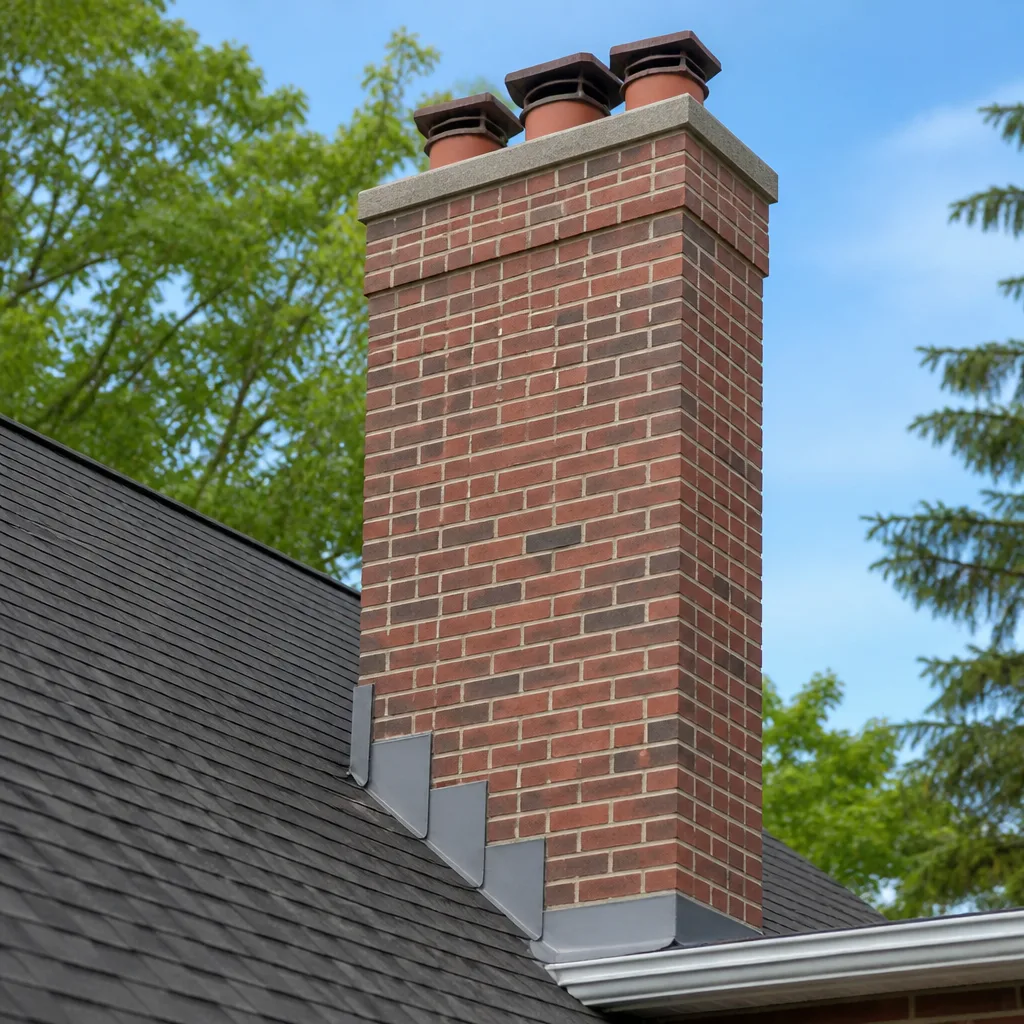 Masonry repair
 Gas fireplace service
Level 1 sweep and inspection to the NFPA 211 annual standard - flue, crown, cap, and flashing checked and photographed
Chimney sweep logs do not sweep chimneys. They loosen some creosote - which then falls where a brush and vacuum still have to collect it.
DIY vs Professional Chimney Cleaning: The Boulder Homeowner’s Decision Guide
A brush and a shop vac will remove loose soot. That part is true, and it’s why so many Boulder homeowners decide to handle chimney cleaning themselves. But loose soot isn’t the problem that burns houses down. Stage 2 creosote looks like shiny black paint fused to the flue wall, and it doesn’t brush off. No DIY kit tells you which one you’re looking at inside a dark flue, and that gap between what you can reach and what you can actually see is the whole decision in one sentence. This guide covers what a DIY cleaning can and can’t reveal, what the equipment really costs, why Boulder’s rooflines and altitude make roof access riskier than average, and the narrow case where doing part of the work yourself makes sense.
Quick Answer
Professional chimney cleaning in Boulder is the safer choice for most homeowners because a sweep includes a camera inspection that identifies creosote stage, liner condition, and draft problems a brush alone can’t detect. DIY brushing can remove light soot from an accessible flue, but it can’t tell you whether your liner is cracked or your flue is partially blocked, and those are the conditions that cause chimney fires and carbon monoxide exposure. Do it yourself only if you have a straight, easily accessed flue, a low-pitch roof, and no plans to burn heavily this season.
Styles & brands we work with
- Sweep & inspection
- Caps & crowns
- Flue relining
- Masonry repair
- Gas fireplace service
Table of Contents
- What a DIY Cleaning Can and Cannot Reveal
- The Three Diagnostic Blindspots: Creosote Stage, Liner Condition, Draft
- What DIY Chimney Cleaning Actually Costs
- Boulder-Specific Risks That Make Roof Access Harder
- Insurance and Liability After a Self-Certified Cleaning
- The Narrow Case Where DIY Makes Sense
- How a Professional Sweep Actually Works
- What a Homeowner-Assist Role Looks Like
What a DIY Cleaning Can and Cannot Reveal
Understanding the limits of a brush starts with understanding what a chimney actually accumulates. When wood burns, it produces smoke, water vapor, and unburned gases that condense on the cooler surfaces of the flue. What condenses depends on how hot the fire burned and how much air it got. Soft, dusty soot is the first stage; it brushes away easily. Glazed, hardened creosote is the third stage, and it takes mechanical action or chemical treatment to remove. In between sits Stage 2, which looks like shiny black paint and is the single most common reason a fire starts inside a flue.
Here’s what a DIY cleaning can do:
- Remove loose, Stage 1 soot from the flue walls of a straight chimney
- Clear an obvious bird nest or leaf blockage near the top
- Knock down light ash and debris from the smoke shelf
- Give you a general sense of how much soot has built up since the last cleaning
And here’s what it can’t do:
- Identify Stage 2 or Stage 3 creosote, which doesn’t come off with a standard brush
- Detect hairline cracks in a clay tile liner or a rusted-out section of a metal liner
- Measure draft performance or check for backdrafting
- See the smoke chamber and damper assembly, which sit above the firebox and are usually the dirtiest part of the system
- Check clearances to combustibles in the attic or at the roofline
That second list is not a sales pitch. It’s just what a brush is. The tool was designed to remove soot, not diagnose a system. In our experience, homeowners who sweep their own chimney almost always clean the part they can reach and assume the rest is fine. It usually is. But “usually” is not a word anyone wants attached to their flue liner.
The Three Diagnostic Blindspots: Creosote Stage, Liner Condition, Draft
Nearly every serious chimney problem comes down to one of three things a homeowner can’t see from the firebox. We’ve organized them below because each one determines whether your chimney is safe to burn in.
1. Creosote Stage
Creosote shows up in three recognizable stages. Stage 1 is flaky and dusty and brushes off. Stage 2 is glazed, shiny, and hard. Stage 3 is thick and tar-like and requires mechanical removal. A homeowner with a brush can spot Stage 1 easily. Stage 2 and 3 look like a smooth dark flue interior in the dark, and the difference between “normal” and “about to ignite” is invisible to an untrained eye without a camera and a light. A professional inspection identifies creosote stage precisely because that determination drives the cleaning method and the safety recommendation.
2. Liner Condition
Clay tile liners crack from heat stress, and metal liners corrode or separate at the joints. Both failures allow heat and combustion gases to escape into the structure of the house. Neither is visible from below without a camera. A cracked liner is the mechanism by which most chimney fires spread into framing, and it’s also the mechanism by which carbon monoxide enters living space. When we inspect a Boulder chimney, the liner condition is the single most important finding, and it’s the finding no homeowner can make with a brush in one hand and a flashlight in the other.
3. Draft Performance
Draft is the movement of air up the chimney that carries smoke and gases out of the house. A partially blocked flue, a mismatched flue size, or a nearby taller structure can all compromise draft. A DIY cleaning doesn’t test for it. A professional inspection does, and in a place like Boulder where altitude affects air pressure, draft issues show up more often than you’d expect.
What DIY Chimney Cleaning Actually Costs
Homeowners considering DIY usually do a quick comparison in their head: the cost of a brush set versus the cost of a professional sweep. The comparison seems obvious. But the real math is more interesting, mostly because “doing it properly” requires more than a wire brush from the hardware store.
What you’d actually need to buy
- A poly brush sized to your flue: roughly $30-$60 for a single brush
- Rods (extendable): roughly $80-$150 for a set long enough to reach the top of a one-story flue
- A strong shop vac with a HEPA filter: roughly $120-$250
- Drop cloths, respirator, goggles, gloves: roughly $60-$120
- A ladder rated for roof access: if you don’t own one, $150-$350
- A bright LED work light long enough to reach down the flue: $40-$80
Add those up and a properly equipped first-time DIY setup lands in the $500-$1,000 range. That’s a real investment, and it doesn’t include what you can’t buy: the training to recognize Stage 2 creosote or a hairline liner crack.
What a professional sweep includes
- A trained sweep who’s cleaned thousands of flues
- Camera inspection of the liner, smoke chamber, and damper
- Identification of creosote stage and liner condition
- A written report with photos the homeowner can see and keep
- Same-day advice on whether anything else needs attention
The price of a professional sweep varies, but the value sits in the diagnostic report, not the brush itself. You’re paying for someone to tell you, with evidence, whether your chimney is safe to burn in. When you do the math on a full DIY setup, the equipment cost alone closes most of the gap in the first year, and the diagnostic value never appears in a DIY column at all.
Boulder-Specific Risks That Make Roof Access Harder
Chimney cleaning on a roof is inherently dangerous. In Boulder, three local conditions compound that danger in ways homeowners from flatter or lower-elevation parts of the country don’t always anticipate.
Roofline pitch
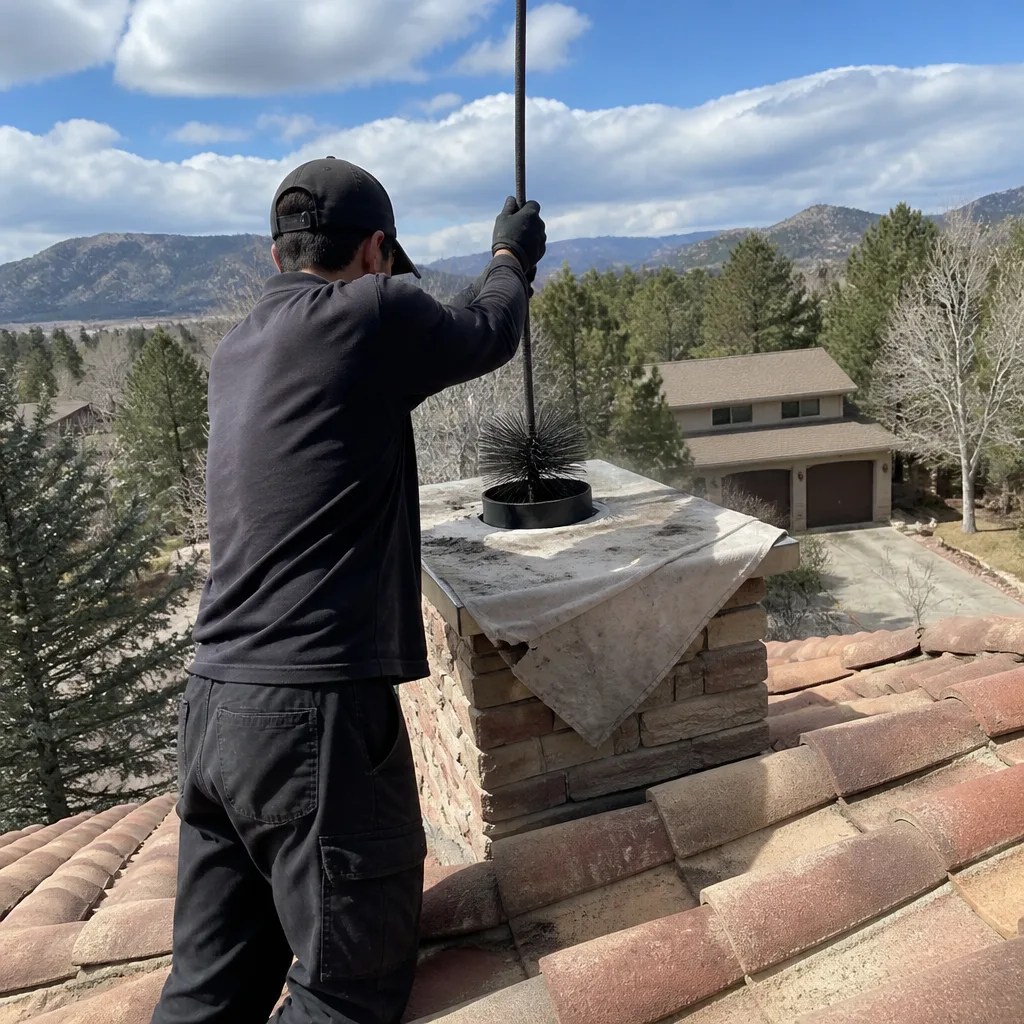
Many Boulder homes sit on sloped lots, and a lot of them have roofs with pitches that feel mild from the ground and feel quite different once you’re standing on them 20 feet up. Steep pitches, uneven shingle surfaces, and moss growth after a wet spring all increase slip risk. Cleaning a chimney from a ladder on a pitched roof is a job for someone who does it regularly and knows how to set up safely. A fall from a roof is not a minor injury.
Altitude and air pressure
Boulder sits at roughly a mile above sea level, and the thin air affects how chimneys draft. Fires in Boulder tend to burn slightly differently, and flues that would draft fine at sea level can struggle here. That’s not a reason to skip cleaning; it’s a reason the diagnostic part of the job matters more. A sweep that doesn’t account for altitude-related draft behavior is missing a real variable.
Wildlife
Boulder’s proximity to open space means chimneys are attractive to birds, squirrels, and the occasional raccoon looking for a warm spot. A nest near the top of a flue is a serious fire hazard and a blockage. Getting on a roof to deal with it yourself means climbing a ladder, reaching into a dark opening, and possibly startling an animal that would rather not be disturbed. Call a professional for wildlife blockages. It’s not a job for a homeowner in a hurry. A properly installed cap is the long-term fix here, and it’s a standard part of the cap and crown work we do.
Insurance and Liability After a Self-Certified Cleaning
Most homeowners never think about this part until something goes wrong. A chimney fire that follows a self-cleaned flue raises questions an insurance adjuster will ask. When was the chimney last inspected? By whom? Is there a record? A homeowner who cleaned their own chimney has no independent record that it was serviced, no documentation of the flue’s condition before the fire, and no evidence a trained professional reviewed the system. That gap can complicate a claim, and it can be the difference between a smooth settlement and a difficult one.
A professional inspection creates a paper trail. It includes photos, a written summary of findings, and a dated record of the visit. If a problem develops later, the homeowner has documentation showing what the chimney looked like when it was last serviced and what was recommended. That’s not a guarantee against anything; it’s just evidence, and evidence matters when an insurer is deciding how to handle a claim.
There’s also a liability angle. If a homeowner cleans their own chimney and later sells the house, a buyer’s inspector may flag the absence of professional service records. Seller’s disclosure obligations in Colorado don’t require a chimney report, but having one is a sign of a maintained home, and it’s the kind of thing that keeps a sale moving.
We can’t tell you how a given insurer will treat a given claim. That’s between you and your carrier. What we can tell you is that a professional sweep, chimney sweep, and inspection record is the kind of documentation that helps rather than hurts.
The Narrow Case Where DIY Makes Sense
There is a scenario where doing some of the cleaning yourself is reasonable, and it happens more often than you might think. If your chimney has a straight flue with easy access from the firebox, you clean it after every cord of wood, and you have a recent professional inspection that confirmed the liner is sound, you can absolutely brush between professional visits. That’s maintenance, not a replacement for inspection.
Here’s what that looks like:
- Get a professional inspection first to confirm liner condition and creosote stage.
- Buy a poly brush sized to your flue and a set of rods long enough to reach the smoke chamber.
- Clean from below when possible, not from the roof, to eliminate the fall risk.
- Use a HEPA shop vac, a respirator, and drop cloths to contain soot.
- Note how much soot accumulates per cord, and watch for a change from flaky to glazed.
- Book a professional sweep whenever the creosote looks different than last time.
That’s a reasonable middle ground. It’s not the same as skipping the professional entirely, and it’s not the same as pretending you can diagnose your own system. It’s maintenance between checkups, which is exactly how the job should be approached. But notice the first step. Without a professional baseline, you’re cleaning blind.
How a Professional Sweep Actually Works
A professional cleaning is a diagnostic process, not just a brush run. Here’s what happens when our technicians handle a Boulder chimney:
- Setup and protection. Drop cloths go down over the hearth and surrounding floor before any tools come out.
- Initial inspection from below. We check the firebox, damper, and smoke chamber with a light and a camera.
- Manual brushing. A poly brush sized to the flue clears soot from the walls, followed by a HEPA vacuum to contain the dust.
- Camera inspection of the liner. A camera run through the flue reveals liner condition, joint integrity, and creosote stage.
- Exterior inspection. We check the cap, crown, flashing, and the chimney exterior for signs of water intrusion or structural issues.
- Report and recommendation. You get photos and a written summary of what we found, with recommendations only where the evidence supports them.
The report is the part that matters most. If we see a cracked liner, we’ll tell you whether it needs a HeatShield restoration or a DuraFlex liner replacement. If the creosote is Stage 2, we’ll tell you what that means for your burn habits. If everything is fine, we’ll tell you that too, and we’ll tell you when you can safely wait before the next cleaning. We inspect before we recommend, and we’d rather tell you nothing needs doing than sell you a repair you don’t need.
If a liner turns out to be cracked or deteriorated, restoration is sometimes possible without a full rebuild. HeatShield’s ceramic resurfacing system can rebuild the interior surface of a damaged flue, and flexible liner systems like DuraFlex handle offsets and older masonry that rigid liners can’t reach. That range of options is why we carry brands like Gelco and Olympia Chimney alongside them, so a single inspection can lead to a single repair rather than a chain of separate contractors. And if the diagnosis lands on structural repair, our chimney repair work covers the masonry and cap-and-crown side in the same visit.
What a Homeowner-Assist Role Looks Like
Some homeowners want to be part of the process without taking on the risky parts. That’s a reasonable instinct, and it can work well. A homeowner-assist role means you stay involved in decisions and the physical work is handled by someone trained for it. Here’s what that looks like in practice:
- You decide the burn habits. We tell you what we found, and you decide what wood to buy, how to season it, and how often you burn. Those choices drive creosote buildup more than anything else.
- You handle the firebox-level maintenance. Ash removal, grate cleaning, and glass cleaning on a gas fireplace are homeowner jobs. We’ll show you how and where the line is.
- You review the report and decide on repairs. We send photos and a summary. You decide when to schedule the work, and you can ask every question you want before anything gets approved.
- You keep the records. Save the inspection reports. When you sell the house or file an insurance claim, that’s the documentation that matters.
What this role doesn’t include: climbing a ladder, reaching into a dark flue, or diagnosing your own liner. Those belong to someone trained for it, and the risk of getting them wrong is not worth saving the money. If your fireplace needs work beyond cleaning, our fireplace repair team handles the firebox and damper side as part of the same visit.
Common Mistakes to Avoid
- Assuming a clear flue means a safe flue. A chimney can draft fine and still have a cracked liner or Stage 2 creosote. Draft isn’t a diagnostic; it’s just one data point, and it can look fine right up until it doesn’t.
- Burning unseasoned wood because it’s cheaper. Green wood produces far more creosote than dry wood. In Boulder, where the burn season runs long, that difference shows up fast in how quickly the flue glazes over.
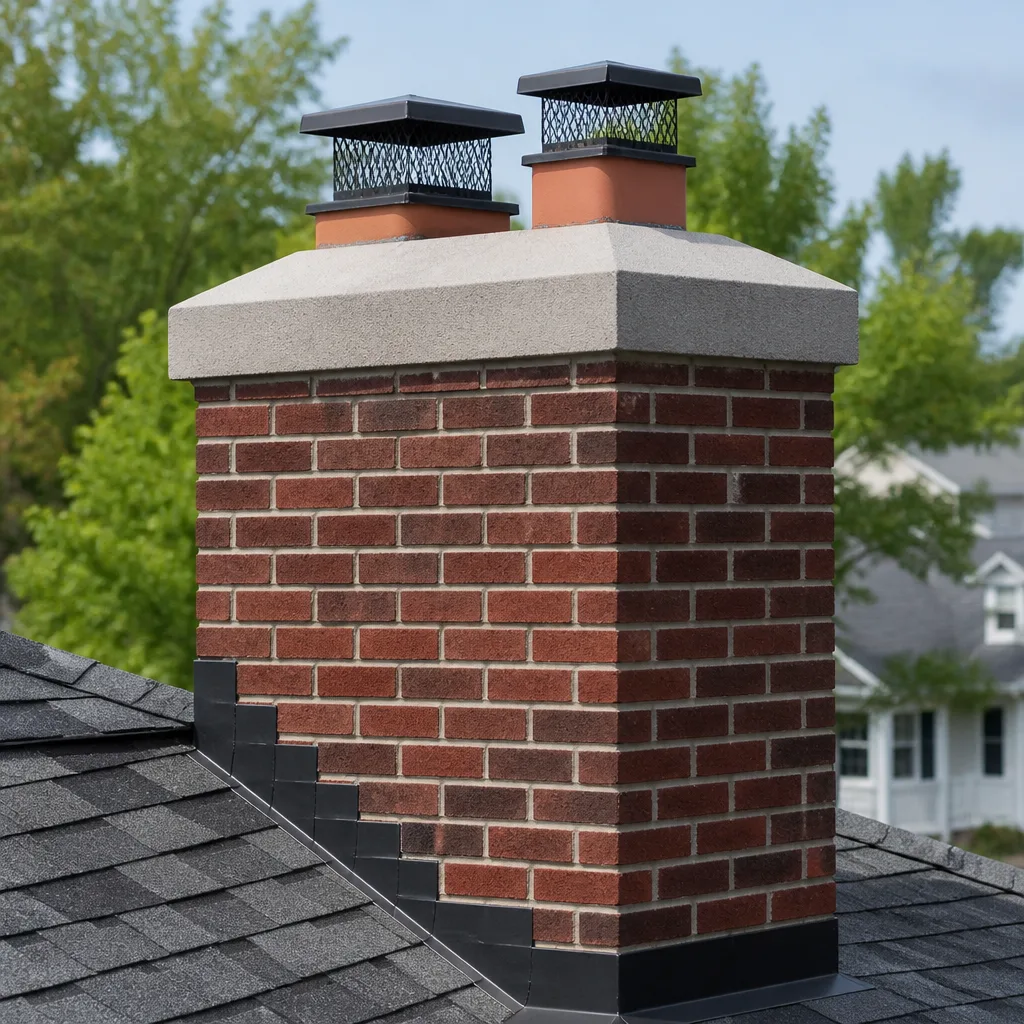
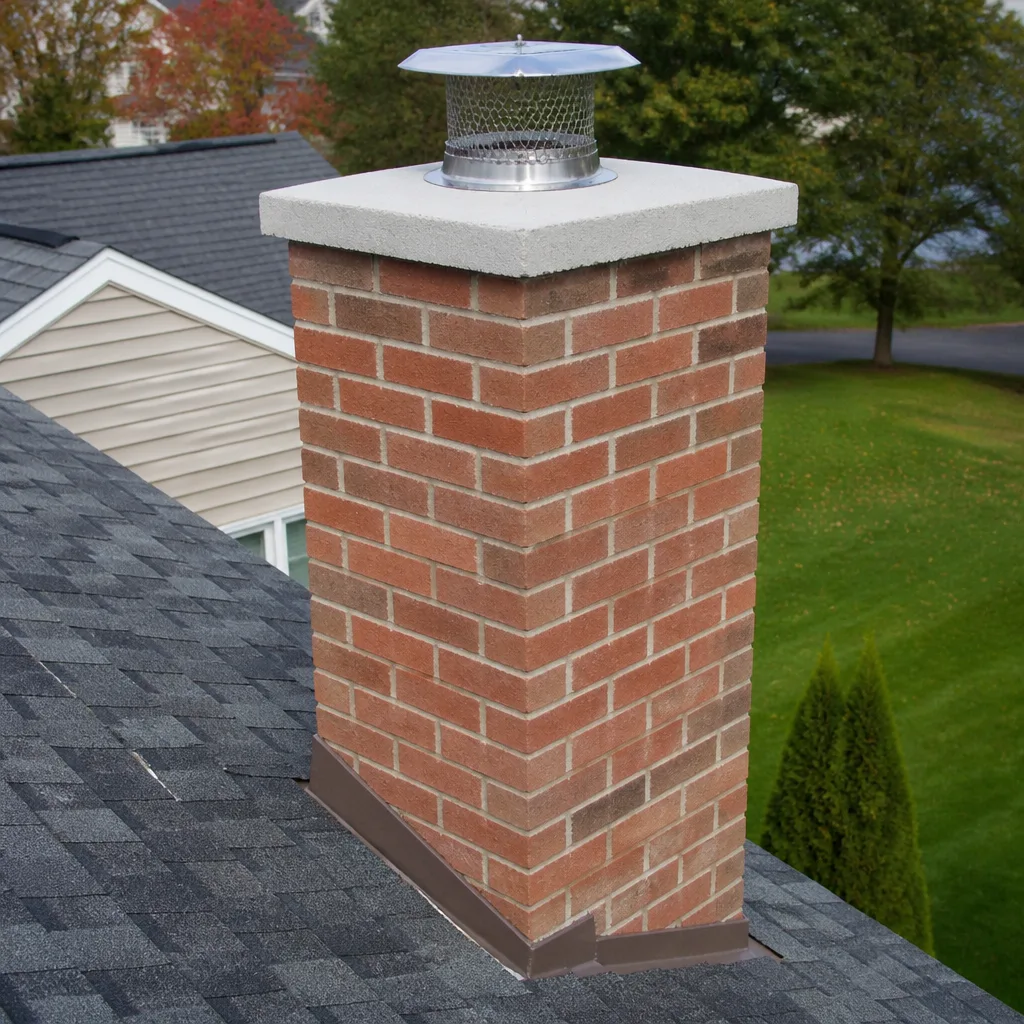
- Skipping the chimney cap. Rain, snowmelt, birds, and squirrels all get into an uncapped flue. A cap is inexpensive protection against the two biggest water intrusion points on the whole system.
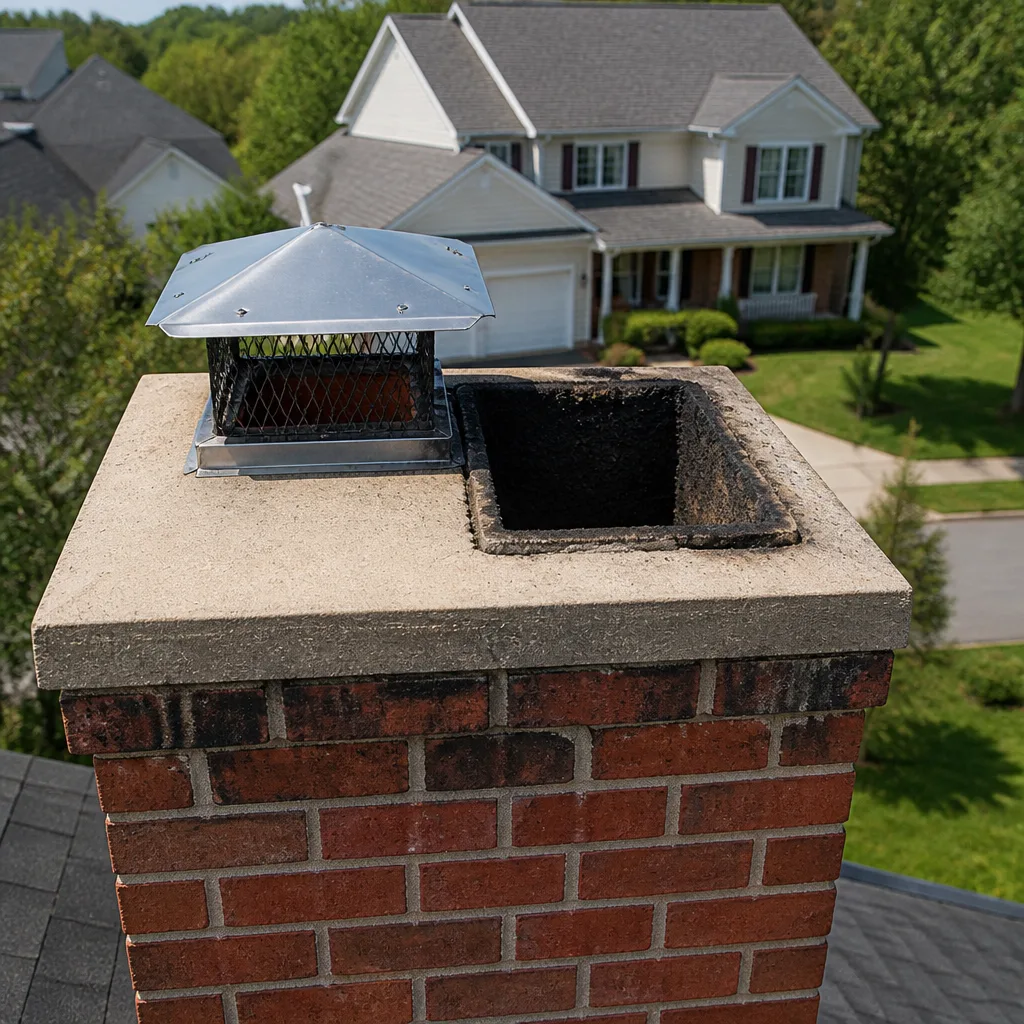
- Ignoring the crown. The crown is the concrete slab at the top of the chimney, and a cracked crown lets water into the masonry. That water freezes and thaws through Boulder winters and slowly destroys the structure from the inside.
- Cleaning from the roof when you don’t have to. Most straight flues can be cleaned from below. Climbing a pitched roof for no reason adds fall risk with no diagnostic benefit.
- Trusting a sweep that doesn’t show you the photos. If a technician tells you the liner needs replacing, ask to see the camera footage. A reputable sweep will always show you what they’re seeing.
- Believing a hardware-store brush kit will tell you everything. The kit is a tool, not an inspection. It doesn’t come with a camera, and it doesn’t know what Stage 2 creosote looks like.
See the difference
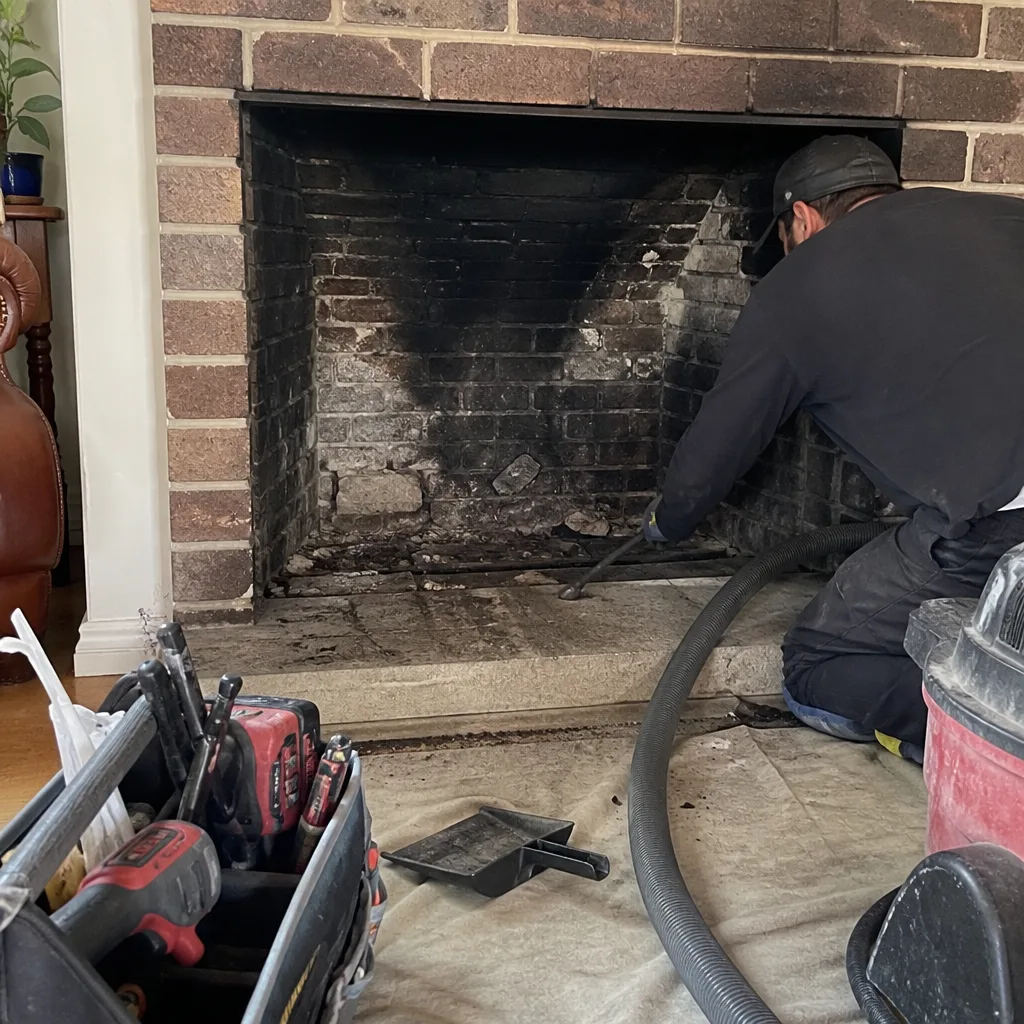 Before
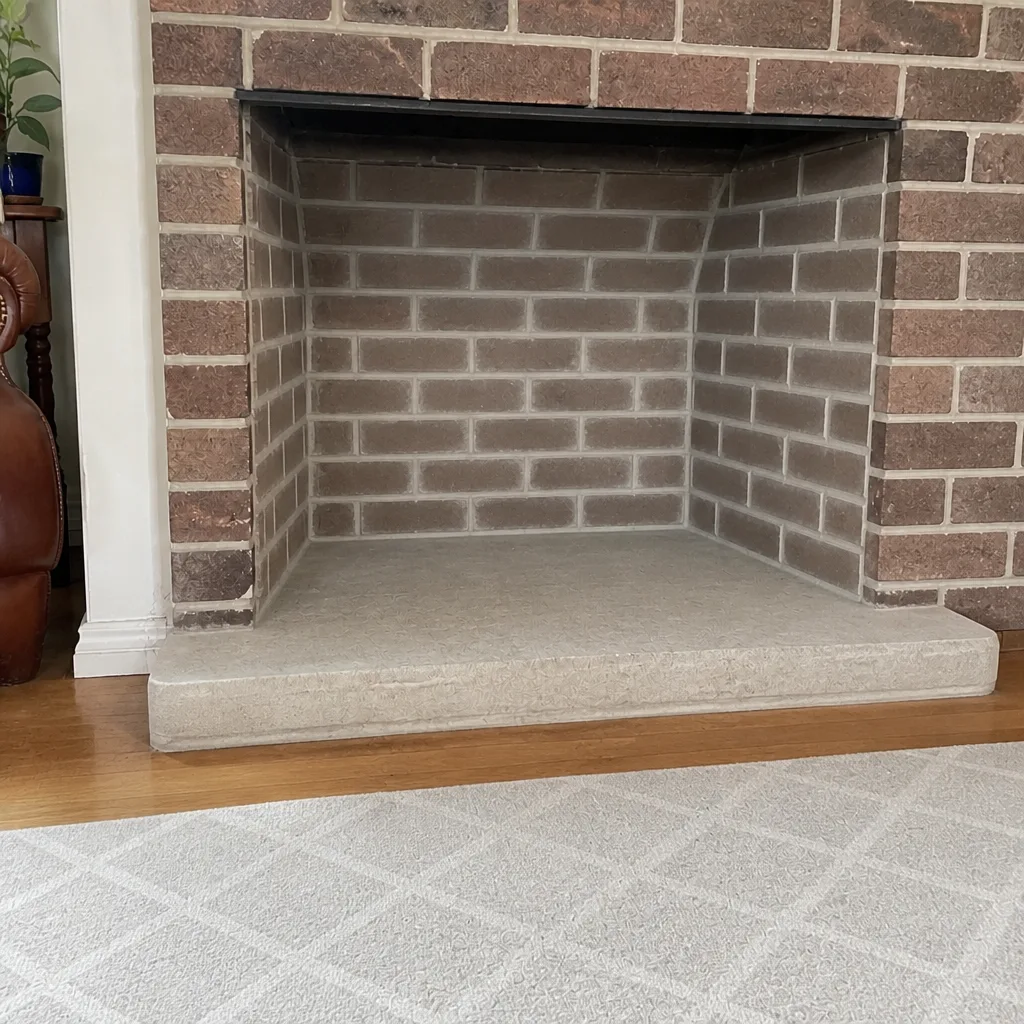 After
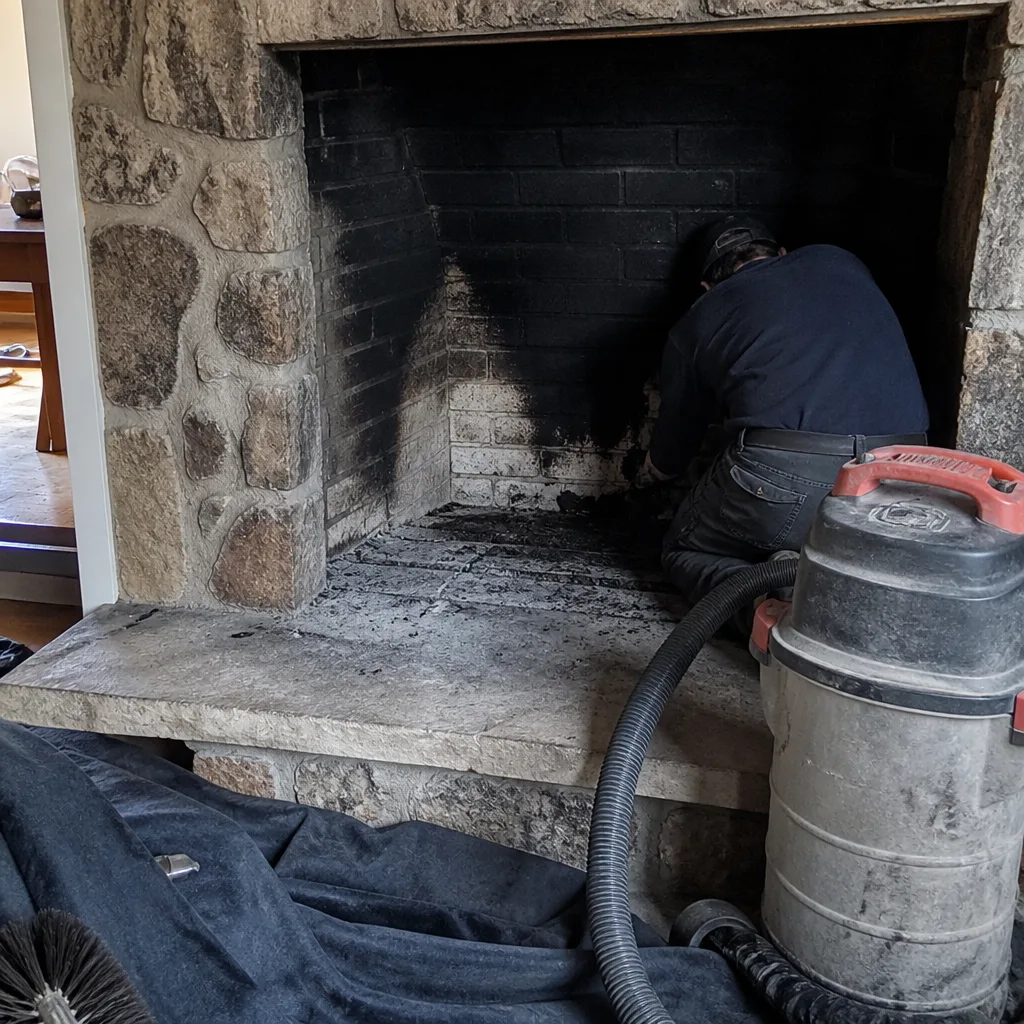 Before
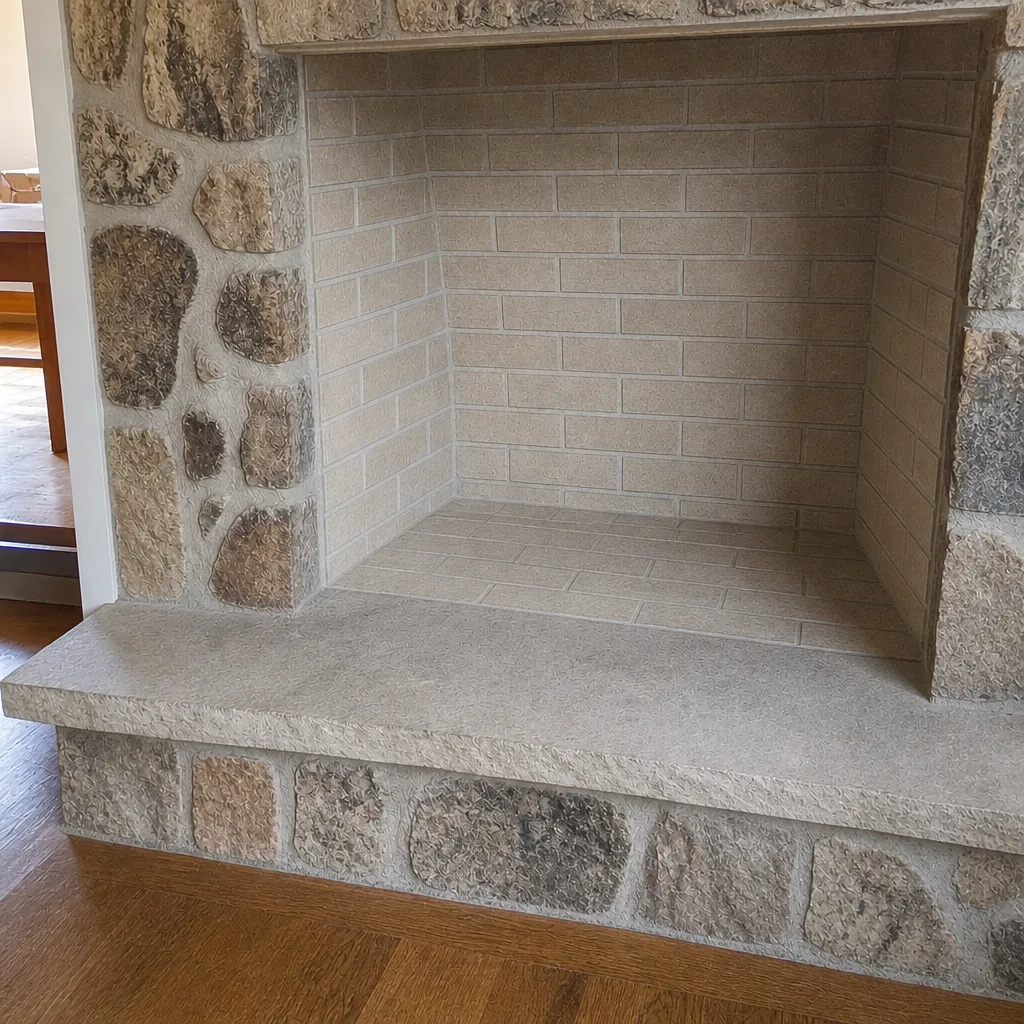 After
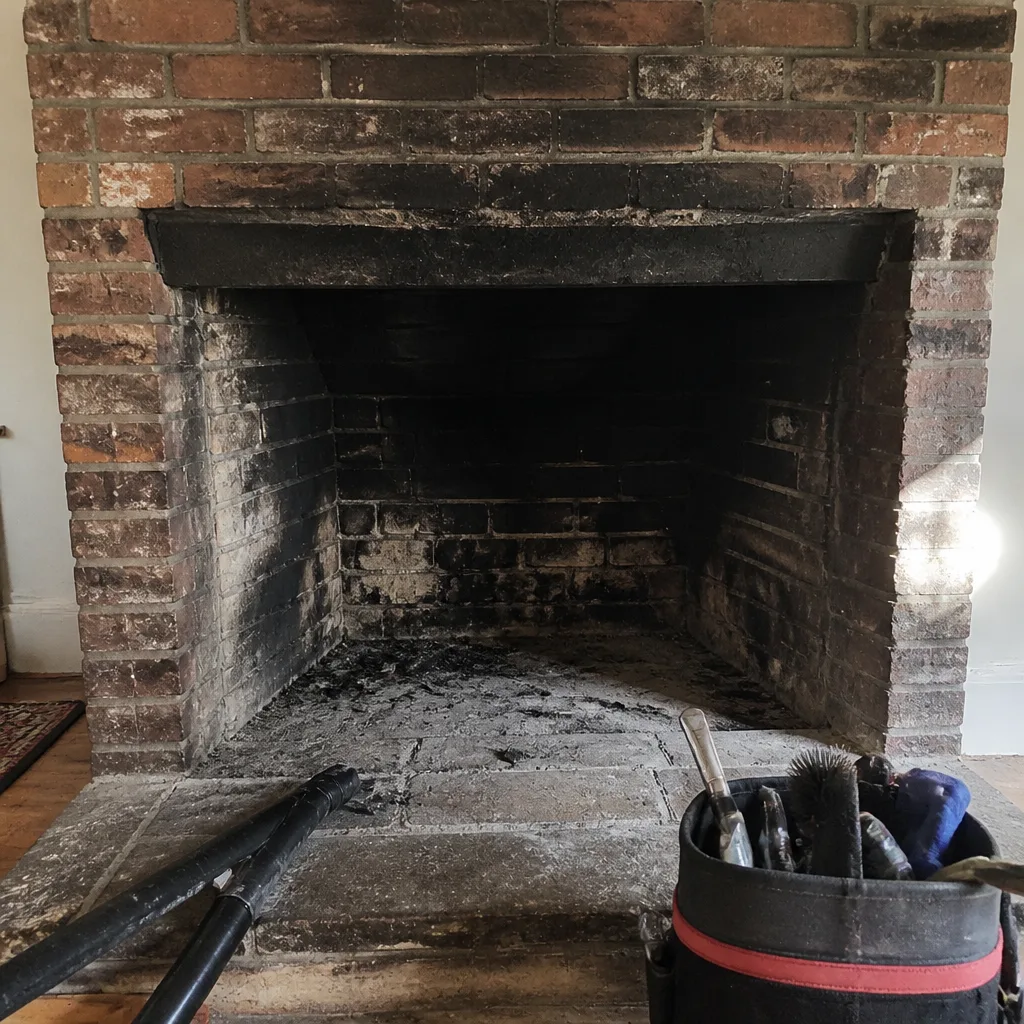 Before
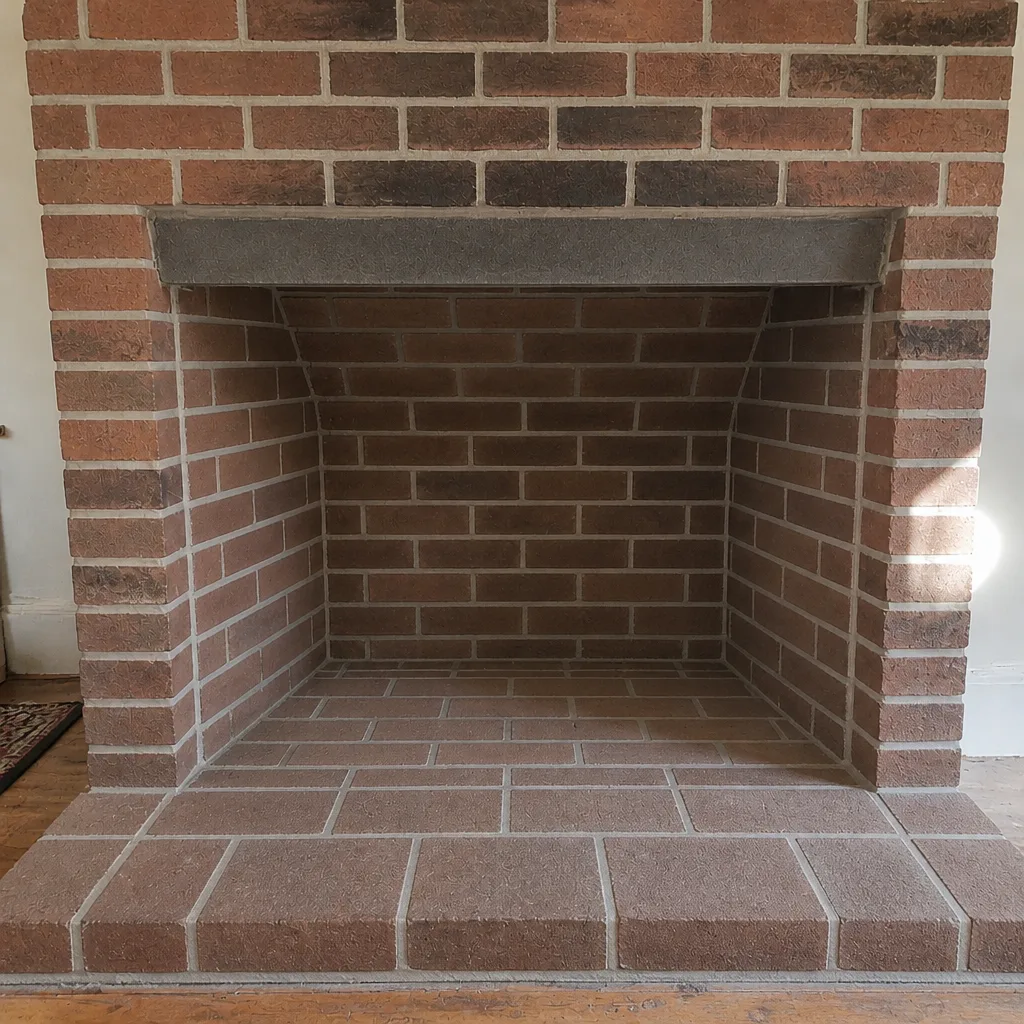 After
When to Call a Professional
Call a professional if your chimney hasn’t been inspected since you moved into the house, if it’s been more than a year since the last cleaning, or if you’ve burned more than a cord of wood this season. Call if you notice a strong creosote smell, smoke rolling back into the room, or visible soot on the firebox walls. Call if your chimney has a clay tile liner and you’ve had a chimney fire of any size, even a small one, because heat stress cracks are often invisible from below. Call if you have an older home in Boulder and no service records from the previous owner. And call if you’re simply not sure, because a free estimate is the cheapest way to answer the question.
Boulder Chimney Sweep Pros offers free estimates in Boulder. Call (877) 820-8761. We answer 24/7. Fast dispatch from 7am to 7pm, Sunday through Friday.
Frequently Asked Questions
Most chimneys should be swept once a year, and more often if you burn wood heavily. If you burn more than a cord of wood per season, or if you notice creosote buildup on the flue walls, book a sweep before the next burn season. The homeowner’s rule of thumb is simple: any time you see a quarter-inch of buildup, it’s time.
You can safely remove loose soot from a straight, accessible flue if you have the right tools and a recent professional inspection confirmed the liner is sound. What you can’t do is diagnose creosote stage, liner condition, or draft performance, which are the three things that determine whether your chimney is actually safe. Brush what you can see, and have a professional check what you can’t. Call (877) 820-8761 for an exact quote on a professional sweep; estimates are free.
A professional cleaning includes a camera inspection of the liner, identification of creosote stage, an exterior check of the cap and crown, and a written report with photos. DIY removes soot but skips all of the diagnostic work. The diagnosis is the part that prevents fires, and it’s the only part you can’t buy at a hardware store.
Pricing varies by flue configuration and access, and the written estimate sets the final price. The cost of a professional sweep should be weighed against the cost of a full DIY setup, which runs roughly $500-$1,000 for brushes, rods, a HEPA vacuum, protective gear, and a roof-rated ladder. Once you own the equipment, the professional inspection is still the part you can’t replicate. Call (877) 820-8761 for an exact quote; estimates are free.
Yes, especially if it’s been more than a year since the last professional inspection. A self-cleaning confirms the flue wasn’t visibly blocked; it doesn’t confirm the liner is intact or the creosote is only Stage 1. An inspection fills that gap and gives you a dated record for insurance purposes. In Boulder, where burn seasons are long and altitude affects draft, that record matters more than in flatter parts of the country.
Creosote accumulates, glazes over, and eventually ignites. A chimney fire can reach temperatures that crack the liner and spread into framing, and the risk grows quietly. Carbon monoxide exposure is the other concern: a blocked or damaged flue can push combustion gases back into the living space. Neither risk announces itself, which is exactly why an inspection matters. Call (877) 820-8761 for an exact quote; estimates are free.
The Bottom Line
DIY chimney cleaning is physically possible, and for a homeowner with a straight flue and a recent professional inspection, it’s a reasonable maintenance step between annual sweeps. But the diagnostic blindspots are the whole story. Stage 2 creosote, cracked liners, and draft problems all hide inside a dark flue where a brush can’t see them. The equipment cost of doing it properly is real, the roof access risk in Boulder is higher than average, and the insurance record of a professional inspection is worth more than the money you save. Do the maintenance yourself if you want. Get the diagnosis professionally. That’s the decision.
When you’re ready, Boulder Chimney Sweep Pros gives you one call for full-service chimney care, from sweep and inspection through cap and crown replacement. We work with professional-grade materials from brands like DuraFlex, HeatShield, Gelco, and Olympia Chimney, and our technicians have up to 15 years of experience. You’ll see the camera footage, you’ll get a written report, and you won’t be told to repair anything you can’t see the evidence for. Some problems can wait; we’ll say so when they can. Fire-safe and water-tight is the goal, and it starts with knowing what’s actually inside your chimney.
Call (877) 820-8761 for a free estimate. We answer 24/7. Fast dispatch from 7am to 7pm, Sunday through Friday. Explore Boulder Chimney Sweep Pros to see the full range of services.
Written by the team at Boulder Chimney Sweep Pros.